What to Know When Traveling to Cape Town, South Africa, for the First Time
May 30, 2025


Cape Town for first-timers, by the numbers.
A data-driven 2026 starter pack for the Mother City: what the weather actually does each month, what things really cost in EUR and USD, what the safety picture looks like in tourist zones today, where load shedding stands now, and how to travel with kids without flinching. Less brochure, more briefing.
Cape Town keeps winning awards. In February 2026 alone, the airport processed 121,612 international arrivals in a single month, with the UK contributing 45,404, Germany 39,866, and the Netherlands 26,711. The Mother City is more popular than ever among first-time long-haul travellers, especially from Europe, where 72.5% of overseas tourists to South Africa originate.
But "popular" and "easy to navigate as a first-timer" are not the same thing. Cape Town has microclimates that change in 90 minutes, a tourism economy with peak-trough swings of 50% on prices, a safety reality that is sharply localised, and a power grid that quietly transformed in 2025 (load shedding has been suspended for over 340 consecutive days as of late April 2026). Most travel guides do not catch up with this reality fast enough. This one is built around current numbers.
What to pack: the data-led version
Most packing lists for Cape Town are written by people who visited once in summer. The actual challenge is the range: a single day can move from 11°C and drizzle in the morning to 28°C and 40 km/h south-easterly wind by 3pm. The packing checklist below is calibrated against thirty years of climate data and the most common visitor pain points.
Type M plug adapter
South Africa uses the three-round-pin Type M plug at 230V/50Hz. Universal "world" adapters often skip it. Buy one before you leave (around €5/$5) or pick one up at any pharmacy or Pick n Pay on arrival for ~R150 (€7.70/$9). Hotels often have a small stash but never assume.
SPF 50+ sunscreen
The summer UV index in Cape Town routinely peaks at 11–13 ("extreme") between December and February, higher than typical Mediterranean summer values. The southern-hemisphere ozone hole effect plus altitude on Table Mountain compound this. Pack high SPF; reapply every two hours.
A windbreaker (always)
Even in February, the warmest and driest month, wind speeds average 17.6 km/h and gust to 40+ km/h on the Atlantic Seaboard. The "Cape Doctor" south-easterly is a defining feature of summer and a frequent surprise for first-timers expecting a uniform Mediterranean climate.
Light rain jacket
Cape Town flips its rainy season: winter is wet. June averages 98–126 mm of rainfall over 11–13 rainy days. A waterproof layer beats an umbrella because the wind makes umbrellas useless. Locals favour a packable shell over a heavy coat.
Real walking shoes
Lion's Head, Platteklip Gorge, Kasteelspoort are not "sneaker hikes." The granite is unforgiving and trails switch from gravel to scrambles. Bring a proper trail shoe with grip if you intend to hike. For city walks at the V&A, Bo-Kaap or Sea Point Promenade, a comfortable everyday sneaker is fine.
Power bank + small torch
Load shedding is suspended (see section 6) but localised "load reduction" in some areas can still cut power for two-hour windows. A 10,000 mAh power bank handles a full day of phone use. Hotel restaurants and major malls run on backup, so dinner plans rarely hit a wall.
What to leave at home
Bottled-water habit (tap is excellent and free), expensive jewellery (street risk in a few zones), heavy winter coat (December–March doesn't need it), formal wear for "fine dining" (Cape Town is smart-casual even at the world's-best-50 restaurants), and most over-the-counter meds (pharmacies are well-stocked and often cheaper).
When to visit, month by month
Cape Town has two clear weather signatures: a hot, dry, windy summer (December–February) and a cool, wet, mostly-still winter (June–August). The shoulder seasons (autumn, March to May, and spring, September to November) are widely seen as the sweet spot among locals and repeat visitors, balancing temperature, crowds, and price.
The chart below shows the full picture: red line is the average daily high, teal line the daily low, dashed green is sea temperature, and the pale teal bars are rainfall against the right axis. The wind-risk dots beneath the months show where the Cape Doctor is most likely to disrupt outdoor plans.
Summer: hot, windy, expensive
Daily highs 25–35°C, sunshine 10–11 hours per day, near-zero rain (Feb averages 8 mm). Beaches packed, restaurants booked weeks ahead, hotel rates at their annual peak. The Cape Doctor (south-easter) gusts to 40+ km/h on most afternoons. Camps Bay parking is gone by 10am. Festive period (mid-Dec to mid-Jan) commands a 50–80% surcharge on accommodation.
Mild, calm, harvest, bargains
Locals' favourite. Highs 22–25°C, evenings cool, wind drops dramatically, rain still light (17–80 mm). Wine harvest in Stellenbosch and Franschhoek runs late February to April. Hotel rates fall 25–40% from January peaks; fine-dining availability recovers. Top hiking conditions.
Wet, quiet, cheap, dramatic
Highs 17–18°C, lows around 9°C, rain peaks (Jun: 98–126 mm over 13 days). Sunshine drops to 5.8 hours/day. Hotel rates 50% below summer; flights from Europe routinely 40–50% cheaper. Whale-watching season in False Bay and Hermanus (June–November). Many days are clear and sharp between fronts. Winter wine-and-fireside menus are excellent.
Warming, wildflowers, whales
Highs climb from 19°C in September to 23°C by November. West Coast wildflowers (August–September), peak whale migration through October, Kirstenbosch in full bloom. Wind starts returning by November. Last window of low rates before December surge. Many travel writers consider October the single best month.
The chart below shows what these seasons mean for your wallet and your patience. Hotel rates and flight costs roughly double from low season to peak, and tourist density (V&A foot traffic, Table Mountain queues, restaurant booking lead times) follows a similar curve.
Why Cape Town tops everyone's lists
Cape Town is not just popular: it is structurally over-represented in global travel awards. Time Out, Condé Nast Traveler, Travel + Leisure and Telegraph Travel have all repeatedly named it among the world's best cities. The data behind the popularity is concrete.
The four reasons Cape Town keeps winning
Geographic compression
Most cities offer one or two of the following: a beach, a mountain, a winery, a national park, a working harbour. Cape Town offers all five within a 40-minute radius of the V&A Waterfront. Table Mountain rises 1,086 m almost from the sea. Boulders Beach (penguins), Kirstenbosch, Constantia wine farms, and the Cape Point reserve are all day trips. No comparable city compresses this many habitats this tightly.
Value vs. quality at the top end
La Colombe sits at #13 on TripAdvisor's global "Best of the Best" and is widely considered Africa's best restaurant. FYN was selected as one of four restaurants globally for a UNESCO biodiversity pilot in February 2026. A tasting menu at either runs €120–180, half of an equivalent meal in Paris or New York. The wine pairings cost about a third. The exchange rate amplifies this: the rand has weakened materially over a decade, but cost-quality at the top remains world-class.
Adventure menu
Surfing at Muizenberg (warm-water beginner-friendly waves), kitesurfing at Bloubergstrand (one of the world's top three spots), shark-cage diving at Gansbaai, paragliding off Signal Hill, kayaking with seals from Three Anchor Bay, drift-snorkelling in Smitswinkel Bay. Most of these can be booked the morning of.
Cultural depth
Few cities have so much weight of history concentrated. Robben Island (where Nelson Mandela spent 18 of 27 years of imprisonment), the District Six Museum, Bo-Kaap (the historic Cape Malay quarter with 300-year-old houses), the Castle of Good Hope (1666–1679, oldest surviving colonial building in southern Africa). Cape Town does not need to manufacture tourist experiences; they emerge from a layered past.
Local culture, music, and history
Cape Town's identity is multi-layered: indigenous Khoisan heritage at the base, Dutch and British colonial impositions on top, an enslaved Cape Malay community whose descendants give Bo-Kaap its character, Xhosa migration from the Eastern Cape, and a complex post-apartheid present. The first thing first-timers notice is how much of this is visible, not in a museum, but in food, music, language, and architecture.
Languages you'll hear
Eleven official South African languages. In Cape Town, three dominate: English (lingua franca), Afrikaans (a distinct South African creole-Dutch, native to about 50% of Western Cape residents), and isiXhosa (the click-language of the largest local Black population). Most service workers speak two or three. Greetings in Afrikaans ("Goeiedag") or Xhosa ("Molo") are appreciated.
Music heritage
Cape Town's musical lineage is global: jazz (Abdullah Ibrahim, Hugh Masekela performed and recorded here), goema (the rolling, drumming local genre rooted in slave history), and the annual Cape Minstrel Carnival on 2 January, when troupes in striped suits parade through the city. The Cape Town International Jazz Festival in March is one of Africa's biggest.
Food as history
Cape Malay cuisine (bobotie, denningvleis, koesisters, Cape Malay curries) is the direct culinary legacy of enslaved cooks brought from Indonesia, Malaysia, and India by the Dutch East India Company between 1652 and 1808. A meal at Bo-Kaap Kombuis or Biesmiellah is not just dinner; it is South African social history on a plate.
The unmissable historical sites
Robben Island (UNESCO World Heritage, ferry from V&A, book ahead). District Six Museum (the forced removal of 60,000 Black and Coloured residents from 1966 onward). Castle of Good Hope (the 1666 fort). Bo-Kaap Museum. The contrast between the colonial monuments around Company's Garden and the apartheid-era removal site at District Six is the most concentrated history lesson in the city.
Safety: the real picture for visitors
Cape Town's safety reputation is contradictory. Numbeo's 2026 crime index places it 16th globally with a score of 73.7. The U.S. State Department lists South Africa as Level 2 (exercise increased caution). Yet record numbers of European tourists visit each year and most leave without a single incident. Both are true, and the reason is the most striking feature of Cape Town's crime profile: extreme spatial concentration.
Tourist precincts (V&A Waterfront, Camps Bay, Sea Point, Constantia, Rondebosch) report fewer than 100 violent crime incidents per quarter. Mitchells Plain, by contrast, recorded 1,624 violent crime incidents in the first quarter of 2025 alone. The two zones are 25 minutes apart by car, and most visitors will simply never go to the second one.
What actually happens to visitors
Smash-and-grab from cars
The single most common visitor crime. Bags or phones left visible on the front passenger seat are taken at traffic lights or while parked. Always put bags in the boot before getting into the car. Lock doors while driving (default on most rentals). Hospital Bend (M3 toward Constantia) and the M5 are flagged repeatedly.
Hiking trail incidents
Robberies on Lion's Head and Table Mountain trails happen, fewer than 50 per year on Lion's Head, mostly opportunistic. Hike before 8am or after 4pm only in groups of four or more, or use a guide. SANParks runs free guided hikes. Take Look Out / Platteklip Gorge during peak hours rather than emptier trails.
Walking the V&A by day or night
The V&A Waterfront is the most heavily-secured tourist precinct in southern Africa. It is rated ~96/100 on most safety indices, comparable to Times Square or central Vienna. Families walk it at 10pm. CCTV is dense and security is visible.
Day-time walking in tourist suburbs
Sea Point Promenade, Camps Bay strip, Bo-Kaap, Kalk Bay main road, Constantia wine farms, Kirstenbosch, all rated above 80 on safety indices and walked freely by visitors and residents alike. Sunset is the inflection point: hail an Uber or Bolt rather than walk back.
The driver-from-airport question
Most first-timers ask whether to take a taxi, Uber, Bolt, or pre-booked private transfer from Cape Town International. The data:
- Pre-booked private transfer (R450–700 / €23–36 / $27–42): safest and most reliable for first-timers; driver waits inside arrivals; route pre-checked; runs ~30 minutes to most central locations.
- Uber or Bolt (R200–350 / €10–18 / $12–21): the cheapest reliable option; collection from the official rideshare zone (signposted). Both apps work normally with international cards.
- Metered taxi: avoid, overcharging is common.
- MyCiTi bus to CBD (R20–60 / €1–3 / $1.20–3.60): works if you arrive in daylight with light luggage, but stops are limited and the routing is slower (45–70 min).
Load shedding, weather, and water: the 2026 update
Three local quirks have dominated traveller anxiety about Cape Town for the last six years: load shedding (rolling blackouts), fast-changing weather, and the lingering memory of Day Zero (the 2018 water crisis). The reality in 2026 has shifted decisively on the first, remained stable on the second, and improved meaningfully on the third.
Load shedding: effectively over (for now)
This is the single biggest update most older guidebooks miss. As of late April 2026, Eskom has logged 341 consecutive days without load shedding. The Western Cape (and Northern Cape) have been formally removed from load-reduction schedules. Eskom's energy availability factor has climbed from 54.5% (FY2023) to roughly 65.4%. Unplanned outages have dropped from 16.5 GW to 9.1 GW. The Generation Recovery Plan worked.
Weather: still intra-day variable
Cape Town's microclimates are real and unchanged. The CBD can sit at 24°C and clear while Camps Bay is foggy at 16°C. The southeaster bringing the famous "tablecloth" cloud over Table Mountain can shut the cableway with three hours' notice. Rain in winter arrives in fronts that pass in 20 minutes. The practical implications:
- Book Table Mountain cableway with backup days. Even in summer, cableway closures from wind happen ~30% of days. Buy a flexible-day ticket online; have the alternative of Lion's Head at sunset as Plan B.
- Check microclimates before you commit. If the V&A is windy, Muizenberg (False Bay side) is often calm. The Atlantic side and the False Bay side can have wildly different conditions on the same day.
- Layer for hikes. Starting at 17°C in town can mean 9°C and gusts on the summit. Bring a wind shell even on warm-looking days.
- Mountain forecasts differ from city forecasts. Use the SA Weather Service or Mountain-Forecast.com for hike days, not just a generic city forecast.
Water: from Day Zero to comfortable supply
The 2018 Day Zero crisis briefly made Cape Town the global poster city for water emergency. As of mid-2026, dam levels are healthy, restrictions are lifted, and visitors should not feel guilty about taking a regular shower or filling a glass from the tap. Tap water is fully drinkable and considered among the better-tasting municipal supplies in Africa. The city has nonetheless built a more diversified water portfolio, desalination at Strandfontein, expanded reuse, and groundwater from the Table Mountain Group aquifer, to cushion against future drought. Conservation habits remain part of local culture.
What things actually cost: in € and $
Currency context for May 2026: 1 EUR ≈ R19.55, 1 USD ≈ R16.71. The rand has strengthened against the dollar by about 10% over the past year (from R17.7 to R16.7) and weakened slightly against the euro. For European travellers, Cape Town is roughly as cheap in 2026 as it was in 2024. For Americans, it has become measurably more expensive, but still very good value relative to comparable global cities.
Daily budget by traveller type
The chart below stacks a typical daily spend in EUR across five categories. Totals at the top, ZAR equivalents below the bars. These are realistic median figures, not extremes.
Specific costs first-timers ask about
Accommodation
Hostel dorm bed: R350–500 (€18–26 / $21–30). Mid-range guesthouse double: R1,500–2,500 (€77–128 / $90–150). Boutique 4-star (Camps Bay, Sea Point): R3,500–6,000 (€180–307 / $210–360). Luxury (Mount Nelson, One&Only, Cape Grace): R8,000–25,000+ (€410–1,280 / $479–1,500). Add 50–80% in late December.
Restaurant meals
Café breakfast: R80–160 (€4–8). Lunch at a casual spot: R120–220 (€6–11). Dinner mid-range: R350–600 / person (€18–31). Fine-dining tasting menu (La Colombe, FYN): R2,400–3,200 (€123–164). Local craft beer: R45–75 (€2.30–3.80). Glass of South African wine: R55–120 (€2.80–6.10).
Transport
Uber/Bolt, typical city ride: R45–90 (€2.30–4.60). Airport to V&A by Uber: R200–280 (€10–14). Car rental (compact, daily): R450–800 (€23–41). Petrol: R23/litre (€1.18 / $1.38). MyCiTi single trip: R20–60 (€1–3). Rental + petrol is the cheapest option for trips beyond the city.
Iconic attractions
Table Mountain cableway return (adult): R460 (€23.50 / $27.50). Robben Island ferry + tour: R600 (€31 / $36). Cape Point reserve entry: R415 (€21.20 / $24.80). Boulders Beach penguins: R230 (€11.80 / $13.80). Kirstenbosch: R250 (€12.80 / $14.95). Wine tasting at a Constantia farm: R150–280 (€7.70–14.30). All prices verified May 2026.
What's new in Cape Town for 2026
If your reference points are pre-2024 guidebooks, several things have changed materially. Below are the developments most relevant to a first-time visitor.
The Cape Town Edition opened at the V&A Waterfront
Marriott's first Edition hotel in Africa is now operating, at the V&A. It is currently the most-talked-about new opening in the city's hospitality scene, with rooms positioned at the upper-luxury tier alongside One&Only and the Mount Nelson.
Source: The Points Guy (Dec 2025)
FYN selected for UNESCO biodiversity pilot
FYN was chosen as one of four restaurants globally for a UNESCO biodiversity programme in February 2026. Chef Peter Tempelhoff's kaiseki-style menus feature indigenous Cape ingredients, abalone, fynbos, Kalahari truffles. Booking lead time is now eight weeks for a peak-season weekend.
Source: Time Out, Cape Town Tourism (Feb 2026)
Western Cape removed from load-reduction schedule
Eskom announced on 24 April 2026 that the Western Cape (and Northern Cape) have been fully removed from load-reduction schedules. The province will enter winter 2026 with no load shedding on the table for the first time since 2018. This is the most consequential change for visitors since the 2018 water crisis ended.
Source: Cape Town Etc (April 2026)
200+ international flights per week
Cape Town International now operates more than 200 international flights weekly, connecting to 30+ global destinations. Additional routes from Doha (Qatar), Frankfurt, Munich, and London were added through 2025. Direct UK flight loads are running at record highs, UK arrivals were 45,404 in February 2026 alone.
Source: ACSA, Wesgro, Travel and Tour World
Record February for international arrivals
121,612 international visitors arrived at Cape Town International in February 2026 alone, a record for the month. Europe contributed 72.5%, led by the UK (45,404), Germany (39,866) and the Netherlands (26,711). Asian visitors are growing from a smaller base, with China and India among the fastest-growing source markets.
Source: Stats SA International Tourism Release (Feb 2026)
Cape Town with kids
Cape Town is one of the more family-friendly long-haul destinations from Europe. Distances are short, daylight is reliable, restaurants accommodate children without ceremony, and the natural attractions are kid-magnetic. The two challenges with young children are the long flight from Europe (10–12 hours direct) and the wind on summer afternoons. Both are manageable with planning.
The V&A Waterfront
Flat boardwalks, clean public restrooms, the Two Oceans Aquarium (excellent), Watershed Market, the Scratch Patch, harbour-cruise rides, and dozens of family restaurants all in one secured zone. A full day for under-10s without crossing a road. Free indoor play zones for windy days.
Boulders Beach penguin colony
Simon's Town, ~45 min drive from city. African penguins on a sheltered cove. Wooden boardwalks let kids see the colony at close range. Entry is R230 for adults / R115 for children (€11.80 / €5.90). Best in mornings before tour buses.
Kirstenbosch Botanical Gardens
The Tree Canopy Walkway ("Boomslang") is a highlight for kids and adults. Vast lawns for running, a kids' play zone, and the summer sunset concerts (December–April) are family classics. Picnic-friendly. Entry R250 / R75 child (€12.80 / €3.85).
Muizenberg surf lessons
The False Bay water is markedly warmer than the Atlantic side (around 19–22°C vs 14–17°C). Muizenberg has the famous colourful beach huts, Surf Emporium offers kids' lessons from age 6, and the water is generally calmer. Often a fallback when the Atlantic side is windy.
Frequently asked questions
How long should a first-time visit to Cape Town be?
Five to seven days is the consensus minimum to do the city itself justice without rushing, Table Mountain (with weather backup days), the Cape Peninsula day (Boulders, Cape Point, Chapman's Peak), Robben Island, the V&A, Bo-Kaap, Kirstenbosch, two or three good restaurants, and a wine farm. Add another two to three days for a Stellenbosch or Franschhoek base if you want to do the Winelands properly. Less than four days means cutting the peninsula or Robben Island.
Is Cape Town safe for solo female travellers?
Yes, with the same caveats that apply to any major city: stay in established tourist suburbs (Sea Point, Camps Bay, V&A precinct, Tamboerskloof, Gardens), use Uber/Bolt after dark, do not walk alone in the CBD at night, and follow normal precautions about drinks. Solo female travellers are a sizeable share of Cape Town's visitors and most report comfortable trips. Hostels in Sea Point, Tamboerskloof, and Gardens offer female-only dorms and active social calendars.
Do I need a visa?
Citizens of the UK, EU member states, USA, Canada, Australia, New Zealand, and roughly 70 other countries get a visa-free 90-day visitor entry on arrival. South Africa launched a digital nomad visa in 2024 for longer remote-work stays. For passport and visa rules, check the South African Department of Home Affairs website close to your travel date, rules can change.
Can I drink the tap water?
Yes. Cape Town's municipal tap water is fully drinkable and considered among the best-tasting in Africa. Bring a refillable bottle. The 2018 Day Zero crisis is over; dam levels are healthy in 2026.
Will I experience load shedding during my visit?
Probably not. As of late April 2026, Eskom has logged 341 consecutive days without load shedding and the Western Cape has been formally removed from load-reduction schedules. Major hotels still maintain backup power, so even if a surprise plant failure caused a brief return to stages, your stay would likely be unaffected. Download the EskomSePush app if you want real-time alerts.
What should I tip?
10% is the standard restaurant tip (some bills auto-add 10–12.5% for groups of six or more, check before adding extra). For Uber/Bolt, tipping is optional but appreciated; R10–20 on a typical ride is normal. Petrol attendants get R5–10. Hotel porters R20–30 per bag. Tipping in dollars or euros is awkward, use rand or card. Restaurant servers are heavily reliant on tips because the SA tipped-wage system is similar to the US.
Is it dangerous to drive yourself around?
Driving in Cape Town is straightforward, left side of the road, well-signposted highways, decent road quality on the routes tourists use. The risks are: smash-and-grab at traffic lights (keep bags out of sight), aggressive minibus taxis (give them space), and load-shedding-era robot (traffic light) failures (treat as four-way stops). Avoid the M5 and routes through Bonteheuwel/Bishop Lavis when going to the airport, use the N2 → M3 routing instead. International driving licences are recognised; English signage is universal.
Can I use my phone normally?
Yes. 4G/LTE coverage is excellent in tourist areas; 5G is rolling out in the city centre and along the Atlantic Seaboard. Most European and US carriers offer roaming bundles, but a local SIM (Vodacom, MTN, or Cell C) costs R100–200 with a generous data bundle and works the moment you swap. eSIMs are widely supported. Free Wi-Fi is universal in cafes, hotels, and most malls.
Is Cape Town good for vegetarians and vegans?
Yes, better than most South African cities. The plant-based scene has expanded considerably since 2020. Long-standing names like Plant (Bree Street) and The Hungry Herbivore are joined by good vegetarian and vegan options at most upmarket restaurants. Cape Malay cuisine has many naturally vegetarian dishes. Smaller country towns and traditional braai-focused venues are still meat-heavy, but you will not struggle in the city itself.
What's the best way to get to the Winelands?
For one or two wine farms in the Constantia Valley (inside the city), an Uber works fine. For Stellenbosch, Franschhoek, or Paarl (45–60 min drive), the choices are: (1) hire a private driver for the day (R3,500–5,000 / €180–256, by far the easiest with a designated driver included), (2) join a small-group wine tour (R1,200–2,000 / €61–102 per person), or (3) drive yourself but limit tastings carefully, South African drink-driving laws are strict (0.05 BAC limit). Most experienced visitors choose option 1 or 2.
The first-timer's verdict, 2026
Cape Town is at a high-water mark for visitors. Record international arrivals, no load shedding, healthy dam levels, expanded flight access, a strengthening rand against the dollar, and a restaurant scene that is winning global awards. The challenges that defined Cape Town tourism through 2018–2024, Day Zero, blackouts, post-pandemic flight scarcity, have either ended or eased materially. The remaining real considerations are intra-day weather variability and the unusually concentrated geography of crime, both of which are manageable.
For first-timers
5–7 days minimum. Stay V&A or Sea Point. Cape Peninsula day, Robben Island, Table Mountain, Bo-Kaap, one Constantia wine farm, one fine-dining splurge.
For families
Apartment over hotel for kitchen access. Boulders, Two Oceans Aquarium, Kirstenbosch, Muizenberg surf. Apr/May or Sep/Oct timing avoids the worst wind and crowds.
For couples
Camps Bay or Constantia base. Wine farms, La Colombe or FYN dinner, sunset Lion's Head hike, Cape Point drive. Late March is the sweet spot.
For budget travellers
June–August. Hostels in Sea Point or Tamboerskloof, MyCiTi bus, free hikes, picnics at Kirstenbosch summer concerts, BYOB at restaurants where allowed.
The tight checklist before you book
Practical things to lock in early
- Robben Island ferry, book online 2–4 weeks ahead. It often sells out for peak periods. Tour runs ~3.5 hours including ferry.
- Table Mountain cableway, buy a flexible-day ticket online to avoid the 90-minute queue and to swap if weather closes the cableway.
- Top restaurants, La Colombe, FYN, Salsify, Test Kitchen Fledgelings are 4–8 weeks ahead in peak season; 1–2 weeks in shoulder.
- Type M plug adapter, buy before you fly or factor in a R150 stop at a Pick n Pay on day 1.
- Travel insurance, standard practice for South Africa; check it covers private healthcare (excellent, ~3× cheaper than US).
- Local SIM or eSIM, order before you fly or buy at the airport on arrival; massively cheaper than international roaming.
- Pre-booked airport transfer for first ride, easier than figuring out the rideshare zone after a 12-hour flight.
- Withdraw rand at the airport ATM only as a small bridge; better rates from city ATMs or by card. Avoid bureaux de change.
- Save the SAPS Crime Stop number (08600 10111) and the Tourism Safety hotline (083 999 5555) before you arrive.
- Download Uber, Bolt, EskomSePush, and Mountain-Forecast.com the day before you fly, all are free and standard for visitors.
Cape Town in video, a 4K walking tour
If you'd like a quick visual sense of the city before booking, this 4K walking tour (V&A Waterfront → CBD → Bo-Kaap → seafront) is a high-quality reference point.
Sources & references
- Tourism & arrivals: Stats SA International Tourism Release; Travel and Tour World, CPT Feb 2026 arrivals; Cape Town Etc, Q1 2026 arrivals
- Climate & weather: en.climate-data.org Cape Town; Weather & Climate Cape Town averages; Climates to Travel, Cape Town
- Load shedding & energy: Cape Town Etc, Eskom winter outlook 2026; OurPower, load-shedding history; capetowndata.com, load shedding explained
- Safety & crime: capetowndata.com, Cape Town crime map; StreetSignal, suburb safety index Q3 2025/26; Cape Town Etc, Numbeo crime index 2026
- Restaurants & hotels: The Points Guy, Cape Town Edition opening; InsideGuide, Top restaurants 2025
- Currency & FX: Exchange-rates.org ZAR/EUR; Exchange-rates.org ZAR/USD; Trading Economics, ZAR
- Image: Hero photograph by Luca Galuzzi, Wikimedia Commons, CC BY-SA 2.5
More in First-Time Guides & Packing
- How to donate and engage in Cape Town in ways that actually support long-term, dignified solutions, instead of accidentally keeping people on the street, feeding unhealthy systems, or making things harder for local organisations.
- Why is Cape Town so expensive?
- Can Anyone Still Afford Cape Town? The Housing Crisis, Explained (with a Joburg Reality Check)
- Is Cape Town Tap Water Safe to Drink?
- Experiencing Cape Town as a Deaf or Hard-of-Hearing Traveler (2025/26)
- Winter Checklist - pack your bag for Cape Town June to August
You May Also Like
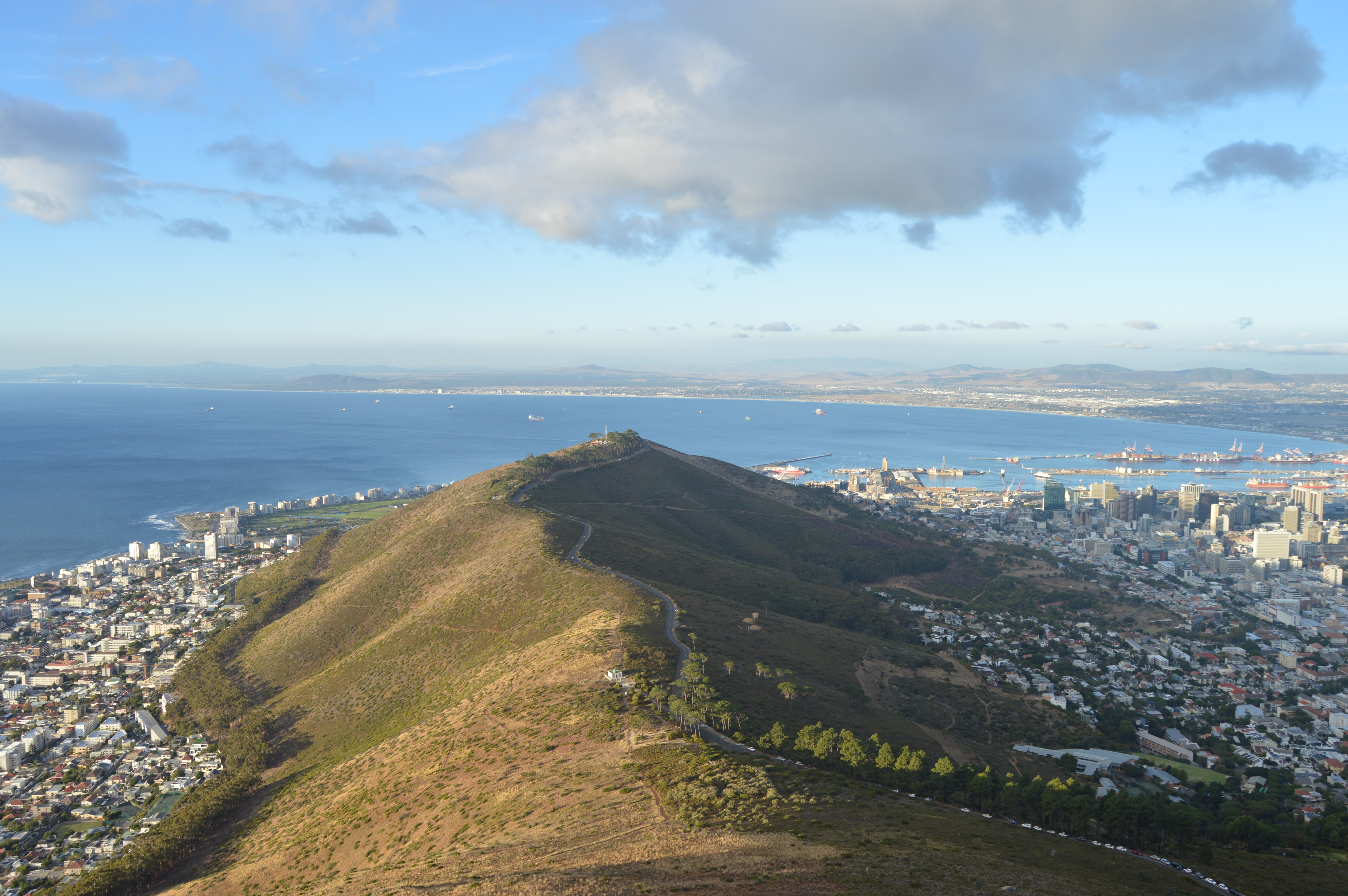
How safe is Clifton?
Photo courtesy of Warren Rohner, Wikimedia Commons, licensed under CC BY-SA 2.0 Atlantic Seaboard · Cape Town Is It Safe to Live in Clifton ,…
Read Article
Is Claremont Safe?
Cape Town Data · Safety Series Is Claremont Safe? A Data-Driven 2026 Guide Claremont is the commercial heart of Cape Town's southern suburbs, leafy on…
Read Article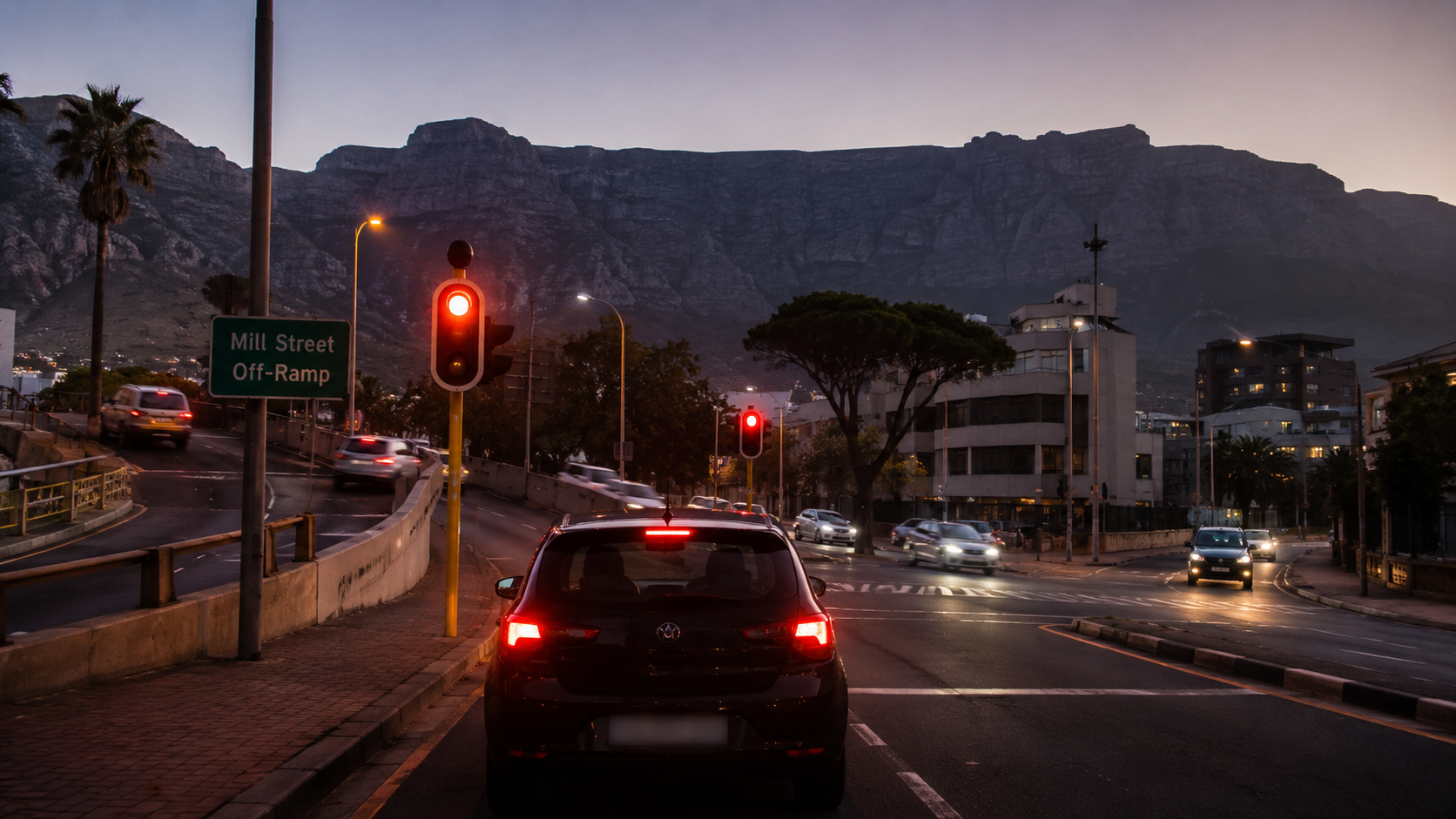
Crime Hotspot Cape Town: Garden Center Off ramp after dark
Cape Town crime hotspots · Gardens · capetowndata.com The Mill Street Off-Ramp at Gardens Centre: the Cape Town crime hotspot you should know about Pay…
Read Article
Is It Safe to Live in Constantia, Cape Town?
Photo courtesy of Zaian, Wikimedia Commons, licensed under CC BY-SA 3.0 Southern Suburbs · Cape Town Is It Safe to Live in Constantia , Cape…
Read Article
Is It Safe to Live in Walmer Estate, Cape Town? 2025–2026 Safety Guide
Photo courtesy of Axxter99, Wikimedia Commons, licensed under CC BY-SA 4.0 City Bowl · Woodstock & East · Cape Town Is It Safe to Live…
Read Article