What is Cape Town's Loadshedding about?
May 17, 2025

Cape Town • Practical Guide • Electricity & Outages
✅ National status: Not load-shedding (check live)Load-shedding in Cape Town (2026): what’s the situation and how to plan
Load-shedding can swing from “nothing for months” to “surprise stages” fast. This guide gives you the up-to-date basics, how Cape Town’s schedule works, and the practical moves locals use to keep life running (without turning your home into a diesel depot).
What this post does: (1) explains what “stages” really mean, (2) shows what the latest official outlooks say, (3) gives Cape Town-specific survival tips, and (4) lays out a simple backup-power ladder—from cheap to serious.
What’s the status right now?
At the time of this update (25 Jan 2026), Eskom’s official status page shows: “We are currently NOT LOAD SHEDDING.” That’s the big headline—but keep in mind: this status can change quickly during high demand, extreme weather, or unexpected breakdowns.
✅ Live national status
Always confirm the current stage on Eskom’s status page (it’s the fastest “single source of truth” for the national call).
📌 Latest published outlook (context)
Eskom’s Summer Outlook (1 Sep 2025 → 31 Mar 2026) forecast no load-shedding, supported by fleet performance improvements. Forecasts aren’t guarantees—but they’re useful context.
Reality check: even when national load-shedding is suspended, you can still get local outages (faults, maintenance, storms). If your power is off outside a scheduled slot, treat it as a fault and report it.
Stages explained
“Stages” are simply how much demand Eskom needs to cut from the grid to keep the system stable. Higher stage = more electricity shed = more (and/or more frequent) outages. Your actual time off depends on your local schedule and whether you’re City-supplied or Eskom-supplied.
| Stage | What it usually feels like | Practical impact |
|---|---|---|
| Stage 1–2 | Occasional planned cuts (often during peak hours). | Plan meals + charging; basic backup keeps you comfortable. |
| Stage 3–4 | More frequent cuts; routines get disrupted. | Wi-Fi + lights backup becomes “quality of life,” not luxury. |
| Stage 5–6 | Heavy disruption; traffic lights + security systems matter more. | Inverter/solar + good planning makes a big difference. |
| Stage 7–8 | Serious system stress; schedules can be tight and intense. | Business continuity mode: power planning becomes daily ops. |
Cape Town schedules: City vs Eskom areas
Cape Town is a mix of City-supplied and Eskom-supplied areas. That matters because you may need a different schedule table. The City also publishes guidance and an all-areas map.
🏙️ City of Cape Town schedule
The City’s page explains stages, how to check your area, and notes that outages generally last about 2.5 hours.
⚡ Eskom schedule (for Eskom-supplied zones)
If your area is Eskom-supplied, your slot list may differ—use the Eskom schedules tool and select your area name.
Can Cape Town “shield” customers?
The City has historically used its Steenbras Pumped Storage Plant and other interventions to protect City-supplied customers from one stage of load-shedding where feasible. It’s not a promise for every event—high stages and technical constraints can limit protection.
Daily life: restaurants, hotels, and planning your day
In Cape Town, most major hotels, malls, and many popular restaurants run some form of backup power (generator and/or inverter). That means dinner plans often survive—just expect occasional menu changes, slower service, or earlier kitchen cut-offs.
🍽️ Eating out
When load-shedding is active, aim for venues that mention backup power, and consider booking earlier during evening peak windows. Keep a small torch handy—parking areas can get dark.
🏡 Working from home
The “essentials stack” is: router/ONT backup + one light + laptop power bank. If you take lots of video calls, add a small inverter/UPS.
💳 Cash & fuel
ATMs and petrol pumps can be affected. Keep some cash and don’t run your tank to fumes right before peak periods.
Traffic robots & safety
When the robots go out, intersections can turn chaotic fast. The safest rule is also the simplest: treat any non-functioning traffic light as a 4-way stop. Full stop, take turns, and be patient.
Quick road checklist: lights on (even daytime if visibility is poor), slow down, expect pedestrians to be less visible, and don’t assume the driver behind you knows the rules.
Backup power options
You don’t need to go full “off-grid bunker.” Most people build up in steps. Start cheap, solve the most annoying problems first (Wi-Fi + light), then scale if you need more comfort.
Step 1: No-brainer basics
- Rechargeable light (LED lantern) + a torch near the door/bed
- Power banks for phones
- Gas stove / camping stove (used safely + ventilated)
Step 2: Stay online
- Router/ONT mini-UPS (keeps internet up during a slot)
- Laptop power (charged laptop + USB-C power bank if compatible)
Step 3: Comfort upgrade
- Inverter + battery to run lights, Wi-Fi, TV, and some plugs
- Helps avoid “everything dies at once” syndrome
Step 4: The long game
- Solar + inverter + battery (power by day, battery at night)
- Great for resilience; biggest upfront cost
Pro tip: If you can only fix one thing, fix your internet + lights. It makes everything else feel manageable.
Solar + the bigger trend (quick stats)
One reason load-shedding intensity has been lower in 2025 than in 2024 is the combined effect of improved fleet performance and changing demand patterns—including more private/embedded generation and demand reduction.
Load-shedding energy shed (H1)
That’s roughly an 82% reduction in H1 load-shedding energy (CSIR summary). Source
Reliability trend snapshot
Eskom cited year-on-year EAF improvement and lower unplanned outages as part of ongoing stability messaging. Source
Quick tips (summary table)
| Quick tip | What to do |
|---|---|
| Check schedules | Confirm the current stage + your area schedule (City page or Eskom schedules tool). |
| Keep essentials running | Start with a router mini-UPS + lights. Add an inverter if you need more comfort or WFH reliability. |
| Eat out smart | Choose venues with backup power and consider earlier bookings during evening peak windows. |
| Drive safely | Dead robot = 4-way stop. Full stop, take turns, don’t rush the intersection. |
| Prep basics | Charge devices early; keep some cash; don’t leave fuel to the last minute. |
| If power stays off | If you’re off longer than your slot, treat it as a fault and report it (City outage guidance). |
Official links & sources
- Eskom live status & schedules: loadshedding.eskom.co.za
- City of Cape Town load-shedding page (stages, schedules, outage tips): capetown.gov.za/loadshedding
- Eskom Summer Outlook statement (Sep 2025 → Mar 2026 forecast): Eskom media statement
- Eskom performance update (Jan 2026, EAF snapshot): Eskom media statement
- CSIR H1 2025 power statistics summary (load-shedding down 82%): csir.co.za media room
- Road safety guidance: Arrive Alive — load-shedding & road safety
- Steenbras explainer (City PDF): resource.capetown.gov.za (PDF)
Bottom line: Even in “no load-shedding” periods, keep a small kit ready: lights, power bank, router backup. Then, if stages return, you’re not scrambling—you’re just mildly annoyed (the Cape Town way).
More in Energy & Utilities
You May Also Like
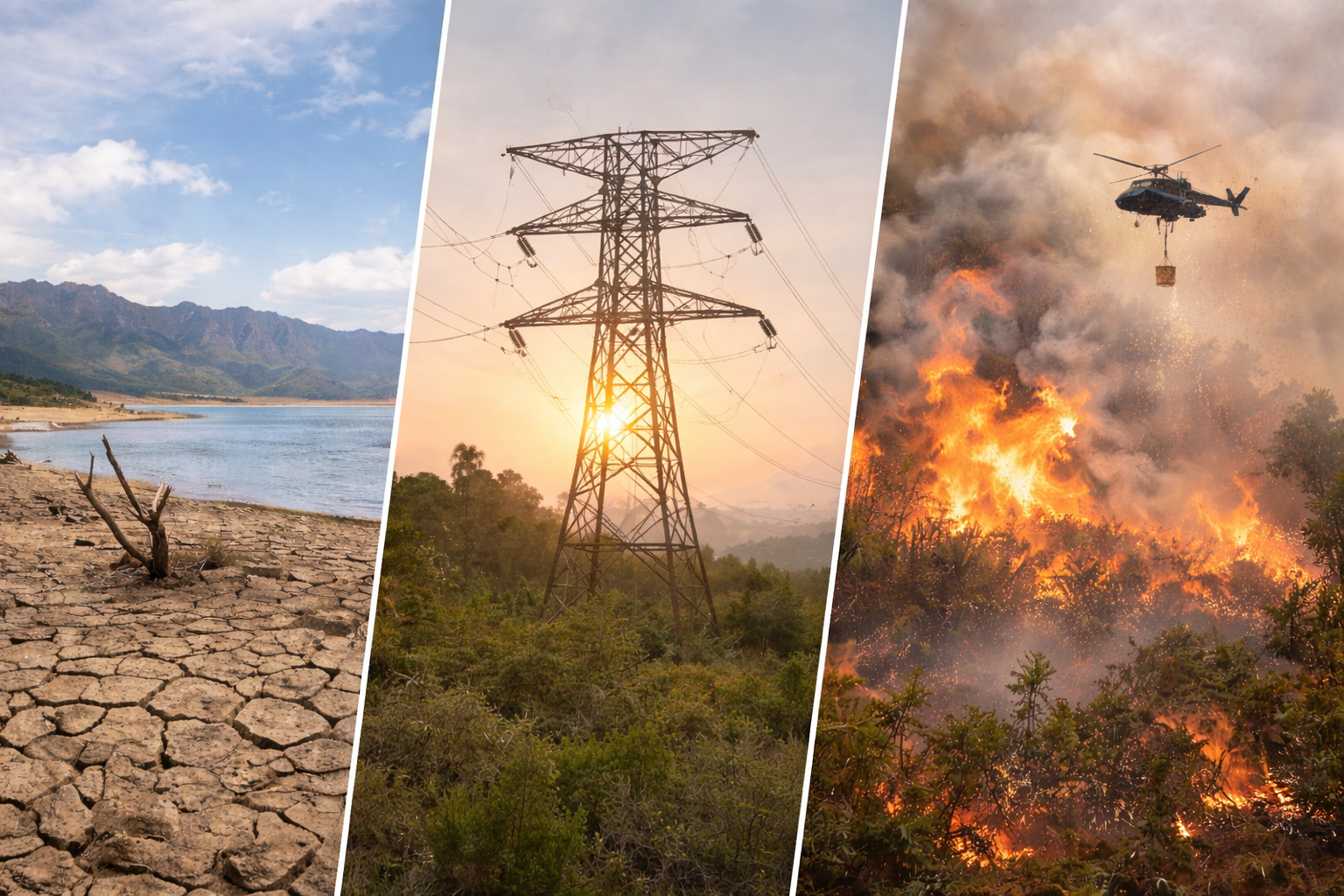
Cape Town Autumn Wrap 2026: loadshedding, fires and water supply
Photo from Wikimedia Commons. See Category:Theewaterskloof Dam for file page, author and licence. Autumn Data Wrap · April 2026 Cape Town Autumn 2026: Dams, Power…
Read Article
Cape Town Energy Update April 2026: Fuel Shock, No Loadshedding, and the New Solar Rules
Photo courtesy of Dietmar Rabich, Wikimedia Commons, licensed under CC BY-SA 4.0 Energy & Infrastructure · April 2026 Fuel Shock, No Loadshedding, and the New…
Read Article
Cape Town's Coffee Culture
Cape Town • Coffee & Culture Cape Town’s Coffee Guide It’s early morning in Cape Town. With thirty unclaimed minutes to spare and a craving…
Read Article
What is going on with South Africa's electricity?
Photo: Robosk, CC BY-SA 4.0, via Wikimedia Commons Updated February 2026 South Africa's Electricity: From Crisis to Recovery After years of crippling blackouts, South Africa…
Read Article
What Is Bobotie?
Photo courtesy of Olivier Lemoine Photographe professionnel vigne / vin, Beaune, Bourgogne via Wikimedia Commons, licensed under https://commons.wikimedia.org/wiki/File:Bobotie_South_Africa.jpg" CC BY-SA 4.0 Table of Contents Introduction:…
Read Article