Hout Bay, Cape Town: Crime, Community & Real Estate – A safety evaluation 2025
April 3, 2025


Hout Bay is a coastal valley 20km south of Cape Town that embodies striking contrasts: picturesque beaches and affluent neighborhoods side-by-side with expanding informal settlements like Imizamo Yethu and Hangberg. As of 2024–2025, the area faces rising crime rates and shifting real estate dynamics. This digest presents key insights for tourists, residents, and property investors.
Table of Contents
Our safety score: 7.0/10.0
Historical & Cultural Overview
Hout Bay (meaning “Wood Bay” in Dutch) has roots tracing back to the very start of the Cape Colony. In 1652, Jan van Riebeeck named the area for its dense forests, which provided vital timber for the Dutch settlement at Table Bay[EN.WIKIPEDIA.ORG]. By the late 17th century, farms like Kronendal emerged[EN.WIKIPEDIA.ORG]. During the late 18th century, the French built forts to protect the Cape; East Fort still overlooks Hout Bay today [EN.WIKIPEDIA.ORG].
For orientation: Photo courtesy of Wikimedia Commons, licensed under
CC BY-SA 4.0
Photo courtesy of Wikimedia Commons, licensed under
CC BY-SA 4.0

By the 19th century, German settler Jacob Trautmann launched the first fishing businesses (~1867). Fishing took off, and by the 1930s, factories and a lobster canning operation thrived along the shore[EN.WIKIPEDIA.ORG]. In 1984, Mariner’s Wharf opened, celebrating maritime heritage. Culturally, Hout Bay encompasses Hangberg—designated for Cape Coloured fishermen under apartheid[SAHISTORY.ORG.ZA]—and the informal settlement Imizamo Yethu (IY), established in the early 1990s to address housing shortages [EN.WIKIPEDIA.ORG]. The stark contrast between these enclaves and the affluent estates below has led many to label Hout Bay a microcosm of modern-day South Africa.
Tips for Tourists (When to Go, What to Do, Safety & Etiquette)
Photo courtesy of Wikimedia Commons, licensed under
CC BY-SA 4.0

Best Time to Visit:
- Summer (Nov–Mar): Warm, sunny, and bustling—arrive early to beat traffic, especially around Christmas[EN.WIKIPEDIA.ORG].
- Winter (Jun–Aug): Cooler and less crowded, with occasional clear days ideal for hiking. Surfers might chase the big swells at “Dungeons.”
Must-See Attractions:
- Chapman’s Peak Drive: One of the world’s most scenic coastal roads[EN.WIKIPEDIA.ORG].
- Seal-Watching Tours: Boats depart from the harbour to Duiker Island (home to many seals).
- World of Birds: Extensive walk-through aviaries boasting hundreds of bird species.
- Bay Harbour Market: A weekend fixture with live music, crafts, and food stalls.
Safety & Etiquette:
- Keep valuables secure; avoid isolated beaches or trails after dark.
- The Main Road traffic circle near the police station has been flagged as a mugging hotspot (2024)[SENTINELNEWS.CO.ZA].
- Greet people with “Hello” or “Howzit”; always ask permission before taking photos in IY.
- Tip ~10–15% in restaurants, and keep late-night noise minimal in residential areas.
Overview of Hout Bay’s Cuisine & Food Scene
 Photo courtesy of Wikimedia Commons, licensed under
CC BY-SA 4.0
Photo courtesy of Wikimedia Commons, licensed under
CC BY-SA 4.0

Being a working fishing harbour, Hout Bay excels in seafood. Mariner’s Wharf is famous for freshly caught fish and chips, while Fish on the Rocks offers more casual (yet delicious) fried hake. The Bay Harbour Market (weekends) serves an eclectic variety— from Cape Malay samosas to wood-fired pizzas. At the higher end, La Colombe on a nearby wine estate regularly appears in “best-of” lists for fine dining.
Snoek is a local specialty—often salted, dried, or smoked. The smoked snoek pâté (sometimes with apricots) is a must-try. Pair it with a glass of local wine or simply enjoy while gazing across the bay.
Residential Life in Hout Bay: Community, Daily Living & Infrastructure
Hout Bay’s neighborhoods range from informal settlements to upscale estates, creating a unique “town meets country” vibe. Many residents know each other through local markets, schools, or sporting events. Beach Estate, Scott Estate, and enclaves like Ruyteplaats feature modern infrastructure, whereas IY and parts of Hangberg struggle with overcrowding and service delivery[EN.WIKIPEDIA.ORG].
Traffic issues abound—there are only three main roads in and out, so accidents or protests can paralyze commutes. Public transport options are limited, and load-shedding occasionally disrupts business as usual. Still, the natural scenery and community spirit make many residents swear they wouldn’t live anywhere else.
Deep Dive: Crime & Safety (2024–2025)
Crime in Hout Bay has escalated over the past few years, mirroring socio-economic disparities. Affluent areas typically employ private security, while IY and Hangberg communities face gang activity and sporadic vigilantism.
Mass Shootings in Imizamo Yethu: Late 2023 through early 2024 saw multiple shootings, leaving several dead[IOL.CO.ZA]. Police resources are stretched, leading community leaders to call for further support.
Robberies & Petty Crime: Opportunistic theft is common if valuables are left visible. Even the busy traffic circle near the Hout Bay police station has been a mugging hotspot.
Protests & Unrest: Taxi strikes and housing protests can disrupt normal life, blocking roads and deterring visitors. Despite these problems, residents are mobilizing effectively (see next section).
Property & Real Estate Trends (2024–2025)
Despite (or perhaps because of) these challenges, Hout Bay’s property market has soared post-pandemic. House prices jumped from ~R4.32 million in 2021 to ~R7.01 million by late 2024[BIZCOMMUNITY.COM].
Why the Boom? Some locals upgrade within the bay, while newcomers from other parts of South Africa (and overseas) are drawn by the “coastal village” lifestyle. Secure estates with robust security remain popular. However, the rapid rise in prices contributes to growing inequality. Still, demand is projected to stay strong unless a major socio-economic shift occurs.
Effects on Tourism & Quality of Life
Tourism is integral to Hout Bay’s economy—Chapman’s Peak, Duiker Island boat tours, and weekend markets attract visitors year-round. High-profile crimes or protests sometimes deter tourists, though most still regard Hout Bay as a “must-see” Cape Town locale. Residents cherish the scenic environment and community closeness but grapple with crime worries, traffic frustrations, and rising living costs (due in part to the booming property market).
Community Resilience & Initiatives
If there’s a silver lining, it’s the community’s proactive response. The Hout Bay Neighborhood Watch (HBNW) and Community Crime Prevention (CCP) have collaborated on expanded CCTV coverage—over 1,400 cameras—and 24/7 patrols[CCPHOUTBAY.CO.ZA]. Local NGOs address social upliftment, while Ward 74 ambassadors mediate among Hangberg, IY, and formal suburbs. Events like the Bay Harbour Market and local carnivals foster unity.
In many ways, Hout Bay’s “Republic” nickname reflects its determined, do-it-yourself spirit—residents don't wait for external solutions but forge their own path to a safer, more inclusive community.
Summary Table: Advantages & Disadvantages
| Perspective | Advantages | Disadvantages |
|---|---|---|
| Tourists |
- Stunning natural landscapes (mountains, harbor). - Varied activities (beach, seal tours, markets). - Rich cultural & historical experiences in a fishing village. - Excellent seafood, wine, and dining options. |
- Petty crime risk (car break-ins, muggings). - Traffic congestion on peak days. - Some areas unadvisable after dark. - Protests or strikes may disrupt travel. |
| Residents |
- Tight-knit community & local engagement. - Scenic outdoor lifestyle (hiking, beach, etc.). - Self-contained suburb with schools, shops. - Rising property values benefit homeowners. |
- Crime & security costs (alarms, private patrols). - Pronounced socio-economic disparities. - Limited road access; traffic bottlenecks. - Infrastructure strain (water/power outages). |
Conclusion
Hout Bay straddles the line between idyllic seaside living and the broader realities of urban South Africa. While it boasts unparalleled scenery, a flourishing real estate market, and a tight-knit “Republic” spirit, challenges remain—crime, inequality, and infrastructural strain most prominent among them. Nonetheless, ongoing community-driven initiatives to enhance security and bridge socio-economic divides offer hope that Hout Bay will continue to thrive for both residents and visitors.
Sources
- Historical & tourism data: [EN.WIKIPEDIA.ORG], local archives
- Crime data: [THEPOST.CO.ZA], [IOL.CO.ZA], community bulletins, [SENTINELNEWS.CO.ZA]
- Real estate stats: [BIZCOMMUNITY.COM] (2024)
- Community initiatives: [CCPHOUTBAY.CO.ZA]
- Additional context: [SAHISTORY.ORG.ZA], [EN.WIKIPEDIA.ORG]
More in Neighborhood Safety Deep-Dives
- Is It Safe to Stay in Bloubergstrand, Cape Town? 2026 Safety Evaluation
- Is It Safe to Live in Walmer Estate, Cape Town? 2025–2026 Safety Guide
- Is Sea Point Safe for Tourists? A Data-Driven Analysis (2024–2026)
- Is It Safe to Live in Rondebosch, Cape Town?
- Is It Safe to Live in Oranjezicht, Cape Town?
- Cape Town Gangs: What Visitors Need to Know in 2026 | Safety Guide
You May Also Like
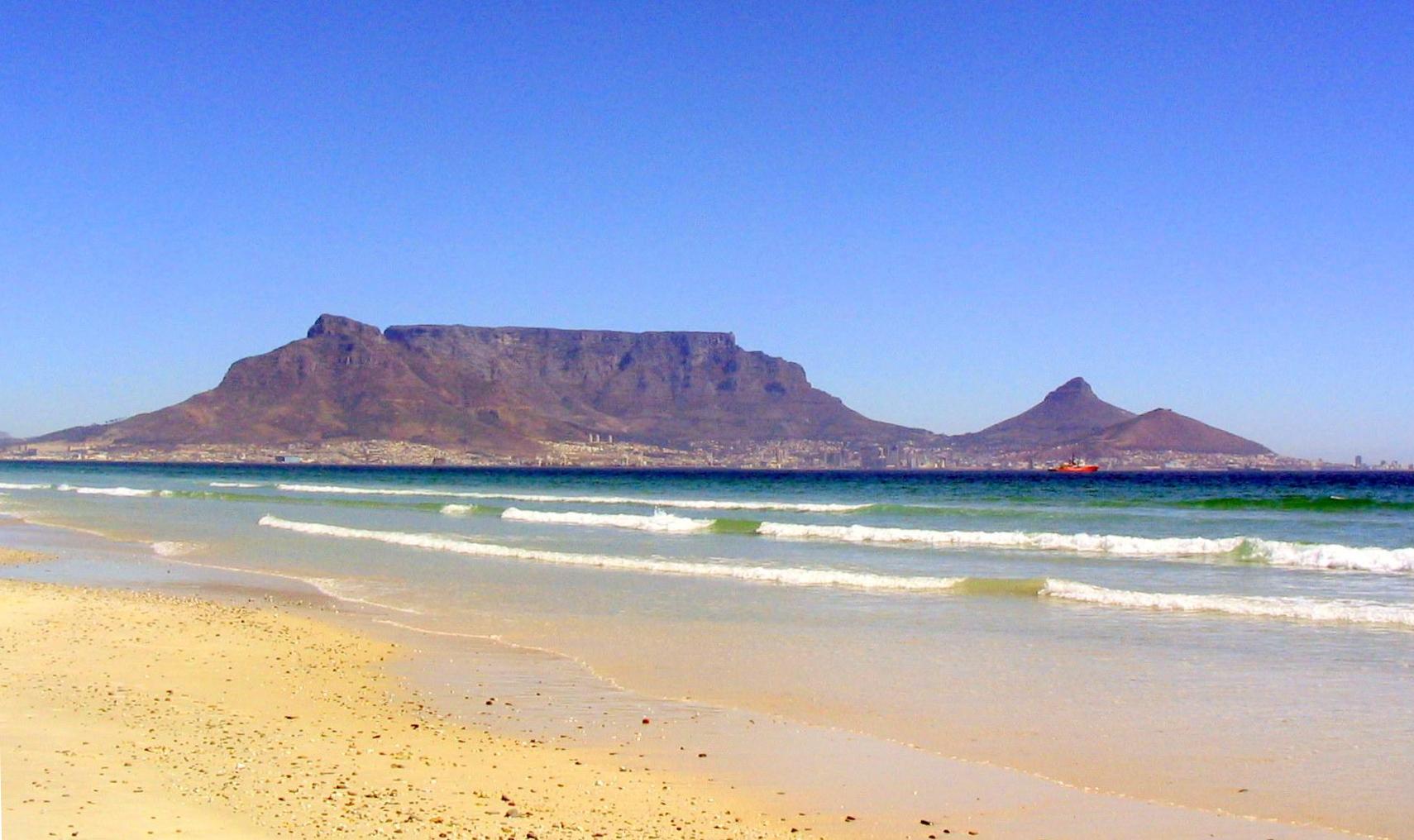
Is It Safe to Stay in Bloubergstrand, Cape Town? 2026 Safety Evaluation
Photo courtesy of Wikimedia Commons contributor, licensed under CC BY 3.0 Is It Safe to Stay in Bloubergstrand, Cape Town? | 2025–2026 Safety Guide Western…
Read Article
Is It Safe to Live in Walmer Estate, Cape Town? 2025–2026 Safety Guide
Photo courtesy of Axxter99, Wikimedia Commons, licensed under CC BY-SA 4.0 Is It Safe to Live in Walmer Estate, Cape Town? | 2025–2026 Safety Guide…
Read Article
Is Sea Point Safe for Tourists? A Data-Driven Analysis (2024–2026)
Is Sea Point Safe for Tourists? A Data-Driven Analysis (2025–2026) | Cape Town Data ◆ Data Analysis — February 2026 Is Sea Point Safe for…
Read Article
Is It Safe to Live in Rondebosch, Cape Town?
Photo courtesy of Zaian, Wikimedia Commons, licensed under CC BY-SA 3.0 Is It Safe to Live in Rondebosch, Cape Town? | 2025–2026 Safety Guide Southern…
Read Article
Is It Safe to Live in Oranjezicht, Cape Town?
Photo courtesy of Hansueli Krapf, Wikimedia Commons, licensed under CC BY-SA 3.0 Is It Safe to Live in Oranjezicht, Cape Town? | 2025–2026 Safety Guide…
Read Article