Is It Safe to Live in Oranjezicht, Cape Town?
February 9, 2026


Is It Safe to Live in Oranjezicht, Cape Town?
A leafy heritage suburb on Table Mountain's lower slopes, Oranjezicht scores well on safety with active neighbourhood watches and community security — but still falls under Cape Town Central's high-volume precinct. Here's what residents and newcomers actually need to know.
Oranjezicht at a Glance: A compact, upmarket residential suburb of approximately 3,500 residents nestled between Kloof Street and Table Mountain. Known for its Victorian heritage homes, tree-lined streets, and the globally recognised Oranjezicht City Farm Market. The OZCF Market relocated to a custom-built R20 billion V&A Waterfront precinct in December 2025, and property demand continues to climb as semigration fuels Cape Town's City Bowl market.
Table of Contents
Suburb Overview
Oranjezicht (Dutch for "orange view") sits on the north-facing lower slopes of Table Mountain, directly above Kloof Street and adjacent to Vredehoek — the two separated by Buitenkant Street. It is one of Cape Town's most established residential suburbs, falling within the broader City Bowl alongside Gardens, Tamboerskloof, and Higgovale. From its elevated position, residents enjoy sweeping panoramic views of Table Bay, the harbour, Lion's Head, and the distant Hottentots Holland Mountains.
The suburb has a distinctive village-within-the-city character. Streets are narrow and steep, lined with mature oaks and Victorian-era homes. A creative, professional demographic dominates — young couples, remote workers, small families, and retirees who value walkability, heritage architecture, and proximity to both mountain trails and the CBD.
Despite its quiet residential character, Oranjezicht falls under the Cape Town Central police precinct — the busiest in South Africa by volume. This statistical artefact is critical context for understanding crime numbers: the precinct covers the CBD, Foreshore, Woodstock, Zonnebloem, and District Six alongside Oranjezicht's leafy streets. Crime experienced by Oranjezicht residents is substantially lower than raw precinct-level data would suggest.
Immediate neighbours: To the west lies Tamboerskloof, a similarly charming Victorian suburb closer to Kloof Nek and the cableway, trending slightly more affordable with an active neighbourhood watch (TBK Watch) and a comparable safety profile. To the east, separated by Buitenkant Street, Vredehoek offers a more modern, apartment-driven lifestyle popular with young professionals and dual-income couples — quieter and flatter than Oranjezicht, with its own DPV Watch network. Directly below, Gardens is the City Bowl's commercial heart — more nightlife, more foot traffic, and slightly elevated petty-crime risk owing to Kloof Street's bar strip and the Gardens Centre retail node. Above Oranjezicht to the south, Higgovale is an exclusive, low-density enclave of large homes on the steepest mountain slopes, with excellent natural access control and very low crime.
Oranjezicht sits between Table Mountain's lower slopes and Kloof Street, at the heart of the City Bowl.
Highlights to Explore
🍷 OZCF Market at Granger Bay Must Visit
Cape Town's most celebrated farmers' market, born from the Oranjezicht City Farm in 2013. Now in a custom-built timber barn at the V&A Waterfront (relocated December 2025), with 100+ traders offering seasonal organic produce, artisan bread, natural wine, Korean street food, and Portuguese pastéis de nata. Saturdays and Sundays from 8am; Wednesday night market in summer from 4pm.
🍷 Kloof Street House
Housed in a restored Victorian villa on Kloof Street, this restaurant is an Oranjezicht institution — lush garden courtyard, inventive seasonal menus, and one of the best gin lists in the city. Perfect for a long Saturday lunch or sundowner cocktails. Book ahead for dinner.
🍷 Hemelhuijs
A much-loved brunch and lunch spot tucked into a heritage building on Waterkant Street, a short walk from Oranjezicht. Chef Jacques Erasmus focuses on seasonal, locally sourced dishes with Cape Malay and Mediterranean influences. The bobotie crêpe is legendary. Weekdays only.
🌿 De Waal Park Free Entry
Oranjezicht's green heart — a shaded Victorian park with mature oak trees, rolling lawns, a heritage bandstand, and a popular children's playground. Ideal for morning coffee on the grass, picnics, and dog walks. Free summer concerts at the bandstand are a neighbourhood tradition. Safe and busy during daylight hours.
🌿 Platteklip Gorge & Table Mountain Must Visit
The most direct hiking route to the top of Table Mountain starts a 10-minute drive from Oranjezicht via Kloof Nek. Platteklip Gorge is steep but rewarding — roughly 2 hours up, with chain ladders and extraordinary views. Alternatively, take the Aerial Cableway from the Kloof Nek roundabout. The Pipe Track above Camps Bay is a gentler option.
🛍️ Gardens Centre Family Friendly
The neighbourhood's go-to shopping hub — a 5-minute walk downhill. Anchored by a large Woolworths Food (the best quick grocery run in the City Bowl), with a pharmacy, bank, restaurants, and the Labia Theatre on Kloof Street just across the road. Not glamorous, but genuinely useful for daily life.
🛍️ Kloof Street Strip
Cape Town's most walkable high street runs along Oranjezicht's western boundary. Independent boutiques, vintage shops, design studios, and cafés line both sides. Notable stops include Melissa's (deli and food store), Dear Me (local fashion), and the string of galleries toward Kloof Nek. Best explored on foot on a Saturday morning.
🏛️ Oranjezicht City Farm Free Entry
A working 0.25-hectare certified organic urban farm at 87 Upper Orange Street, on the site of the original 1708 Laubscher farmhouse. Open Mon–Fri 8am–2pm, Sat 8am–12pm. Volunteer programmes, workshops, and educational tours for schools. Buy fresh seasonal vegetables, herbs, and eggs direct from the farm via WhatsApp ordering.
🏛️ Molteno Reservoir & Graaff Electric Lighting Works
Built in 1877, the Molteno Dam stored natural spring water from Table Mountain for the fledgling city. It remains operational today — a Victorian engineering marvel surrounded by residential streets. Adjacent, the Graaff Electric Lighting Works (1895) was Cape Town's first municipal power station. Both are visible on the Cape Town Heritage Tours walking route through Oranjezicht.
🏊 Lion's Head Sunset Hike Must Visit
The full-moon Lion's Head hike is a Cape Town rite of passage, and the trailhead is a short drive via Kloof Nek from Oranjezicht. A moderate 1.5-hour climb rewards you with 360° views of the city, Table Mountain, the Atlantic, and the harbour. Go for sunset or full moon — bring a headlamp and go with others.
🏊 Long Street Baths Family Friendly
A heritage heated public swimming pool on Long Street, a 10-minute walk downhill from Oranjezicht. Originally built in 1908 and beautifully maintained. The 25m indoor pool is open year-round — perfect for winter lengths when the ocean is too cold. Turkish baths and a steam room add a Victorian spa dimension.
Safety & Security (2025–2026)
Safety Rating Methodology
Oranjezicht receives a combined safety rating of 7.8 out of 10. This is a weighted average reflecting that residents spend the vast majority of their time in the quiet residential core, with less frequent exposure to the busier commercial margins. The breakdown below rates each sub-zone individually.
Residential Core 8.2 / 10
The interior streets of Oranjezicht — Rosmead Avenue, Montrose Avenue, Upper Orange Street, Belmont Avenue — are quiet, tree-lined, and well-monitored by neighbourhood watch patrols and CBAR (City Bowl Armed Response). Violent crime is rare. Primary risks are opportunistic property crimes: theft from vehicles left on streets (due to limited off-street parking in older buildings) and occasional housebreaking attempts, especially during winter when bad weather provides cover.
Kloof Street & Lower Fringe 6.8 / 10
The lower boundary along Kloof Street and Upper Buitenkant is Oranjezicht's liveliest edge — restaurants, nightlife, and foot traffic from Gardens and the CBD. This zone sees more opportunistic crime: phone snatching, pick-pocketing near late-night venues, and occasional common robbery. Most incidents occur after dark, especially on Friday and Saturday nights near liquor-serving premises. Street lighting is decent but not comprehensive on side streets.
Upper Slopes & Cul-de-sacs 8.8 / 10
The highest streets backing onto Table Mountain — Chesterfield Road, Alexandra Avenue, Berkley Road — are among the safest residential pockets in the entire City Bowl. Natural access control (steep terrain, dead-end streets), excellent visibility, and high-value properties with private security all contribute. Incidents here are exceedingly rare and almost always limited to opportunistic entry attempts caught by alarm systems.
De Waal Park & Molteno Area 7.5 / 10
De Waal Park is a beloved public green space, generally safe during daylight. The Molteno Reservoir area is quieter. After dark, De Waal Park should be avoided as with any unlit urban park. Occasional reports of trespassing and vagrancy in the park area, but violent incidents are uncommon.
Weighting methodology: The combined 7.8/10 score weights the residential core at 50%, upper slopes at 20%, lower Kloof Street fringe at 20%, and parks/Molteno at 10%. This reflects where residents actually spend their time. If you live on the upper slopes and avoid walking Kloof Street alone late at night, your effective safety experience is likely closer to 8.5/10.
Cross-check against Cape Town benchmarks: This 7.8/10 rating places Oranjezicht's residential core on par with Tamboerskloof (rated 8/10 in our guide, which has a similarly active neighbourhood watch and Victorian residential character). The score sits slightly below upper Constantia's gated estates and Bishopscourt (9–9.5/10, where private security and natural access control virtually eliminate street-level crime) and well above mixed-use areas like Observatory or lower Woodstock (6–6.5/10). The 0.2-point difference from Tamboerskloof reflects Oranjezicht's slightly greater exposure to spillover from the Cape Town Central precinct's commercial zones via its Kloof Street and Buitenkant Street boundaries. Compared to Cape Flats hotspots — Nyanga (under 2/10), Khayelitsha, Mitchells Plain — Oranjezicht is in an entirely different category; violent crime rates here are a fraction of those areas. A reader who has seen our Tamboerskloof guide should find this rating intuitively consistent.
Crime Statistics: Cape Town Central Precinct Context
Oranjezicht falls under the Cape Town Central SAPS precinct (station on Buitenkant Street), which consistently tops national crime charts for community-reported offences. In Q3 2023/24, the precinct recorded 3,332 community-reported serious crimes — up from 3,079 in the prior period. Cape Town Central ranks first nationally for common robbery (468 cases that quarter) and first for drug-related crime (1,487 cases).
However, this precinct covers the entire CBD, Foreshore, Woodstock, Zonnebloem, and District Six. The station commander, Brigadier Gerda van Niekerk, has explained that the high volumes stem from the CBD's daily influx of hundreds of thousands of commuters, tourists, and shoppers — not from the residential suburbs. Cell phone snatching near transport hubs and theft from vehicles parked on CBD streets are the primary drivers. By the second half of 2024, crime in the precinct showed a decreasing trend through June, July, and August.
The CCID (Central City Improvement District) reports its own statistics within its 1.6km footprint of the CBD, and these show decreases in both robbery and theft from motor vehicles within the patrolled zone. Oranjezicht benefits from similar community-driven security — its neighbourhood watch programmes effectively create a parallel safety layer.
Crime Categories in Context
Property crime dominates. Within Oranjezicht specifically, crime is overwhelmingly property-related: housebreaking, theft from motor vehicles, and petty theft. According to the City Bowl Armed Response (CBAR) weekly reports for 2025, the most frequently logged incidents in the broader City Bowl were theft from motor vehicles, housebreak-ins, common theft, and malicious damage to property. Weeks with zero reported incidents in Oranjezicht's patrol zone are common.
Violent crime is rare in Oranjezicht's residential streets. The precinct's violent crime statistics (murder, attempted murder, assault GBH) are overwhelmingly concentrated in the CBD, transport hubs, and areas around liquor outlets — not in the residential slopes. An assault GBH on Barnett Street, Gardens in September 2025 was notable precisely because such incidents are uncommon in the broader City Bowl residential zone.
Provincial context (Q2 2025/26): The Western Cape recorded a 9.1% increase in murders province-wide compared to Q2 2024/25, driven primarily by gang violence on the Cape Flats. However, combined LEAP deployment areas (Delft, Gugulethu, Khayelitsha, Mitchell's Plain, Nyanga, Philippi East) saw a 9.4% reduction. Nationally, serious crimes fell 4.9%, trio crimes dropped 15.5%, and property-related crimes decreased 10.2%. The overall trajectory is improving, but violent crime in the Western Cape remains a concern.
Recent Incidents Timeline (City Bowl / Oranjezicht Zone)
Based on CBAR weekly reports and local news for the Oranjezicht and immediate City Bowl area in 2025:
Community Safety Infrastructure
Oranjezicht benefits from one of the most active community security ecosystems in Cape Town:
SAPS & CPF
Cape Town Central SAPS — Buitenkant Street. Control room: 021 467 8001/6. The Community Police Forum (CPF) meets the first Thursday of every month at the Akker Hall at the station. The meeting is open to residents and provides direct feedback from Brigadier Van Niekerk.
Neighbourhood Watches
OH Watch (Oranjezicht/Higgovale Watch) — active neighbourhood watch with WhatsApp groups, regular patrols, and radio communication linked to CBAR. DPV Watch (Devil's Peak/Vredehoek Watch) and TBK Watch (Tamboerskloof Watch) cover adjacent areas and coordinate with OH Watch.
Armed Response
City Bowl Armed Response (CBAR) has operated for 28 years in the City Bowl. OH Watch and DPV Watch share radio frequencies with CBAR's control centre, enabling rapid coordination on incidents. Other providers include ADT, Fidelity ADT, and Chubb.
CCID & LPR
The Central City Improvement District (CCID) footprint covers three of the six sectors under Cape Town Central, providing additional CCTV monitoring, security patrols, and urban management. LPR (licence plate recognition) cameras are operational on key access routes into the City Bowl.
Safety Tips for Oranjezicht Residents
1. Join your neighbourhood watch. OH Watch (Oranjezicht/Higgovale) runs WhatsApp alert groups — join via any neighbour or your estate agent. This is the single most effective safety step you can take.
2. Secure your vehicle. Never leave valuables visible in your car, even at home. Theft from motor vehicles is the most common crime category. Use off-street parking where possible.
3. Lock up properly. Check sensors and alarms seasonally — SAPS warns that winter's storms and wind provide cover for break-in attempts. Ensure burglar bars, gates, and alarm systems are maintained.
4. Be alert on Kloof Street after dark. If walking home late, stay on the main road, avoid earphones, and keep your phone out of sight. Use Uber or Bolt for short trips after 10pm.
5. Avoid De Waal Park after dark. Enjoy it during daylight, but don't use it as a shortcut at night.
6. Report everything. Contact SAPS on 021 467 8001 or Crime Stop on 08600 10111. Also report to your neighbourhood watch — even minor incidents help establish patterns.
7. Emergency contacts: SAPS Cape Town Central: 021 467 8001 · Crime Stop: 08600 10111 · CCID 24hr: 082 415 7127 · DPVwatch: contact@dpvwatch.co.za
Daily Life & Attractions
Living in Oranjezicht means balancing a village-like residential calm with immediate access to one of South Africa's most vibrant food, culture, and outdoor scenes. Here are the highlights.
Shopping & Dining Walkable
Kloof Street is your high street — boutique restaurants (Kloof Street House, Chef's Warehouse, Hemelhuijs), artisan coffee roasters, independent bookshops, and the Labia Theatre. Gardens Centre (with Woolworths Food) is a 5-minute walk. The famous OZCF Market at Granger Bay runs Saturdays, Sundays, and Wednesday evenings in summer.
Education & Health
St. Cyprian's School (private girls' school, G20 member) is in Oranjezicht itself. Jan van Riebeeck High, SACS, and Rustenburg Girls' are minutes away. Cape Town Mediclinic and Groote Schuur Hospital provide medical cover. UCT's Hiddingh campus borders the suburb.
Parks & Nature
De Waal Park is the neighbourhood green — shaded lawns, old oaks, a Victorian bandstand, and a playground. The Oranjezicht City Farm (87 Upper Orange Street) is a working urban organic farm open weekdays. Table Mountain's Platteklip Gorge trail is a 10-minute drive; Lion's Head is accessible via Kloof Nek. Molteno Reservoir offers a scenic walking circuit.
Culture & Community
The suburb is home to a creative community — galleries, boutique guesthouses, and heritage walking tours. Cape Town Heritage Tours runs a dedicated Oranjezicht walking route covering Homestead Park, the City Farm, the Stadsfontein remains, and the Molteno Reservoir. The Company's Garden, SA National Gallery, and District Six Museum are all within walking distance.
Local Tips & Don't Miss
Key landmarks: De Waal Park, Oranjezicht City Farm, Molteno Reservoir, and the Kloof Street strip.
Don't miss: The Oranjezicht City Farm (87 Upper Orange St) — a working 0.25-hectare organic farm open Mon–Fri 8am–2pm, Sat 8am–12pm. The associated OZCF Market at its new V&A Waterfront location runs Sat 8am–2:30pm, Sun 8:30am–2:30pm, and Wed evenings 4pm–9:30pm in summer. Ranked among the world's top 10 farmers' markets by National Geographic. Over 100 traders offering seasonal produce, artisan bread, natural wine, Korean street food, Portuguese custard tarts, and handmade crafts.
Historical & Cultural Overview
The story of Oranjezicht begins in 1708, when Nicolaus Laubscher — a Swiss immigrant from the Canton of Fribourg who had arrived at the Cape in the 1670s — purchased farmland on the slopes of Table Mountain. He named it "Oranjezicht" for its commanding view of the Oranje (Orange) bastion of the Castle of Good Hope. After his death in 1721, the farm passed to Pieter van Breda, a Dutch settler who arrived in 1719. The Van Breda family held the land for seven generations, operating it as a productive farm supplying the city and passing ships with fresh fruit and vegetables for over two centuries.
In the 1940s, the farm was sold to the City of Cape Town. Tragically, the historic farmhouse was demolished in 1957 — despite community proposals to convert it into a museum — to make way for a bowling green. Some original farm buildings and the old slave bell survive and can still be seen in what is now Homestead Park. The Molteno Dam, built in 1877 to store natural spring water from Table Mountain, remains operational today — a remarkable piece of Victorian water infrastructure now surrounded by residential streets. Adjacent to it, the Graaff Electric Lighting Works (commissioned 1895) was Cape Town's first municipal power station and only the second in South Africa.
The modern renaissance came in 2012 when Sheryl Ozinsky and Caz Friedmann founded the Oranjezicht City Farm on the site of the original farmhouse, transforming underutilised municipal land into a 0.25-hectare organic urban farm. The associated farmers' market launched in 2013 and relocated to Granger Bay at the V&A Waterfront in 2015, where it has grown into a cultural institution supporting over 100 traders and 3,500 livelihoods.
Key Milestones:
1708 — Nicolaus Laubscher purchases the farm, names it "Oranjezicht"
1719 — Pieter van Breda acquires the property; Van Breda family farms for 7 generations
1877 — Molteno Dam built, Cape Town's first mountain-spring reservoir
1895 — Graaff Electric Lighting Works commissioned, Cape Town's first power plant
1940s — Farm sold to City of Cape Town
1957 — Historic farmhouse demolished for bowling green
2006 — Major Table Mountain fire threatens Oranjezicht, Tamboerskloof, and Vredehoek
2012 — Oranjezicht City Farm founded on original farmhouse site
2013 — OZCF Market launches
Dec 2025 — Market relocates to custom-built space at V&A Granger Bay
Property Market (2025–2026)
Cape Town's residential market grew approximately 8% in 2025 — roughly double the national average — driven by semigration from other provinces, persistent geographic scarcity (mountain and ocean constrain supply), and recent interest rate cuts. The repo rate sits around 7.5% (down from highs above 8%), with analysts expecting further easing through 2026 if inflation remains contained. Oranjezicht, with its heritage character and walkable City Bowl location, is firmly positioned in the premium tier.
Key trend: Young professionals in Cape Town pay R11,000–R18,000/month for 1-bedroom apartments in City Bowl suburbs like Oranjezicht and Gardens. Furnished rentals are unusually common here due to steady demand from short-term professionals, digital nomads, and relocating semigrants. Rental yields remain attractive relative to the Atlantic Seaboard.
Rental Snapshot
1-Bedroom Rentals
R13,500–R24,000/month depending on size, finishes, and views. Furnished units at the higher end. Average for a 60 m² unfurnished apartment is around R15,000–R16,000. Rental yield: estimated 4.5–5.5% gross.
2-Bedroom Rentals
R20,000–R42,000/month — wide range reflecting the mix of older unrenovated apartments (lower end) and fully furnished designer townhouses (upper end). Premium furnished 2-beds with mountain views command R35,000+.
The new-build pipeline is limited by heritage restrictions and terrain. "The Hof" — a boutique 7-unit development on Vriende Street — launched units from R4.99M (no transfer duty), with two already sold. Meribel, a 4-unit luxury block on La Montagne Road, lists 2-bed apartments from R11.85M to R14.2M. Scarcity of developable land ensures strong capital growth for existing stock.
Comparisons with Neighbouring Suburbs
Oranjezicht vs Gardens
Gardens is more commercial and youthful — home to Kloof Street's nightlife strip, Gardens Centre, and more apartment blocks. It's slightly more affordable on rentals but sees more petty crime due to higher foot traffic and nightlife. Oranjezicht is quieter, more residential, and commands a premium for its elevation, views, and heritage character.
Oranjezicht vs Vredehoek
Vredehoek (separated by Buitenkant Street) is a modern, laid-back residential suburb popular with DINKs and young professionals. It trends slightly more affordable with newer apartment stock. Oranjezicht has more heritage character, larger houses, and better mountain access. Safety profiles are comparable; both benefit from the DPV Watch and OH Watch networks.
Oranjezicht vs Tamboerskloof
Tamboerskloof is Oranjezicht's western neighbour, closer to Kloof Nek and the cableway. It has a similar village feel with narrower streets and smaller Victorian properties. Tamboerskloof trends slightly more affordable for equivalent sizes. TBK Watch provides comparable security coverage. Both suburbs share the Kloof Street strip as their commercial lifeline.
The Bottom Line
Oranjezicht offers the best combination of heritage character, mountain proximity, and village atmosphere within the City Bowl. It's a premium over Gardens and Tamboerskloof for good reason — the elevation, views, and residential tranquillity are hard to replicate. For pure safety, the upper slopes of Oranjezicht rival Camps Bay and Clifton at a fraction of the price.
Pros & Cons
✓ Pros
- Location: Heart of the City Bowl — 10 minutes to the cableway, Camps Bay, and the CBD. Walk to Kloof Street dining, Gardens Centre shopping, and multiple hiking trailheads.
- Safety: One of the City Bowl's safest residential pockets, with active OH Watch patrols, CBAR armed response, and excellent natural access control on upper slopes.
- Heritage character: Victorian and Edwardian homes, mature oak-lined streets, and the working Oranjezicht City Farm give the suburb an authenticity that newer developments can't match.
- Views: Panoramic views of Table Bay, the harbour, Lion's Head, and the Hottentots Holland Mountains from elevated positions — the "Oranjezicht" view that gave the suburb its name.
- Community: Tight-knit, involved residents; active WhatsApp groups; regular CPF meetings; the OZCF Market fosters a strong local identity.
- Capital growth: Geographic scarcity + heritage restrictions + semigration demand = consistent property value appreciation.
✗ Cons
- Parking: Limited off-street parking in many older buildings and on steep, narrow streets. Theft from motor vehicles is the most common crime — directly linked to street parking.
- Steep terrain: The very hills that provide views and security also make walking difficult for those with mobility issues. Some streets have no pavements.
- Precinct statistics: Falling under Cape Town Central SAPS inflates the crime numbers associated with Oranjezicht on paper, which can alarm newcomers before they understand the context.
- Premium pricing: Property is expensive relative to outer suburbs. Entry-level 1-bed apartments start around R1.8M; rental at R13,500+/month is above the city median.
- Limited new stock: Heritage restrictions and terrain mean very few new developments. Demand outstrips supply, making it hard to find available properties.
- Wind: Table Mountain's slopes can channel strong south-easter winds in summer. Some exposed positions are noticeably windier than Sea Point or the CBD.
Future Developments & Outlook
While Oranjezicht itself has limited scope for new development, several nearby projects will significantly impact the suburb's amenity value and property market.
V&A Waterfront Granger Bay Expansion R20 Billion+
The V&A Waterfront's massive Granger Bay redevelopment — a 15–20 year phased project — will add residential, tourism, and commercial space adjacent to the new OZCF Market location. Phase 2 begins with demolition of the old market site and parking structure, with construction expected through 2028/29. This will cement the City Bowl's position as Cape Town's premium urban precinct.
OZCF Market New Home Completed Dec 2025
The market's custom-built timber barn at Dock Road and Granger Bay Boulevard opened 6 December 2025 — permanent structures, running water, extraction fans, wheelchair-accessible elevated bridge to Victoria Wharf. This secures the market's future as a world-class food destination and Oranjezicht's most famous cultural export.
The Hof — Boutique Residences Selling Now
A new 7-unit boutique apartment development on Vriende Street, Oranjezicht. Units from R4.99M including VAT, no transfer duty. Two already sold. A rare opportunity in a suburb with almost zero new supply. Blending heritage design with contemporary finishes.
V&A Luxury Wing Expansion Q2 2026
The Waterfront is expanding its luxury retail wing with Louis Vuitton, Gucci, and Versace anchoring the new space. Some stores open for the festive season 2025, with full completion expected by Q2 2026. This reinforces the City Bowl–Waterfront corridor as South Africa's premier luxury precinct.
Market outlook: Analysts expect Cape Town property prices to grow 6–9% through 2026, with City Bowl suburbs like Oranjezicht likely at the higher end due to scarcity and lifestyle appeal. Interest rate cuts improve affordability at the margin, but the primary driver remains semigration and geographic constraint. Risks include affordability fatigue and national economic underperformance.
Latest News
Conclusion & Recommendations
Oranjezicht is one of Cape Town's most desirable residential suburbs — offering heritage character, mountain proximity, and genuine community in a walkable urban setting. Its safety profile is strong for the City Bowl, with active neighbourhood watches and the residential core largely insulated from the CBD's higher crime volumes. The premium pricing reflects real scarcity and quality of life.
For Visitors: Oranjezicht is an excellent base for a Cape Town stay. Boutique guesthouses abound, Kloof Street's dining scene is on your doorstep, and you're minutes from Table Mountain, the Waterfront, and Camps Bay. Exercise normal urban caution — secure valuables, avoid unlit parks at night, and use ride-hailing apps after dark.
For Residents & Expats: Join OH Watch immediately. Get armed response (CBAR is the local favourite). The community is welcoming to newcomers — the CPF meetings and OZCF Market are natural entry points. Street parking is the main headache; budget for a property with off-street parking if possible.
For Property Seekers: Stock is scarce and moves fast. Apartments under R3M sell quickly; heritage houses rarely come to market. Engage a specialist City Bowl agent (Seeff Atlantic Seaboard, Pam Golding, Quay 1 International are active locally). Rental yields are solid, and capital growth is supported by structural scarcity. The V&A Granger Bay development will only enhance the precinct's amenity value over the coming decade.
Quick-Glance Summary
Explore Oranjezicht
Cape Town highlights including Table Mountain, the City Bowl, and the V&A Waterfront — Oranjezicht sits on the slopes at the heart of this precinct.
Sources & References
- Crime statistics: SAPS Quarterly Crime Statistics (Q3 2023/24, Q2 2025/26) via saps.gov.za, CrimeHub.org, CrimeStatsSA.com
- Local security reports: City Bowl Armed Response (CBAR) Weekly Crime Stats 2025 via citybowlsecurity.co.za
- Neighbourhood watches: DPVwatch.co.za, TBKWatch.com
- Property data: Property24.com, PrivateProperty.co.za, The Africanvestor, Lightstone, Pam Golding, TPN Residential Rental Monitor Q3 2025
- History: Wikipedia — Oranjezicht, SA History Online
- Developments: News24, Moneyweb, Time Out Cape Town, OZCF.co.za
- Western Cape crime context: Western Cape Government media releases (Dec 2025), BusinessTech, CapeTowner, Africa Check
More in Neighborhood Safety Deep-Dives
- Is It Safe to Stay in Bloubergstrand, Cape Town? 2026 Safety Evaluation
- Is It Safe to Live in Walmer Estate, Cape Town? 2025–2026 Safety Guide
- Is Sea Point Safe for Tourists? A Data-Driven Analysis (2024–2026)
- Is It Safe to Live in Rondebosch, Cape Town?
- Cape Town Gangs: What Visitors Need to Know in 2026 | Safety Guide
- Hout Bay, Cape Town: A Safety FAQ (Frequently Asked Questions) 2026 Update
You May Also Like
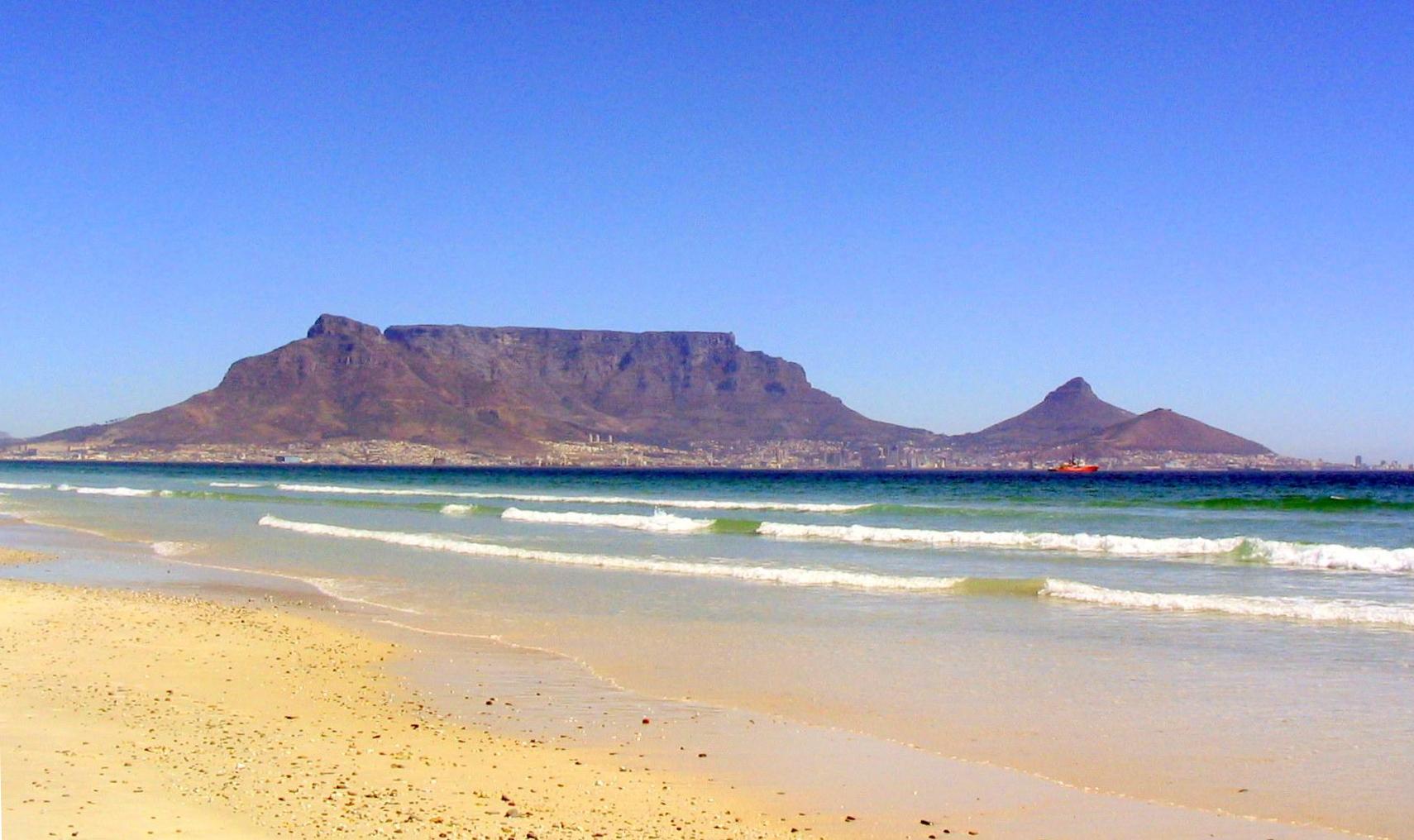
Is It Safe to Stay in Bloubergstrand, Cape Town? 2026 Safety Evaluation
Photo courtesy of Wikimedia Commons contributor, licensed under CC BY 3.0 Is It Safe to Stay in Bloubergstrand, Cape Town? | 2025–2026 Safety Guide Western…
Read Article
Is It Safe to Live in Walmer Estate, Cape Town? 2025–2026 Safety Guide
Photo courtesy of Axxter99, Wikimedia Commons, licensed under CC BY-SA 4.0 Is It Safe to Live in Walmer Estate, Cape Town? | 2025–2026 Safety Guide…
Read Article
Is Sea Point Safe for Tourists? A Data-Driven Analysis (2024–2026)
Is Sea Point Safe for Tourists? A Data-Driven Analysis (2025–2026) | Cape Town Data ◆ Data Analysis — February 2026 Is Sea Point Safe for…
Read Article
Is It Safe to Live in Rondebosch, Cape Town?
Photo courtesy of Zaian, Wikimedia Commons, licensed under CC BY-SA 3.0 Is It Safe to Live in Rondebosch, Cape Town? | 2025–2026 Safety Guide Southern…
Read Article
Cape Town Gangs: What Visitors Need to Know in 2026 | Safety Guide
Cape Town Gangs: What Visitors Should Know in 2026 | Safety Guide Discott, CC BY-SA 4.0, via Wikimedia Commons: A large gang tag claiming control…
Read Article