How safe are Durbanville and Belleville, Western Cape?
June 18, 2025


Is It Safe to Live in Bellville & Durbanville, Cape Town?
A comprehensive 2025–2026 guide covering crime statistics, the R8 billion Cape Winelands Airport, the new Groot Phesantekraal View mall, Bellville’s “Future City” transformation, property market analysis, and practical advice for residents, investors, and visitors.
At a Glance: Bellville (pop. ~112,500) and Durbanville (pop. ~54,300) are neighbouring towns in Cape Town’s Northern Suburbs. Bellville is a busy urban hub—railway junction, hospitals, universities—now positioning itself as Cape Town’s “second CBD.” Durbanville is leafier and more affluent, ringed by historic wine farms and fast-growing gated estates. Both offer strong schools, family-friendly living, and relatively low crime by Cape Town standards. Major 2025–2026 developments—the R1 billion Groot Phesantekraal View mall, the R8 billion Cape Winelands Airport, a new STADIO university campus, and the Bellville Future City masterplan—are reshaping both towns’ futures.
Suburb Overview
Bellville and Durbanville occupy a strategic corridor in Cape Town’s Northern Suburbs, connected by the N1 highway and R300 freeway. Bellville sits at the foot of the Tygerberg Hills as Cape Town’s busiest transport interchange— handling 350,000 daily trips—while Durbanville lies about 28 km northeast on rolling vineyards and farmland. Both were once independent municipalities but are now part of the City of Cape Town metro.
Bellville mixes residential, commercial and light-industrial zones: its face-brick buildings house government departments, corporate headquarters (Sanlam, Pepkor, Foschini Group), and three major universities (UWC, CPUT, Stellenbosch Tygerberg). Tygerberg Hospital—Africa’s second-busiest—anchors its eastern edge. Durbanville is more suburban-rural: historically the farming village of “Pampoenkraal,” it has evolved into one of Cape Town’s most desirable family suburbs, with wine estates, equestrian centres, and a growing number of gated communities.
Location Maps
Durbanville and surrounding wine country
Bellville and the greater Tygerberg area
Safety & Security (2025–2026)
Safety Rating: 7 / 10. By Cape Town standards, Bellville and Durbanville sit above average—far from the city’s high-crime hotspots, yet not as tranquil as smaller precincts like Camps Bay or Melkbosstrand. Most residential streets feel secure during the day and early evening. The combined score reflects a significant gap between the two sub-areas:
Durbanville Estates — 8.5 / 10
Gated communities, active neighbourhood watches, and consistently ranked among Cape Town’s top-10 safest suburbs. Lower crime stats than most Cape Town areas. Strong CPF structures and visible private security patrols.
Durbanville General — 8 / 10
Residential areas outside gated estates remain very safe. Note that Fisantekraal crime statistics fold into the Durbanville SAPS precinct, inflating headline numbers slightly beyond what residents in central Durbanville actually experience.
Bellville Residential — 7 / 10
Decent for the South African context. Secure complexes, VRCID patrols, and improving property-crime trends. Residential burglaries fell ∼12% year-on-year in recent SAPS data. Standard urban precautions advised, particularly after dark.
Bellville CBD & Transit Hub — 6 / 10
A busy commercial and transport node generating higher crime volumes. Bellville precinct ranked in the national Top 30 for common robbery (15th), property crime (26th), commercial crime (16th), and “other serious crime” (19th) in Q1 2024/25 SAPS data. Drug-related crime surged from 100 to 265 counts year-on-year. Heightened vigilance needed around the station and CBD after hours.
Why 7 / 10 and Not Higher?
While Durbanville alone would warrant an 8–8.5, the combined score must account for Bellville’s precinct-level crime volumes. Bellville SAPS recorded 1,191 community-reported serious crimes in a single quarter (Q1 2024/25)—including 122 residential burglaries, 205 thefts from vehicles, and 70 common robberies. These numbers place it among the more active suburban precincts in the Western Cape. A score of 7 is still firmly “above average” for Cape Town (where precincts like Nyanga or Khayelitsha record 10× the violent-crime volume), but it honestly reflects that Bellville’s CBD is not equivalent to a quiet residential estate. The positive national Q4 2024/25 trends—murder down 12.4%, aggravated robbery down 10.4%—may improve this score in future updates.
Provincial Context
The Western Cape recorded a 9.1% increase in murders in Q2 2025 vs Q2 2024, even as national murder rates decreased by 11.5%. However, Law Enforcement Advancement Plan (LEAP) deployment areas saw a 9.4% reduction, demonstrating targeted policing works. Bellville and Durbanville are not LEAP areas—their crime levels remain comparatively low.
Recent Incidents (2025–2026)
Community Safety Structures
VRCID & Neighbourhood Watch
ActivePolice & Private Security
Multiple StationsSafety Tips for Residents
- Join local WhatsApp groups: Neighbourhood watches share real-time alerts and coordinate patrols
- Avoid walking alone after dark around Bellville Station, taxi ranks, and poorly lit areas
- Secure your property: Burglar bars, alarm systems, and motion-sensor lighting are standard in the area
- Keep valuables hidden in vehicles; opportunistic car break-ins are the most common petty crime
- Report suspicious activity: Crime Stop 08600 10111 or VRCID 24-hour line 072 792 7168
Daily Life & Attractions
Life in these suburbs blends comfortable family routines with access to nature, shopping, and wine country. Bellville is the urban anchor—energetic and well-served—while Durbanville offers a quieter, village-like pace.
Bellville Highlights
Shopping & Dining
Education & Health
Parks & Nature
Corporate Hub
Durbanville Highlights
Durbanville Wine Valley
Groot Phesantekraal View
Opened July 2025Family Lifestyle
Connectivity
Historical & Cultural Overview
Bellville began as “Twaalf Mylpas” (Twelve Mile Stone), a wagon rest stop 20 km from Cape Town. A railway station arrived in 1862, and in 1861 the town was renamed after Surveyor-General Charles Bell. Over the 20th century, it became an education and health hub: the University of the Western Cape was founded in the 1960s, Tygerberg Hospital opened nearby, and the town’s multi-ethnic character deepened. Today its population is roughly half Coloured, a third Black African, and the rest White and Indian/Asian—a vibrant microcosm of Cape Town’s melting pot.
Durbanville has even older agricultural roots. Dutch East India Company farms dotted the Tygerberg slopes from the 1600s. A spring at “Pampoenkraal” (Afrikaans for “pumpkin corral”) nurtured a village that built its first church in 1826. In 1836, residents petitioned to name it “D’Urban” after Governor Benjamin d’Urban, later adopting “Durbanville” in 1886 to avoid confusion with Durban. Many of its historic wine farms—Bloemendal, Meerendal, Diemersdal, Altydgedacht—still produce celebrated wines today. After 1994, Durbanville diversified rapidly with new estates and residents from across South Africa. Today the historic Rust-en-Vrede homestead stands amid modern neighbourhoods, blending rural colonial past with contemporary suburban life.
Key Milestones:
1698: Groot Phesantekraal farm established (now a working wine estate and shopping precinct)
1826: Durbanville’s first church built
1862: Bellville railway station opens
1960s: University of the Western Cape founded in Bellville
2025: Groot Phesantekraal View mall opens; Bellville Future City initiative accelerates
2026: STADIO Durbanville campus opening; Cape Winelands Airport construction begins
Property Market 2025–2026
The combined Bellville–Durbanville market is stable and in demand. Cape Town recorded 4–5% annual price growth citywide in 2025, with the Western Cape achieving a record-low vacancy rate of just 1.07%. The northern suburbs are a sweet spot: more affordable than coastal areas yet well-connected, with strong rental demand driven by interprovincial migration, student populations, and corporate relocations.
Rental Market Booming
According to Pam Golding Properties, rental demand is outpacing supply across Bellville, Durbanville and Parow. The most competitive bracket is R16,000–R26,000/month. Properties in good condition are often snapped up within days of listing, with tenants sometimes offering above asking price. Wheatfields Estate in Groot Phesantekraal reports rental returns of 8–9% and capital appreciation of ~8.5% per annum.
Current Price Ranges (Early 2026)
Rental Snapshot
Bellville
Durbanville
Durbanville’s median home price has surged over 100% in the past decade to R3.1 million, according to Lightstone data. Property values in Bellville CBD have risen 52.5% since 2010. Analysts expect continued 3–4% annual appreciation, with potential upside from the Bellville Future City project and Cape Winelands Airport spillover effects. South Africa’s interest rate cuts in late 2025 have further improved buyer affordability.
Comparisons with Neighbouring Districts
Bellville vs Parow
Adjacent and historically linked. Both have bustling centres and malls, but Bellville’s rail hub gives it an edge for public transport. Parow is slightly more affordable; Bellville has higher density and more corporate headquarters. Safety profiles are similar, though Parow’s Voortrekker Road corridor has seen gang-related incidents.
Durbanville vs Brackenfell
Brackenfell lies east of Bellville along Old Paarl Road. It is solidly middle-income with large malls, but its character is plainer suburbia. Durbanville boasts wine farms, up-market estates, and a semi-rural ambience. Homes are pricier for a given size in Durbanville, but the lifestyle premium is tangible.
Northern Suburbs vs Atlantic Seaboard
Unlike Sea Point and Camps Bay, Bellville and Durbanville are inland. They swap ocean views for vineyard panoramas and Table Mountain vistas. The northern suburbs offer parks, space, and lower cost per square metre—family-centred suburban living rather than touristy coastal glamour.
Bottom Line
Bellville and Durbanville are judged among the most liveable northern suburbs: fewer informal settlements than areas further east, strong civic services, and good connectivity. They trade seaside sparkle for genuine neighbourhood charm and wine-country access.
Pros & Cons
Pros
- Prime Location & Transit: N1 and R300 deliver fast access to CBD, Table Bay, and Cape Town International. Bellville’s rail/MyCiTi hub is a plus.
- Family-Friendly Lifestyle: 150+ schools, sports clubs, nature reserves, and parks
- Amenities & Entertainment: Major malls, Durbanville Wine Valley, Jack Muller Park, Groot Phesantekraal View
- Safety & Community: Active neighbourhood watches, CPFs, CIDs, and private security
- Housing Value: Bellville offers spacious affordable homes; Durbanville provides prestige estates holding value
- Growth Catalysts: Cape Winelands Airport, STADIO campus, Bellville Future City project
Cons
- Traffic Congestion: Peak-hour jams on N1 and main arterials can be severe
- Rising Housing Costs: Particularly in Durbanville; sectional-title levies can be steep
- Limited Nightlife: Quieter evenings compared to the City Bowl or Sea Point strip
- No Local Beach: Residents drive 30+ minutes to Blouberg or Camps Bay
- Ongoing Construction: New estates and malls bring noise and infrastructure strain
- Bellville CBD Grit: Some central blocks remain run-down despite renewal efforts
Future Developments & Outlook
The Bellville–Durbanville corridor is entering a transformative period, with billions of rands in investment reshaping the area’s infrastructure, retail, education, and aviation capacity.
Cape Winelands Airport
R8 BillionSTADIO University Campus
Opening 2026Bellville Future City
UnderwayAffordable Housing
Phase 1 Sold OutMarket Outlook
Analysts expect steady 3–4% annual price growth for the northern suburbs. Rising student numbers (STADIO, UWC, CPUT), new retail jobs, and infrastructure upgrades (R300 interchange, Cape Winelands Airport) should buoy both sales and rental demand. Interest rate cuts enhance affordability, while the interprovincial migration trend to the Western Cape shows no signs of slowing.
Latest News
Recent Headlines
Conclusion & Recommendations
Bellville and Durbanville deliver safe streets, greenery, and city conveniences in one package. Normal precautions— avoid deserted areas at night, secure valuables, join local watch groups—suffice for everyday peace of mind.
For Visitors: Calm suburban bases near wine farms and parks, 30–40 minutes from major Cape Town sights.
Use Uber/taxis after dark; explore wine-tasting routes, the Tygerberg Nature Reserve, and local markets.
For Residents & Expats: Bellville offers value and family amenities; Durbanville suits those seeking space
and prestige. Engage with sports clubs, markets, and Neighbourhood Watch to integrate quickly. Ensure homes have security
systems and load-shedding back-ups (solar, inverters).
For Property Seekers: Move decisively—well-priced properties attract multiple offers within days.
Bellville flats near transit offer strong yields (6–8%); Durbanville estates hold value but command premiums.
Watch for upside from the Cape Winelands Airport and STADIO campus impacts on the Groot Phesantekraal corridor.
Quick-Glance Summary
Video: Bellville Tour
Sources & References
This guide draws on verified reporting from:
- SAPS Crime Statistics: Q2 & Q3 2025/26 releases; Western Cape Provincial briefings
- Western Cape Government: Premier Winde crime statistics analysis (Dec 2025)
- Daily Voice / Northern News: Durbanville murder (May 2025); McDonald’s robbery (June 2025)
- News24 / TimesLive: Hoax bomb sentencing (Aug 2025)
- IOL / Cape Argus: Cape Winelands Airport EA approval; Bellville Velodrome; Bellville bomb threat
- Moneyweb: Growthpoint–Cape Winelands Airport partnership (Oct 2025)
- BusinessTech / Daily Investor: Groot Phesantekraal View opening (July 2025)
- Everything Property / Property Flash: STADIO campus; Groot Phesantekraal precinct
- Pam Golding Properties / Rode Media: Rental market analysis; northern suburbs demand
- The Africanvestor: Cape Town property trends; average house prices
- Global Africa Network: GTP Content Partnership; Bellville investment data
- SA History Online: Bellville history
- Wikipedia: Durbanville; Cape Winelands Airport; Groot Phesantekraal View
- Crime statistics: spotlightnsp.co.za; CrimeHub
Header area photo courtesy of Andres de Wet, Wikimedia Commons, licensed under CC BY-SA 3.0
More in Neighborhood Safety Deep-Dives
- Is It Safe to Stay in Bloubergstrand, Cape Town? 2026 Safety Evaluation
- Is It Safe to Live in Walmer Estate, Cape Town? 2025–2026 Safety Guide
- Is Sea Point Safe for Tourists? A Data-Driven Analysis (2024–2026)
- Is It Safe to Live in Rondebosch, Cape Town?
- Is It Safe to Live in Oranjezicht, Cape Town?
- Cape Town Gangs: What Visitors Need to Know in 2026 | Safety Guide
You May Also Like
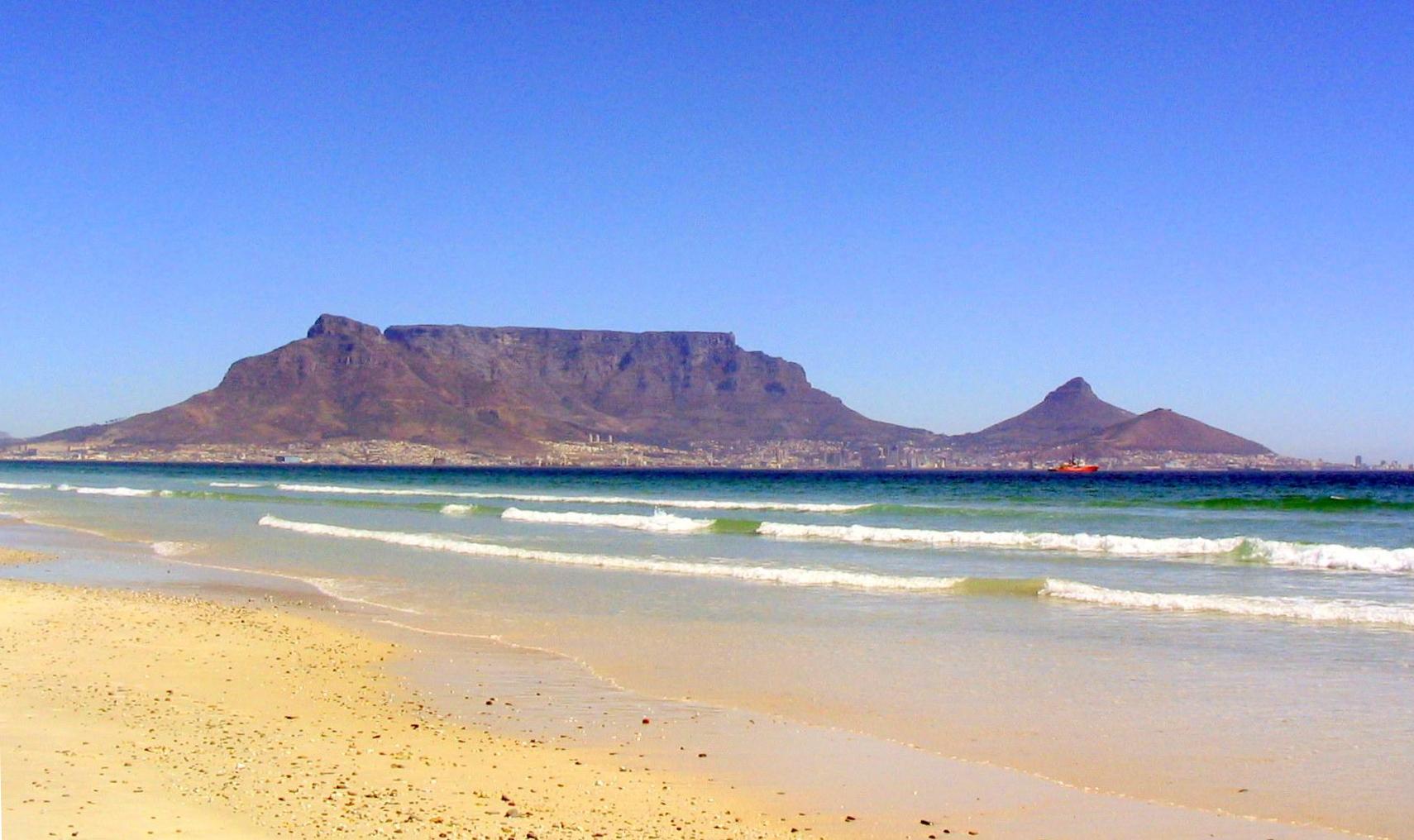
Is It Safe to Stay in Bloubergstrand, Cape Town? 2026 Safety Evaluation
Photo courtesy of Wikimedia Commons contributor, licensed under CC BY 3.0 Is It Safe to Stay in Bloubergstrand, Cape Town? | 2025–2026 Safety Guide Western…
Read Article
Is It Safe to Live in Walmer Estate, Cape Town? 2025–2026 Safety Guide
Photo courtesy of Axxter99, Wikimedia Commons, licensed under CC BY-SA 4.0 Is It Safe to Live in Walmer Estate, Cape Town? | 2025–2026 Safety Guide…
Read Article
Is Sea Point Safe for Tourists? A Data-Driven Analysis (2024–2026)
Is Sea Point Safe for Tourists? A Data-Driven Analysis (2025–2026) | Cape Town Data ◆ Data Analysis — February 2026 Is Sea Point Safe for…
Read Article
Is It Safe to Live in Rondebosch, Cape Town?
Photo courtesy of Zaian, Wikimedia Commons, licensed under CC BY-SA 3.0 Is It Safe to Live in Rondebosch, Cape Town? | 2025–2026 Safety Guide Southern…
Read Article
Is It Safe to Live in Oranjezicht, Cape Town?
Photo courtesy of Hansueli Krapf, Wikimedia Commons, licensed under CC BY-SA 3.0 Is It Safe to Live in Oranjezicht, Cape Town? | 2025–2026 Safety Guide…
Read Article