Everything you need to know about Sea Point, Cape Town, Update 2026
April 23, 2025

Sea Point: Cape Town's Vibrant Coastal Gem
Ranked among the world's coolest neighbourhoods, Sea Point combines stunning Atlantic Ocean views, a legendary promenade, and a cosmopolitan food scene just minutes from downtown Cape Town. Here's everything you need to know for 2026.
One of Cape Town's safest and most welcoming suburbs for visitors, with active community security and a vibrant street life.
Safety Overview
Sea Point is an affluent, oceanfront suburb of Cape Town known for its lively promenade and cosmopolitan atmosphere. Sandwiched between Signal Hill and the Atlantic Ocean just west of the city center, this dense neighborhood offers a blend of urban convenience and seaside charm.
By Cape Town standards, Sea Point enjoys a relatively safe environment, especially along the popular beachfront promenade during the day. The local ratepayers fund extra private security patrols and cleaning crews beyond what the city provides. You'll see joggers, dog-walkers, and families out enjoying the area, which adds to the feeling of safety.
Safety Rating: 8/10 – Good
Crime levels in Sea Point are comparable to affluent suburbs worldwide. Standard precautions apply: keep valuables secure, stay aware after dark, and stick to well-lit streets. The V&A Waterfront and Sea Point promenade are considered safe for evening walks.
However, like any city neighborhood, petty crime can occur. After dark, it's best to stick to well-lit busy streets and avoid walking alone in isolated spots. Always keep an eye on your belongings—car break-ins and phone snatching can happen if you're careless. Overall, Sea Point is no "no-go" zone—just use common sense as you would in any urban area.
Crime Statistics
Understanding Sea Point's crime context requires looking at Cape Town as a whole. The city has a crime index of 72.98 out of 100 (Numbeo 2024), placing it in the "very high" crime category nationally. However, crime is heavily concentrated in specific areas—and Sea Point is not among them.
Sea Point vs. Cape Town Context
What Actually Happens Reality
Crime Prevention Measures
Sea Point benefits from several layers of security that set it apart from less affluent areas:
Community Security Initiatives
- Sea Point CID (City Improvement District): Funds additional security patrols, cleaning crews, and CCTV monitoring beyond municipal services
- SFB Ratepayers Association: The Sea Point, Fresnaye & Bantry Bay Ratepayers fund private security patrols throughout the neighborhood
- Project HOPE: A community program that employs homeless individuals as Community Care Ambassadors for beach and street clean-ups, reducing vagrancy-related issues
- Active CPF: The Sea Point Community Policing Forum works closely with SAPS and private security to coordinate crime prevention
Practical Safety Advice
Daytime Safety Low Risk
After Dark Moderate Caution
Vehicle Safety Important
Hiking Caution Group Advised

Want the hard numbers? We analysed 20 verified crime incidents in Sea Point from 2024 to 2026. Read the full data-driven safety analysis →
Also see: Sea Point Safety FAQ | Full Interactive Crime Report
2025–2026 Highlights
Sea Point has seen significant changes over the past year, balancing infrastructure improvements with community concerns about rapid development and gentrification.
Heritage Concerns
Residents have raised concerns about historic Victorian and Art Deco buildings being lost to overdevelopment. In July 2025, two historic St John's Road homes (one heritage-graded) were demolished despite community objections. The SFB Ratepayers Association continues to monitor development applications and advocate for heritage preservation, though residents often face costly legal battles against well-funded developers.
Introduction to Sea Point's Charm
Time Out magazine dubbed Sea Point "one of the coolest neighbourhoods in the world" in both 2022 and 2023, praising its sea views, vibrant street life, and authentic multiculturalism. Whether you're a visitor or resident, Sea Point's appeal lies in its energetic mix of outdoor recreation, diverse dining, and proximity to Cape Town's top sites.
Sea Point stretches for several kilometers along the Atlantic seaboard, featuring the famous Sea Point Promenade—a paved oceanfront walkway bustling with walkers, cyclists, and sightseers against a backdrop of crashing waves. Dotted along the promenade are grassy parks, playgrounds, public art installations, and the Sea Point Pavilion pools where you can swim with a sea view for just a few rand.
Across the road, the suburb's main streets (Beach Road and Main Road/Regent Road) are lined with trendy cafés, restaurants, and shops, ranging from artisan bakeries and kosher delis to sushi bars and steakhouses. This mix of natural beauty and urban energy is what gives Sea Point its special appeal.
Key Statistics (2026)
Sea Point is notably diverse. Historically a strong Jewish community hub (with several synagogues and kosher eateries), today it's a melting pot of cultures, languages, and ages. You'll find elegant older residents who have lived here for decades alongside young professionals and expats living the good life by the sea. The suburb attracts young professionals, families, downsizers, retirees, and a growing community of international buyers and digital nomads.
Historical and Cultural Overview
Originally a farm in the 1700s, Sea Point got its name in 1767 when British sailors camped on this "point" by the sea to escape a smallpox outbreak in town. By the late 1800s it had grown into Cape Town's first true "commuter suburb," thanks to a tram line connecting it to the city and to Camps Bay.
An interesting relic of its liberal Victorian-era community is the story of Saul Solomon—a local politician who in 1878 built a quirky round church (nicknamed "Solomon's Temple") that hosted four different denominations under one roof. While that church is gone, Sea Point still showcases heritage architecture like St John's Road's old-style apartment blocks and the art deco Olympic Building.
During apartheid, Sea Point was classified as a whites-only area, but it was somewhat unusual in its progressive leanings. In the 1990s, as apartheid ended, Sea Point rapidly integrated. Today it's a vibrant mix of people from across South Africa and the world. This blend is reflected in local culture: you'll find multiple houses of worship, a French international school, and eateries serving everything from Nigerian jollof to Israeli falafel.
Notable Landmarks
Sea Point Pavilion Since 1950s
Green Point Lighthouse Est. 1824

Photo by Arno Meintjes, licensed under CC BY-SA 3.0
Living in Sea Point: Tips for Tourists and Residents
When to Visit
Sea Point is enjoyable year-round, but summer (December–March) is peak season. The weather is warm and sunny, perfect for sunset strolls and outdoor dining. Thanks to the ocean breeze, Sea Point stays a bit cooler than inland Cape Town in summer—a blessing on hot days.
In winter (June–August), expect some rain and big ocean swells—dramatic waves often splash over the promenade during storms, which can be a spectacle in itself. For a happy medium, try the shoulder seasons (October/November or April) when the weather is mild and the promenade is pleasantly busy but not packed.
What to Do
The Promenade Must-Do
Sea Point Pavilion Iconic
Mojo Market Food Hub
Active Lifestyle Adventure
Getting Around
Sea Point's central location is a big plus. The suburb is well-served by the MyCiTi bus system—routes 108/109 link Sea Point to the V&A Waterfront, City Centre, Camps Bay, and Hout Bay. This means you can sightsee without a car quite easily. Within Sea Point, virtually everything is walkable: groceries, pharmacies, gyms, and boutiques are all found along Main and Regent Roads.
Practical Tips
- Sunset ritual: Join locals on the promenade for the daily sunset—expect applause as the sun dips into the Atlantic
- Transport: Uber/Bolt works great; 5–10 minutes to V&A Waterfront or CBD
- Parking: Can be tight on busy days near popular spots—many buildings have garages
- Swimming: Avoid swimming directly off the rocky coast (cold water, strong currents)—use the Pavilion pools or head to Clifton
- Safety after dark: Stick to well-lit streets; the promenade and V&A Waterfront are safe for evening walks
- Weather: Pack layers—afternoons can get windy (the famous "South-Easter")
Video: Sea Point Walking Tour
Comparing Sea Point to Its Neighbors
Sea Point occupies a prime spot on the Atlantic Seaboard, flanked by other notable Cape Town neighborhoods. Here's how they compare:
Green Point City-Adjacent
Bantry Bay Exclusive
Mouille Point Quiet Elegance
Three Anchor Bay Value Option
Real Estate and Lifestyle Trends (2025–2026)
Sea Point has been one of Cape Town's property hot-spots, and recent trends show it's still on the up. Since 2010, residential property prices in Cape Town have grown by around 141%, equating to approximately 8–9% annual growth in high-demand suburbs like Sea Point.
The property market is a mix of old and new. In recent years there's been a boom in modern luxury apartments—sleek new developments with ocean-view balconies and top-notch security, catering to upscale buyers. At the same time, Sea Point hasn't lost its older housing stock: charming art deco apartment buildings and a few Victorian-era homes remain.
Gentrification Concerns
The community is grappling with rapid change. In 2025, beloved establishments like Corner Bar, Bella Italia, and Harry's Supermarket closed to make way for luxury developments. Residents have raised concerns about gentrification, displacement, infrastructure strain, and the loss of architectural heritage. The Ratepayers Association actively monitors development proposals to balance growth with community character.
A notable trend is the rise of short-term rentals (Airbnb-style). Sea Point's tourist appeal makes it a favorite for investors—many apartments are rented to visitors for income. For residents, this means in summer you might share your building with a rotating cast of holidaymakers. Long-term rentals are also strong: young professionals and expats who want to live by the sea but be close to the city often choose Sea Point.

Photo by Arno Meintjes, licensed under CC BY-SA 3.0
Pros and Cons of Sea Point
Pros
- Stunning coastal scenery: Daily Atlantic Ocean views, gorgeous sunsets, proximity to Clifton/Camps Bay beaches
- Active, outdoor lifestyle: The promenade is perfect for jogging, cycling, rollerblading, or strolling. Outdoor gyms and public pools support healthy living
- Vibrant food and culture: Dozens of restaurants and cafés for all tastes—from upscale dining to street food at Mojo Market
- Convenience and location: 5–10 minutes from downtown and V&A Waterfront. Well-served by public transport and Uber
- Community initiatives: Active residents' association, Project HOPE for homeless assistance, private security patrols
- Diverse and cosmopolitan: Multicultural community with people from all walks of life
Cons
- High cost of living: Both buying and renting are expensive—property prices well above city median
- Crowds and traffic: Promenade is crowded on weekends/holidays; Main Road sees traffic congestion, especially in summer
- Limited beach access: Coastline is mostly rocky—for sandy beaches, head to Clifton or Camps Bay
- Construction noise: Ongoing development means construction activity, especially on Main Road
- Gentrification pressure: Beloved local businesses being replaced by luxury developments; concerns about community character
- Space constraints: Densely built-up with limited gardens; apartment-centric living may feel cramped
Location
Bottom Line
With a 8/10 safety rating, Sea Point stands out as one of Cape Town's most desirable neighborhoods—and for good reason. It offers a unique lifestyle where you can watch the sunset over the Atlantic, grab dinner at a world-class restaurant, and be a 5-minute drive from downtown offices or shopping malls.
The blend of natural beauty, recreation, and urban convenience is hard to replicate elsewhere in the city. Its accolades as a "cool" world neighborhood are backed up by real substance—community spirit, improved safety, and plenty to do.
Who would enjoy Sea Point most? Tourists looking for a scenic, central base. Young professionals drawn to the social scene and location. Retirees who want top-notch amenities and no need to drive far. Anyone who enjoys an active, social lifestyle and doesn't mind apartment living.
Whether you're sipping a flat white at a sidewalk café, watching paragliders float down from Signal Hill, or simply listening to the ocean from your balcony, it's easy to fall in love with Sea Point. Recommended? Absolutely.

Photo by Discott, licensed under CC BY-SA 3.0
More in Neighborhood Safety Deep-Dives
- Is It Safe to Stay in Bloubergstrand, Cape Town? 2026 Safety Evaluation
- Is It Safe to Live in Walmer Estate, Cape Town? 2025–2026 Safety Guide
- Is Sea Point Safe for Tourists? A Data-Driven Analysis (2024–2026)
- Is It Safe to Live in Rondebosch, Cape Town?
- Is It Safe to Live in Oranjezicht, Cape Town?
- Cape Town Gangs: What Visitors Need to Know in 2026 | Safety Guide
You May Also Like
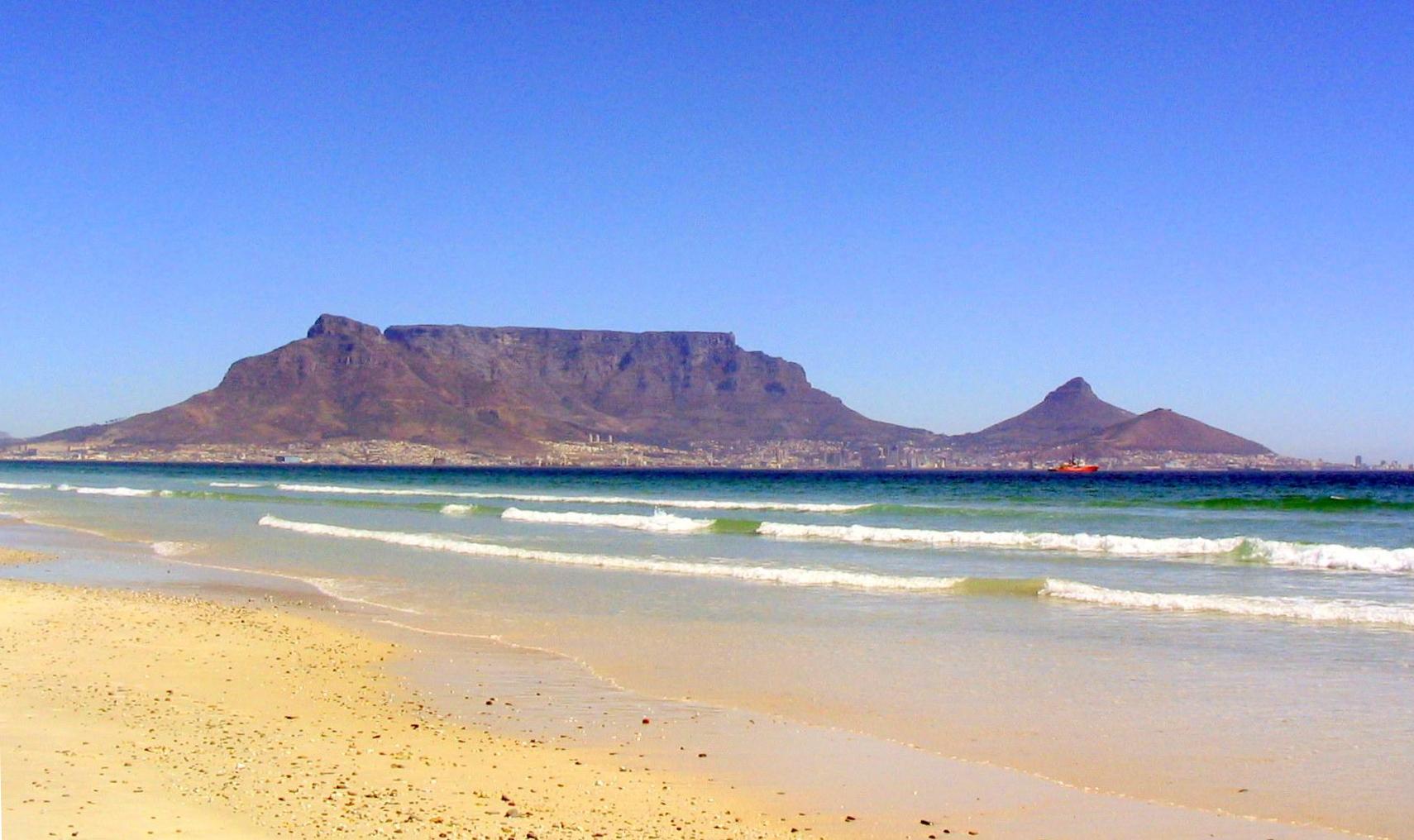
Is It Safe to Stay in Bloubergstrand, Cape Town? 2026 Safety Evaluation
Photo courtesy of Wikimedia Commons contributor, licensed under CC BY 3.0 Is It Safe to Stay in Bloubergstrand, Cape Town? | 2025–2026 Safety Guide Western…
Read Article
Is It Safe to Live in Walmer Estate, Cape Town? 2025–2026 Safety Guide
Photo courtesy of Axxter99, Wikimedia Commons, licensed under CC BY-SA 4.0 Is It Safe to Live in Walmer Estate, Cape Town? | 2025–2026 Safety Guide…
Read Article
Is Sea Point Safe for Tourists? A Data-Driven Analysis (2024–2026)
Is Sea Point Safe for Tourists? A Data-Driven Analysis (2025–2026) | Cape Town Data ◆ Data Analysis — February 2026 Is Sea Point Safe for…
Read Article
Is It Safe to Live in Rondebosch, Cape Town?
Photo courtesy of Zaian, Wikimedia Commons, licensed under CC BY-SA 3.0 Is It Safe to Live in Rondebosch, Cape Town? | 2025–2026 Safety Guide Southern…
Read Article
Is It Safe to Live in Oranjezicht, Cape Town?
Photo courtesy of Hansueli Krapf, Wikimedia Commons, licensed under CC BY-SA 3.0 Is It Safe to Live in Oranjezicht, Cape Town? | 2025–2026 Safety Guide…
Read Article