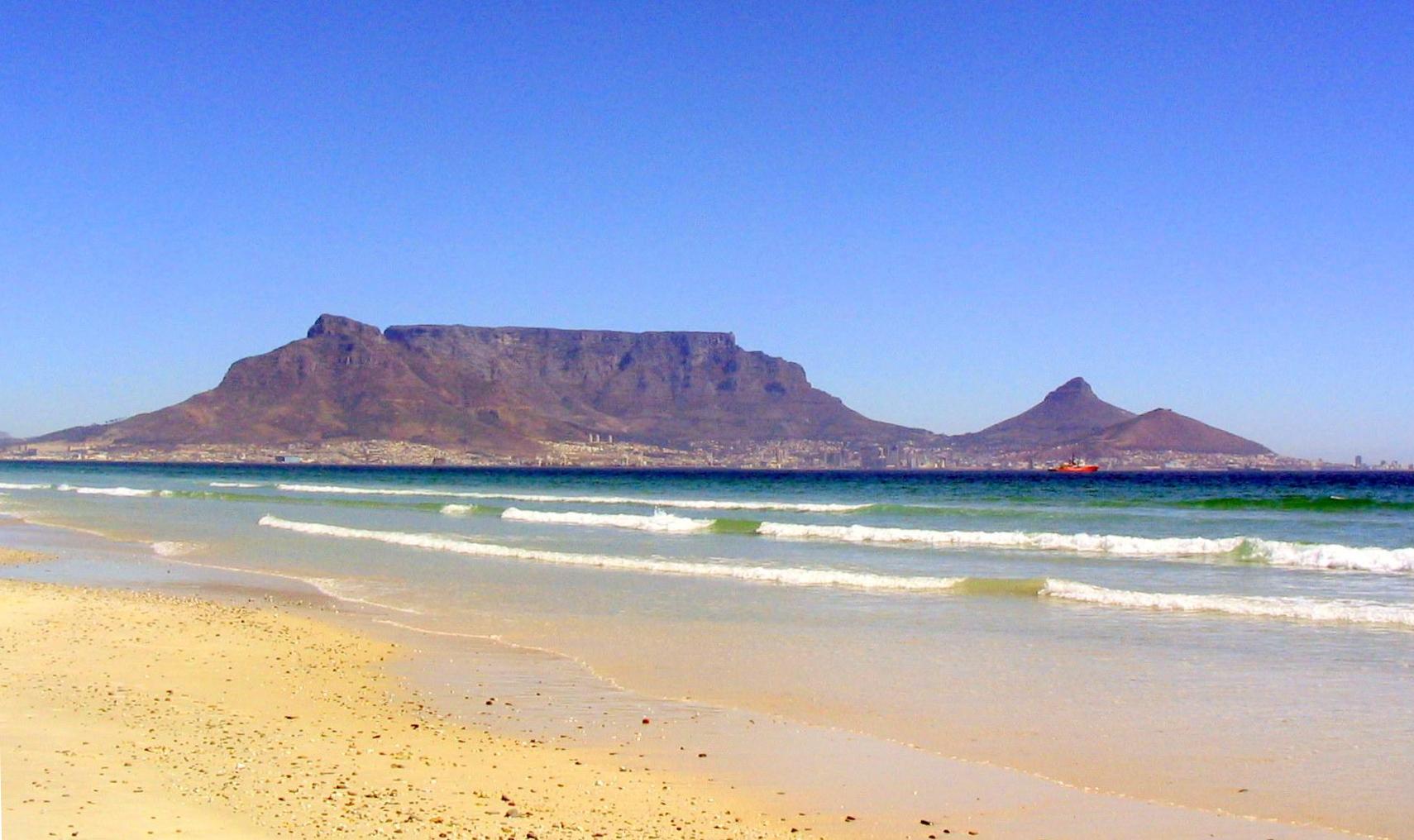
Photo courtesy of ~ souTH AFRica ~, Wikimedia Commons, licensed under
CC BY-SA 3.0
## Table of Contents
- [Introduction](#introduction)
- [Safety & Security](#safety-security)
- [Daily Life & Attractions](#daily-life-attractions)
- [Historical & Cultural Overview](#historical-cultural-overview)
- [Property Market 2024–25](#property-market-2024-25)
- [Comparisons with Neighbouring Areas](#comparisons-with-neighbouring-areas)
- [Pros & Cons](#pros-cons)
- [Community Infrastructure & Transport](#community-infrastructure-transport)
- [Future Developments & Outlook](#future-developments-outlook)
- [Conclusion & Recommendations](#conclusion-recommendations)
- [Quick-Glance Summary](#quick-glance-summary)
Somerset West is a historically affluent town in the Western Cape, nestled at the foot of the majestic Helderberg Mountains and bordering the famed Cape Winelands. Although administratively part of the City of Cape Town metropolitan area, Somerset West exudes a relaxed suburban charm a world apart from the city’s hustle. It’s a place where vineyards and golf estates meet shopping malls and schools – offering residents a scenic, family-friendly lifestyle with all modern conveniences. Located about 45 km (28 miles) east of Cape Town’s CBD (roughly a 40–60 minute drive depending on traffic), Somerset West serves as the gateway to both the False Bay coastline (with beaches at Strand and Gordon’s Bay minutes away) and the vineyard-covered hills of Stellenbosch. If Cape Town’s Atlantic Seaboard is about urban glamour, Somerset West is about space, greenery and community – a haven where one can enjoy mountain hikes in the morning, beach sunsets in the evening, and world-class wine tasting on the weekend. In this comprehensive guide, we’ll delve into Somerset West’s safety, lifestyle, history, property market, and more, to paint a detailed picture of life in this tranquil yet dynamic corner of the Cape.
## Safety & Security {#safety-security}
Safety Rating (2025): 8.0/10 – Somerset West enjoys a relatively safe environment by South African standards, thanks to a combination of active community policing and its suburban character. Local authorities and residents have taken notable steps to keep crime in check. In fact, a mid-2024 police report revealed that many crime categories were decreasing: contact crimes fell by 11% and property crimes by 4.7%, with robberies plummeting by 58% compared to the prior year [en.wikipedia.org]. Police credit the strong network of neighbourhood watches and private security companies for these improvements [en.wikipedia.org]. It’s common to see security patrol vehicles in residential areas, and gated estates with 24/7 guards are popular – all contributing to an atmosphere where violent crime is rare.
That said, Somerset West is not entirely crime-free. Petty opportunistic crimes – like car break-ins or occasional house burglaries – do occur, so normal precautions are advised. Many locals emphasize basic vigilance: keep doors locked, don’t leave valuables visible in parked cars, and be mindful of your surroundings at night. Certain parts of the town (especially closer to major transport routes or the town centre) can see incidents of theft or vandalism, but these are generally sporadic. The community stays alert through WhatsApp groups and the local Community Policing Forum, which holds regular meetings to discuss safety. License-plate recognition cameras have even been installed at some neighborhood entrances to deter criminal movements.
Notably, violent crime is uncommon in this area – any serious incident tends to make headlines precisely because it’s unusual. In late 2024, for example, a tragic case of a foreign national being murdered in broad daylight shocked residents [en.wikipedia.org]; such events are exceptional and newsworthy in Somerset West. More commonly, concerns have focused on issues like a spike in motor-vehicle thefts (which the police flagged in 2024) [en.wikipedia.org] or scams targeting the elderly (fraud cases rose slightly) [en.wikipedia.org]. In response, local civic groups and law enforcement have ramped up patrols in hotspots and run awareness campaigns (e.g. urging people not to park overnight on dark streets, and educating seniors about common scams).
Overall, Somerset West feels secure and peaceful, especially in its residential enclaves up against the mountain. During daytime, one sees joggers and dog-walkers out and about, and after dark the streets are generally quiet with little foot traffic. As always, it’s wise to stick to well-lit main roads if walking at night, and to drive with doors locked – standard practice in South African towns. Fortunately, the major shopping centers and wine estates have good security, and the town’s strong community ethos means neighbors look out for each other. The bottom line: enjoy Somerset West’s relaxed lifestyle, just exercise normal caution as you would anywhere. By Cape Town metro comparisons, this town ranks as relatively safe and low-crime, thanks to its proactive residents and semi-rural setting.
## Daily Life & Attractions {#daily-life-attractions}
Somerset West offers a pleasant blend of outdoor recreation, commerce, and leisurely pursuits – a day in the life here can be as active or relaxed as you choose. A defining feature is the town’s proximity to nature. On the south side, the Helderberg Nature Reserve (a 363-hectare reserve established in 1964) sprawls up the mountain slopes, providing locals with beautiful hiking trails and picnic spots amid fynbos vegetation [en.wikipedia.org]. It’s common to start the morning with a hike or trail run in the reserve, where one might spot small antelope or tortoises in addition to stunning views over False Bay. For those who prefer a gentler outdoor experience, the reserve also hosts open lawns and a tearoom – perfect for family outings. Another jewel of Somerset West’s lifestyle is its wine estates. The town forms part of the Helderberg wine region (a sub-region of Stellenbosch) and is ringed by famed wineries [en.wikipedia.org]. The two most popular, right on Somerset West’s outskirts, are Vergelegen and Lourensford. Vergelegen Wine Estate – founded in 1700 – not only produces award-winning wines but also welcomes visitors to its exquisite Cape Dutch manor house and heritage gardens. Strolling through Vergelegen’s ancient camphor trees or enjoying a cheese platter under the oaks is a beloved local pastime. Lourensford Wine Estate, meanwhile, offers a vibrant weekend market and even a Motor Studio (sports car museum) on its grounds [en.wikipedia.org]. It’s a treat to sip wine at Lourensford’s terrace while gazing at the surrounding mountains. These estates often host events too, from summer sunset concerts to Christmas festivals, adding to the community spirit.
Day-to-day retail and dining needs are catered to by numerous shopping centers and eateries. Somerset West has evolved into the major commercial hub of the Helderberg region, so residents rarely need to go elsewhere for anything. The flagship is Somerset Mall, one of the Western Cape’s largest malls, boasting 200+ shops, restaurants, and cinemas [en.wikipedia.org]. Adjacent is the newer The Sanctuary and Waterstone Village centers, featuring supermarkets, boutique stores, and popular coffee shops. Whether it’s grocery runs, fashion shopping, or catching the latest movie, these centers have it covered. For a more quaint shopping experience, the town’s old Main Road hosts local bakeries, organic produce shops, and cafés housed in historic buildings – you can find farm-to-table dining and antiques on this tree-lined avenue. Foodies will be pleased with the restaurant scene: while quieter than Cape Town’s, Somerset West offers everything from upscale dining (try Camphors at Vergelegen for fine cuisine) to family-friendly pizzerias and coffee roasters. Noteworthy local favorites include Steffanie’s Place, a hilltop restaurant known for its panoramic view over False Bay, and Benguela Cove’s Moody Lagoon (on the nearby wine farm) for a gourmet winelands lunch. By night, Somerset West isn’t a party hotspot – most establishments close by 10-11pm – but a handful of wine bars and pubs provide warm atmosphere for an evening drink.
Recreation is a big part of daily life. Golf enthusiasts have the world-class Erinvale Golf Club on their doorstep, nestled amid rolling greens and oak-lined lanes [en.wikipedia.org]. Erinvale’s course is renowned both for its challenging play and for the gorgeous backdrop of the Hottentots Holland range [en.wikipedia.org]. Tennis and bowls clubs are active in town as well, reflecting the area’s sizable retirement community. Families have plenty to enjoy: the Blue Rock Cable Water-ski Resort (a repurposed quarry lake) offers wakeboarding and summer fun just outside town [en.wikipedia.org], and the Cheetah Outreach center (near Paardevlei) allows kids to learn about and even pat rescued cheetahs – a unique attraction for animal lovers. On weekends, many Somerset West locals head to the nearby Strand beachfront (10 minutes’ drive) for a dose of sea and sand. Strand’s 5 km long beach is ideal for swimming in warmer months, and the promenade has ice-cream shops and tidal pools. Those seeking waves go a bit further to Gordon’s Bay or the start of the scenic coastal road beyond – one of the Cape’s most beautiful drives.
What truly distinguishes Somerset West’s lifestyle is this balance of town and country. One moment you could be navigating the bustling parking lot of Somerset Mall, and 15 minutes later you’re wine-tasting on a quiet estate or hiking among protea flowers. Residents often remark on how self-sufficient the area is: top-notch private hospitals and schools are right here, and even the Cape Town International Airport is only about 30 km away (a 25-minute off-peak drive). Yet despite growth, Somerset West still maintains a laid-back pace – afternoons are for braais (barbecues) in the garden, farm stalls sell fresh strawberries in season, and the Helderberg’s silhouette turns purple at dusk as the day winds down. In short, daily life in Somerset West invites you to savor the good life: fresh air, good food and wine, outdoor adventure, and a friendly community vibe.
## Historical & Cultural Overview {#historical-cultural-overview}
Though best known today for its vineyards and villas, Somerset West boasts a rich history going back over three centuries. The area’s recorded history begins in the late 1600s under Dutch rule, when the fertile foothills of the Hottentots Holland were used for grazing and agriculture. In 1700, Cape Governor Willem Adriaan van der Stel established the Vergelegen Estate here – building an elaborate homestead and farm that would become legendary (and eventually infamous) in Cape history. Van der Stel’s private agricultural empire at Vergelegen was so successful it sparked jealousy among other colonists, leading to accusations of abuse of power. The Dutch East India Company seized Vergelegen in 1706 after van der Stel’s fall from grace, but the beautiful estate remained, and its manor house and octagonal garden layout survive today as a living link to this early era [en.wikipedia.org].
The town itself was founded in 1822, during British rule, and was named “Somerset” after Lord Charles Somerset (the British governor of the Cape Colony from 1814–1826) [en.wikipedia.org]. The suffix “West” was added later to distinguish it from Somerset East in the Eastern Cape [en.wikipedia.org]. Prior to official town status, a small community had grown here serving the rural farms. The British influence brought infrastructure: a famed pass through the mountains to the interior (Sir Lowry’s Pass) was built in the 1830s, making Somerset West an important stop on wagon routes. By the mid-19th century, the village had a school, a church, and a magistrate’s court, and farming of grapes and apples thrived thanks to fertile soils and ample water from the mountains. The coming of the railway in 1889 further boosted growth – a rail line from Cape Town via Stellenbosch reached Somerset West, turning it into one of the Cape’s early “commuter towns” for those who could afford a country lifestyle and train into the city [en.wikipedia.org]. (The old Somerset West train station, with its classic architecture, still stands as a landmark near the town center.)
During the 20th century, Somerset West developed a reputation as a serene retreat. It attracted well-heeled families and retirees, leading to the establishment of gracious neighborhoods like Spanish Farm and Parel Vallei with large plots and Cape Dutch or Victorian-style homes. The area’s climate and scenery were a major draw – by the 1950s and 60s, some even dubbed Somerset West the “Florida of the Cape” for its popularity among pensioners seeking sunshine. Under apartheid (1948–1994), Somerset West was classified as a white-only area, while people of color were forcibly relocated to nearby areas like Lwandle (a Black township near Strand) or the “Stefanie’s Village” area for Coloured residents. Those segregationist policies left a legacy of economic disparity between Somerset West proper and its township neighbors, but in the post-1994 era the town has become more integrated and diverse. Today, the population of Somerset West (around ~55,000 in the town proper, and ~180,000 including the broader Helderberg basin) is a mix of Afrikaans and English-speaking heritage, with a growing Xhosa-speaking community as well. English is the dominant language in business and schools, but one still hears Afrikaans frequently in local shops and churches [en.wikipedia.org].
A few historical sites and cultural nuggets stand out:
- **Vergelegen Estate** – beyond its early Dutch history, Vergelegen later hosted many dignitaries (including visits by the British royal family). Its old mill and library are now mini-museums on the estate. The grounds also contain an ancient Camphor tree avenue planted in 1700 – proclaimed a national monument [en.wikipedia.org].
- **Old Lourensford Road** – the historic “main street” that connected the farms, where one finds the Somerset West Museum (a 19th-century house showcasing local history) and the Bright Street Gallery for local art. The museum itself is housed in the old pastor’s residence (built 1815) and gives a glimpse of settler life [en.wikipedia.org].
- **Paardevlei** – an area with an interesting industrial heritage. In the late 19th century, the Somerset West dynamite factory was established by Cecil Rhodes’ De Beers company at Paardevlei. For decades, this factory produced explosives (critical for South Africa’s mining industry) and a whole company town sprang up around it. The factory closed in the 1990s, and today Paardevlei is being redeveloped, but one can still see the old red-brick factory buildings (some repurposed into offices and museums). A small exhibit honors this piece of industrial history, and the adjacent wetlands – once water reservoirs for the factory – have surprisingly become a biodiverse nature sanctuary with flamingos and other birdlife [en.wikipedia.org].
Culturally, Somerset West has a reputation for being family-oriented and somewhat conservative, but with a cosmopolitan edge brought by newcomers. The town’s traditions include an annual Helderberg Lights Festival every December, when holiday lights adorn Main Road and a festive market and parade take place [en.wikipedia.org]. There’s also a strong culture of philanthropy and community clubs – from garden societies to Rotary – reflective of the many retirees and professionals who invest time in local causes. In recent years, the population boom and influx of “semigrants” (folks relocating from other provinces for a better lifestyle) have diversified the scene: one can find yoga studios, craft breweries, and international cuisines (like a surprisingly authentic Thai restaurant and a Turkish kebab eatery) joining the traditional coffee shops and Afrikaans churches. Yet, despite growth, Somerset West maintains an easy-going, small-town feel. People still greet each other on morning walks, farm stalls still sell homemade jam by the honor system, and the overall ethos is one of enjoying a genteel country lifestyle with modern comforts.
## Property Market 2024–25 {#property-market-2024-25}
Somerset West’s property market is robust and highly sought-after, buoyed by the town’s enduring lifestyle appeal and its status as a gateway to the Cape Winelands. By 2024, it was reported that Somerset West had the largest residential property market by sales volume in the Cape Winelands region, with total transactions reaching about R5.25 billion for the year [en.wikipedia.org]. Despite South Africa’s broader economic headwinds, demand in Somerset West remains strong, and property values have shown steady growth.
**Home Prices:** The town offers a diverse mix of properties – from sprawling freehold family homes to lock-up-and-go sectional title apartments and retirement cottages. In 2024, the average price for a freehold house in Somerset West was around R4.3 million, which marked roughly a 3.8% increase from the previous year’s average [en.wikipedia.org]. Many freestanding 3–4 bedroom homes in good areas (with gardens and perhaps a pool) trade in the R3 million to R6 million range, while top-end luxury homes in neighborhoods like Spanish Farm or Erinvale Golf Estate can easily exceed R10 million. Indeed, Somerset West has some ultra-exclusive pockets: hilltop villas with panoramic views, or homes within wine-and-equestrian estates, that fetch R15–R25 million at the very high end. On the other hand, the market also caters to first-time buyers and middle-class families – areas such as Victoria Park or Kelderhof offer smaller houses or modern townhouses in the R1.5–R2.5 million range. The presence of new estates has expanded options too: secure complexes like Sitari Country Estate and Croydon Vineyard Estate sell newly built family homes (often 3-4 bed) typically from around R2.5 million upwards, blending lifestyle perks (security, communal parks) with relative affordability by Cape standards [en.wikipedia.org].
Sectional title apartments are another segment. While Somerset West isn’t a high-rise haven, there are several apartment complexes and new developments, especially around the Paardevlei precinct and along the Main Road. One-bedroom and two-bedroom flats range broadly depending on age and location – older units can be found under R1 million, whereas trendy new apartments (e.g. in Paardevlei Lifestyle Estate with modern finishes and amenities) often list between R1.2–R2.5 million [en.wikipedia.org]. Retirees are a key market here: the town has multiple retirement villages and life-right units (such as those in Somerset Oaks or Helderberg Manor), which provide secure living with medical facilities on-site. These life-right homes usually require an upfront payment (often R1m–R3m depending on unit size) for lifelong residence, reflecting the area’s popularity as a retirement destination [en.wikipedia.org].
**Rental Market:** Renting in Somerset West is somewhat more affordable than in Cape Town’s city bowl or Atlantic Seaboard, but still on the higher side for the Cape Town region due to demand. A typical 3-bedroom family house rents for anywhere between R15,000 and R30,000 per month depending on location and features (with top-end furnished homes or estate houses commanding even more). Apartments and cottages rent from about R7,000 (for a small 1-bed) up to R15,000 (for spacious 2-3 bed units or those in luxury estates). According to local agents, rental demand has surged as families relocating from Gauteng or abroad often rent first before buying, and because professionals working remotely seek the quality of life here without necessarily buying property immediately. Notably, Somerset West also sees some short-term rental activity: its proximity to the Winelands and the beach makes it appealing for AirBnB holiday rentals, especially larger homes with views or apartments near wineries, which can yield good income in summer [en.wikipedia.org].
**Market Trends 2024/25:** The property market has been resilient. While interest rate hikes in 2023–24 cooled some buyer activity nationwide, Somerset West largely bucked the trend with only a slight dip in sales volume but stable prices [en.wikipedia.org]. In fact, the total number of properties sold in 2024 was down about 4.3% from 2023, yet the total Rand value was marginally up, indicating price growth despite fewer transactions [en.wikipedia.org]. This suggests a strengthening of values and perhaps a shift to higher-end properties being sold. The town’s broad appeal – to retirees, young Cape Town families seeking more space, and “semigrants” from other provinces – keeps a steady flow of buyers in the market. Additionally, the trend toward secure estate living has bolstered prices: homes within gated estates or with top-notch security features often achieve premium pricing due to high demand for peace of mind [en.wikipedia.org].
Estate agents note that Somerset West offers good value for money compared to some other Cape Town areas. For the price of a cramped apartment in the city, one could get a spacious home with a yard here. This “bang for buck” is a selling point, especially as remote work allows people to live further from the office. The town’s inclusion in the City of Cape Town metro also instills confidence (buyers know municipal services, infrastructure, and governance are relatively well-managed here, unlike some smaller rural towns). Indeed, infrastructure upgrades like widespread fiber-optic internet, backup power generators in new developments (to mitigate load-shedding), and new commercial centers have enhanced property attractiveness [en.wikipedia.org].
Looking ahead into 2025, the outlook is for moderate but continued growth. There is a limited supply of vacant land in prime areas, which will keep prices buoyant. However, new projects (like the large mixed-use Paardevlei developments) will add apartments and houses to the inventory over the next few years, potentially easing shortages in certain segments. Long-term prospects remain very positive – as one local property report put it, Somerset West’s quality of life and location mean that homes here “hold their value well and appreciate over time” [en.wikipedia.org], even if national trends are subdued. For investors, rental yields are decent and demand is consistent, thanks to the steady influx of people drawn by the town’s charm. All in all, Somerset West offers a stable, blue-chip property market: it may not see explosive spikes, but it delivers reliable growth and an exceptional lifestyle ROI for those who invest in calling it home.
## Comparisons with Neighbouring Areas {#comparisons-with-neighbouring-areas}
Somerset West anchors the Helderberg region, and it’s enlightening to compare it to its immediate neighbors and other nearby towns:
**Strand:** Just south of Somerset West lies Strand, a coastal town hugging the shore of False Bay. While technically part of greater Somerset West’s jurisdiction (the two towns practically merge at some points), Strand has a very different character. It’s defined by its 2-mile-long sandy beach and a somewhat more down-to-earth, holiday town vibe. Strand’s beachfront is lined with high-rise apartment buildings and a mix of restaurants, surf shops, and an old-school amusement area (mini-golf, water slides) geared toward tourists. Living in Strand appeals to beach-lovers and those who enjoy a walkable seaside lifestyle. Property prices in Strand tend to be lower than in Somerset West for equivalent size – for example, you might find a seafront 2-bedroom apartment in Strand for the price of a small house in Somerset West. However, Strand also has pockets of luxury (the Greenways golf estate, or penthouses in modern towers) at premium prices [en.wikipedia.org]. In terms of atmosphere, Strand is more bustling and densely built in its center, and portions of it have socio-economic challenges (there are some lower-income neighborhoods inland, and crime rates in parts of Strand can be higher, with occasional gang-related issues that Somerset West proper rarely sees). Strand’s advantages include the beach (a big plus for summertime recreation) and a slightly shorter commute to Cape Town by a few kilometers. But many families choose Somerset West for its larger properties, quieter leafy streets, and perceived safety – then simply drive 10 minutes to Strand when they want a beach day. Essentially, Strand is great for a seaside apartment or holiday lifestyle, whereas Somerset West offers more space, gardens and upscale suburban living. The two are complementary in many ways; residents of one freely enjoy the amenities of the other.
**Gordon’s Bay:** Further east along the coast (about 10 km from Somerset West) is Gordon’s Bay, a charming small coastal town tucked against the mountains. Gordon’s Bay is notably smaller and more resort-like than both Strand and Somerset West. It’s known for the picturesque Harbour Island marina, the old village feel around Bikini Beach, and a series of quiet residential neighborhoods terraced on the slopes with stunning ocean views. Many compare Gordon’s Bay to a Mediterranean seaside village – it has steep winding roads, cozy harborside restaurants, and even a giant white anchor and “GB” sign on the mountain slope (a local landmark, like a Hollywood-style icon) [en.wikipedia.org]. Life in Gordon’s Bay is tranquil and oriented toward the sea: you’ll find sailing clubs, fishing spots, and a popular whale-watching drive starting here towards Rooi Els. Compared to Somerset West, Gordon’s Bay is far smaller (population-wise) and has fewer big-box amenities – for major shopping or work, residents often drive into Somerset West. Property in Gordon’s Bay ranges from modest cottages to luxury hillside villas; you can snag a small townhouse near the beach relatively affordably, whereas a modern mansion with a panoramic view might rival Somerset West’s priciest homes [en.wikipedia.org]. **Pros:** Gordon’s Bay offers an everyday vacation feeling, uncrowded beaches, and tight-knit community. It’s also a bit more shielded from the notorious Cape winds in summer (False Bay’s curve gives it some protection, making Bikini Beach one of the Cape’s few north-facing, wind-sheltered beaches). **Cons:** It’s further out – commuting to Cape Town is longer (add ~15 minutes compared to Somerset West commute), and there’s limited schooling and employment in town, meaning a reliance on surrounding areas. Many people choose Gordon’s Bay for retirement or remote work, while using Somerset West’s infrastructure for schools, hospitals, etc. In summary, Gordon’s Bay is like the sleepy beach cousin to Somerset West’s thriving garden-town: choose it if daily ocean views trump convenience.
**Stellenbosch:** About 18 km north of Somerset West (a 20–25 minute drive over the R44 highway) lies Stellenbosch, the famous university town and wine capital. While not directly adjacent, Stellenbosch is close enough that Somerset West residents often pop over for an outing, and the two towns are sometimes weighed against each other by those moving to the Winelands. Stellenbosch is steeped in history and Cape Dutch architecture, with a bustling town center filled with cafes, art galleries, and students from Stellenbosch University. It offers a more urbane, cosmopolitan feel compared to Somerset West – thanks to the student energy and tourism, Stellenbosch has a thriving nightlife, high-end boutiques, and frequent cultural events (wine festivals, art fairs, etc.) [en.wikipedia.org]. In contrast, Somerset West’s culture is quieter and more family/residential in nature. Property-wise, Stellenbosch is generally more expensive for what you get, particularly in central areas. A historic cottage or modern apartment in Stellenbosch town can be very pricey (the town consistently has some of the highest real estate prices in South Africa due to limited supply and high demand) [en.wikipedia.org]. Somerset West, with its larger geographic spread, tends to offer larger plots and homes at a given price point than Stellenbosch, where space is at a premium. Stellenbosch also has top-rated schools and the prestige of university, which attracts academic and professional residents – but it suffers from traffic congestion in town (narrow streets) and during term time the influx of students can make it feel crowded. By living in Somerset West, one can enjoy a slightly slower pace and easier parking, yet still visit Stellenbosch’s restaurants or work there. In terms of safety, both towns are relatively safe by SA standards, though Stellenbosch’s student population means petty theft (bike thefts, etc.) can occur, and Somerset West’s more spread-out suburbs might feel more secure to some. Ultimately, if you seek a vibrant, historical “wine town” atmosphere, Stellenbosch is unmatched; but if you prefer more housing space, suburban calm, and coastal access while still being near the Winelands, Somerset West wins out.
## Pros & Cons {#pros-cons}
Every locale has its advantages and drawbacks. Here’s a balanced look at Somerset West’s pros and cons:
### Pros
- **Natural Beauty & Space:** Few places in the Cape offer Somerset West’s blend of mountain, vineyard, and ocean proximity. The town is breathtakingly scenic – one wakes up to views of the Helderberg, and within 10–15 minutes you can be hiking in nature or relaxing on a beach [en.wikipedia.org].
- **Quality of Life:** Somerset West is often described as having a “village atmosphere with city convenience.” It boasts excellent amenities (shopping centers, restaurants, healthcare) without the intense traffic or overcrowding of the city. Crime rates are relatively low and streets are clean [en.wikipedia.org].
- **Outdoor & Leisure Activities:** Outdoor enthusiasts have it all: hiking, mountain biking, trail running, golf, sailing and surfing at the nearby beach. There are also numerous wineries offering weekend markets, live music events, and picnicking [en.wikipedia.org].
- **Accessibility & Hub Location:** Although it’s removed from the Cape Town bustle, Somerset West’s location is strategically central to many destinations. The Cape Town International Airport is a quick 25-minute drive. The N2 highway connects you to Cape Town city (west) or the Garden Route (east), and the Stellenbosch wine route is just a short hop north [en.wikipedia.org].
- **Property Value & Options:** Somerset West is seen as a sound investment. Compared to prime Cape Town suburbs, you often get more property for your money here (larger homes or gardens). The enduring desirability of the area has led to consistent appreciation in home values [en.wikipedia.org].
### Cons
- **Distance & Commuting:** The most cited drawback is Somerset West’s distance from Cape Town’s city center. Commutes can be 45–60+ minutes in rush hour on the N2, making daily travel to the CBD onerous [en.wikipedia.org].
- **Public Transport Limitations:** Somerset West is not yet serviced by the MyCiTi rapid bus system. The limited Metrorail service runs only a few trains at restricted times, so most residents rely on cars [en.wikipedia.org].
- **Entertainment & Nightlife:** The town is quiet by night. While there are wine bars and pubs, those seeking clubs or live music often drive to Cape Town or Stellenbosch [en.wikipedia.org].
- **Wind and Summer Heat:** Summers can reach the mid-30s °C with strong southeaster winds in the afternoons. The inland position reduces sea breeze, making some days quite hot [en.wikipedia.org].
- **Limited Public Schools & Municipal Offices:** Top public schools have strict catchment areas, and some municipal services (e.g., the Driving Licence Testing Centre) have relocated to Strand due to roadworks, requiring occasional trips outside town [en.wikipedia.org].
## Community Infrastructure & Transport {#community-infrastructure-transport}
Somerset West benefits from well-developed infrastructure and an engaged community, making it a comfortable and well-serviced town.
**Municipal Services:** As part of the City of Cape Town, services like water, electricity, garbage removal, and road maintenance are generally reliable. Many neighborhoods have been fitted with fibre-optic internet, and planned projects like the Paardevlei solar farm (60 MW) aim to reduce load-shedding impacts by 2026 [en.wikipedia.org].
**Healthcare:** The town hosts two major private hospitals, Mediclinic Vergelegen and Busamed Paardevlei, plus Helderberg Hospital for public care. Numerous clinics and pharmacies serve residents and visitors alike, making the area a regional medical hub [en.wikipedia.org].
**Education:** Families choose from public schools like Parel Vallei High and private institutions such as Somerset College, Reddam House, Curro Sitari, and Helderberg International School. Traffic near schools spikes during drop-off and pick-up times on Parel Vallei Road and Main Road [en.wikipedia.org].
**Shopping & Commercial:** Somerset Mall (200+ outlets), The Sanctuary, and Waterstone Village cover all retail and service needs. The local SAPS station, CPF, and neighbourhood watch groups collaborate on security, contributing to the town’s low-crime reputation [en.wikipedia.org].
**Transportation:** Major routes include the N2 (west–east) and R44/Broadway (north–south). Traffic is moderate, though Main Road can back up during rush hours. Public transport is limited to a few Metrorail trains and Golden Arrow buses; most residents drive [en.wikipedia.org].
**Future Road Projects:** The N2 realignment (bypass) project—a 13 km highway section—aims to divert through-traffic away from Somerset West and Strand, reducing local congestion once completed [en.wikipedia.org].
**Community Life:** Active ratepayers’ associations, churches, Rotary and Lions clubs, and volunteer groups (e.g., Friends of Helderberg Nature Reserve) enhance civic engagement. Efforts to protect Paardevlei Wetland from overdevelopment exemplify strong local activism [en.wikipedia.org].
## Future Developments & Outlook {#future-developments-outlook}
Somerset West is a town on the move, with several future developments and plans set to shape its trajectory in the coming years. Authorities and developers are balancing growth with preservation, as the community understandably wants to maintain the area’s character even as demand increases.
One major focus is the redevelopment of **Paardevlei**, the large tract of land between Somerset West and Strand that once housed industrial operations. In late 2024, it was revealed that the City of Cape Town had subdivided and sold portions of Paardevlei for new projects – prompting both excitement and concern. The vision for Paardevlei is an integrated mix of residential, commercial, and recreational spaces. For example, the Paardevlei Lifestyle Estate (already partially built) has brought modern apartments and townhouses to the area, and Paardevlei Square is adding offices and retail [en.wikipedia.org]. The proximity to the Strand beach and Somerset Mall makes this precinct highly attractive for new housing. However, the central Paardevlei Wetland, a beautiful natural lake and bird sanctuary, has locals rallying to ensure it remains protected amid surrounding construction. Over 2,700 residents signed a petition in 2024 urging the wetland be declared a conservation reserve [en.wikipedia.org]. City officials have stated that the main vlei itself will not be built on – development is slated for land north, east, and west of it, outside the immediate waters. Still, groups like “Friends of Paardevlei” are pushing for more transparency and environmental safeguards as plans unfold [en.wikipedia.org].
Another development angle is transport infrastructure, which we touched on earlier. The **N2 realignment (bypass) project** is a big one. As of mid-2025, design work was nearly done and stakeholder engagement was beginning [en.wikipedia.org]. The project is expected to break ground once the City and SANRAL finalize timelines – possibly by 2026 if all goes smoothly. This will be a multi-year construction undertaking. When complete, it essentially creates a new highway section from the east side of Somerset West (around Sir Lowry’s Pass Village) curving behind the town to rejoin the current N2 near the western side (around Firgrove/Danie Ackerman Primary). It’s roughly 13 km of new road. The positive future impact: far less congestion through Somerset West’s current N2 intersections and Main Road, making local travel easier and reducing noise and pollution in residential parts that abut the N2. The challenge: relocation of informal settlements that are presently on the road reserve (hundreds of affected residents need to be rehoused). The City has been working on this, and as noted, even facilities like the traffic department have moved to accommodate the new road. By most accounts, the community supports the bypass – the ward councilor noted no major objections, just hope it will indeed alleviate traffic woes [en.wikipedia.org]. Looking 5–10 years ahead, a completed bypass could make Somerset West even more attractive, effectively bringing Cape Town “closer” in travel time and restoring neighborhood calm where the old highway ran.
A significant positive development for the town’s resilience is the **Paardevlei Solar Farm project**. Announced by Cape Town’s mayor in 2023, this R1.2 billion project will see a large-scale solar photovoltaic plant with battery storage built on city-owned land in Paardevlei [en.wikipedia.org]. It’s expected to produce up to 60 MW of renewable power, enough to offset an entire stage of Eskom load-shedding for the metro. The timeline mentioned is having it connected by 2026. This is a forward-looking move that positions Somerset West (and the Helderberg) as a key site for Cape Town’s green energy push. For residents, it means in a few years their lights will stay on more often when other parts of the country go dark – a significant quality of life and economic benefit.
On the commercial front, we can expect ongoing retail and business expansion. There are whispers of Somerset Mall potentially doing an expansion or facelift as the population grows, and the “Firgrove corridor” (between Somerset West and Cape Town along the N2) is seeing industrial and logistics parks being developed [en.wikipedia.org]. This could bring more employment closer to home for residents, reducing the need to commute to the city. The year 2024 saw some new office developments in the Paardevlei area, and it’s likely more companies (especially in tech or professional services) may choose to base themselves here to tap into the talent living in the Helderberg and Winelands. In essence, Somerset West could gradually evolve from purely a “dormitory town” to a more self-contained economic node, with people commuting **into** it for work, not just out to Cape Town.
## Conclusion & Recommendations {#conclusion-recommendations}
In 2025, Somerset West stands as a shining example of the South African good life – blending natural splendor, safety, and sophistication in one package. It offers a compelling alternative to big-city living: here you can wake up to birdsong instead of traffic din, yet still be within an hour’s drive of Cape Town’s urban attractions. Whether you’re considering visiting, moving, or investing, here are some concluding thoughts and tips:
**For Tourists:** Somerset West might not be as famous as Cape Town or Stellenbosch, but it’s absolutely worth including in your Cape itinerary – or even using as a base. If you stay here, you’ll experience the Cape Winelands and coastal areas in a more relaxed, authentic way. Be sure to visit the wine estates: Vergelegen for its history and gardens, and Lourensford for a casual market day or a chocolate-and-wine pairing [en.wikipedia.org]. Helderberg Nature Reserve is a gem for nature lovers – pack a picnic and enjoy the views. The town itself has some quaint spots like Oude Huis cafe in an old Cape Dutch house, where you can try local milk tart. Day trips are easy: the Cape Peninsula (Cape Point) is about an hour+ drive, Hermanus (for whale watching) about an hour, and Stellenbosch only 20 minutes – so you avoid city congestion and have peaceful nights at your accommodation.
**For Expats & Long-Term Residents:** If you’re thinking of moving here, prepare for an enviable lifestyle – but do your homework. Most expats buy a car (public transport is limited), and many work remotely thanks to fiber internet. Research schools early: private schools have rolling admissions, while public schools require living in specific catchment zones. Engage with supportive expat communities (e.g., International Mothers Club) and consider learning basic Afrikaans to better integrate. Secure your home with alarm systems linked to armed response, and get involved in volunteering to meet people and give back.
**For Property Seekers/Investors:** Buying property in Somerset West is generally a sound investment. Connect with a local estate agent to spot listings early. Factor in proximity to schools for families, levy costs for estates, and potential construction near Paardevlei. Inspect older homes for maintenance needs (plumbing, electrical). Consider security upgrades and backup power. The local market offers reliable appreciation and attractive rental yields, particularly in areas like Paardevlei and near the town center [en.wikipedia.org].
**Final Takeaway:** Somerset West manages to offer something for everyone without losing its soul. It’s a town where grandparents, young professionals, and kids all find a piece of paradise – be it on the hiking trail, at a school rugby match, or over a glass of Chenin Blanc at a vineyard. The future looks bright, with smart developments and infrastructure promising even more convenience. Yet the essence of Somerset West – that feeling when you see the mountains turn gold in the late afternoon or smell the earthy breeze after a bit of rain – that will remain. If you can adapt to a slightly slower pace and don’t mind driving a bit for city thrills, you might just discover that Somerset West is the perfect place to put down roots. Many have come for a visit and ended up staying a lifetime. As the locals say, “Once you’ve lived under the Helderberg’s watch, nowhere else quite compares.” Welcome to Somerset West – *jou huis is jou tuin* – your home is your garden.
## Quick-Glance Summary {#quick-glance-summary}
| Aspect | Highlights |
|---------------------|--------------------------------------------------------------------------------------------------------------------------------------------------------|
| **Safety Rating** | 8.0 / 10 – Low violent crime; active CPF & neighbourhood watches; normal precautions advised. |
| **Top Perks** | Scenic mountain-to-sea lifestyle; spacious properties; excellent schools & healthcare; strong community; easy access to city & countryside. |
| **Biggest Drawbacks** | Distance/commute to
Cape Town (45–60+ min); limited public transport; quiet nightlife; summer heat & wind. |
| **Ideal For** | Families, retirees, remote workers, nature lovers, expats seeking safety & charm. |
| **Less Ideal For** | Daily Cape Town commuters needing public transport or vibrant nightlife seekers. |
| **2025 Outlook** | Positive growth with new housing (Paardevlei), infrastructure upgrades (N2 bypass, solar farm); property values expected to rise. |
Legal Disclaimer
*This blog post is provided solely for general information. Nothing in this content should be taken as legal, medical, or definitive safety advice. Local conditions and regulations can change without notice. We disclaim all liability for actions taken or not taken based on the details provided. Always check official government travel advisories, be aware of your surroundings, and use reliable sources if planning a visit. While Milnerton’s central areas can be bustling and safe, venturing into unfamiliar zones is done at your own risk. Stay vigilant, respect local communities, and enjoy your time responsibly.*
**Sources:** Somerset West Wikipedia [en.wikipedia.org]; DistrictMail Helderberg Gazette; CCH Property Report; Cape Argus; Reddit r/capetown.
Is It Safe to Stay in Bloubergstrand, Cape Town? 2026 Safety Evaluation
Photo courtesy of Wikimedia Commons contributor, licensed under CC BY 3.0 Is It Safe to Stay in Bloubergstrand, Cape Town? | 2025–2026 Safety Guide Western…
Photo courtesy of Zaian, Wikimedia Commons, licensed under CC BY-SA 3.0 Is It Safe to Live in Rondebosch, Cape Town? | 2025–2026 Safety Guide Southern…
Photo courtesy of Hansueli Krapf, Wikimedia Commons, licensed under CC BY-SA 3.0 Is It Safe to Live in Oranjezicht, Cape Town? | 2025–2026 Safety Guide…
As a service provider, we are responsible for our own content on these pages in accordance with general laws. However, we are not obligated to monitor transmitted or stored third-party information.
Consent to Cookies & Data Processing
To provide a more personal user experience, we and our partners use technology such as cookies
to store and/or access device information. By clicking "Accept all," you consent to the use of these
technologies which will allow us and our partners to process personal data such as IP address, unique
ID, and browsing data on this site.
You can withdraw or update your consent preferences at any time by clicking the "Manage
Preferences" link.
We use your data to: Store and/or access information on a device, Precise geolocation data, and
identification through device scanning, Personalised advertising and content, advertising and content
measurement, audience research and services development
We and our partners (vendors) may access and use your data for the purposes listed below. You can
object to specific types of data processing using the toggles next to each purpose, or reject all
processing by clicking "Reject all."
Store and/or access information on a device
Cookies, device or similar online identifiers together with other information can be stored or read on your device to recognise it each time it connects to an app or to a website.
Precise geolocation data, and identification through device scanning
Precise geolocation and information about device characteristics can be used to identify you or your device.
Personalised advertising and content, advertising and content measurement, audience research and services development
Advertising and content can be personalised based on your profile. Your activity on this service can be used to build or improve a profile about you for personalised advertising and content.
Analytics and performance measurement
Analytics cookies help us understand how visitors interact with our website by collecting and reporting information anonymously. This helps us improve your experience.