Miriam Makeba: the life, the voice, the fight and the songs that carried a country
January 16, 2026
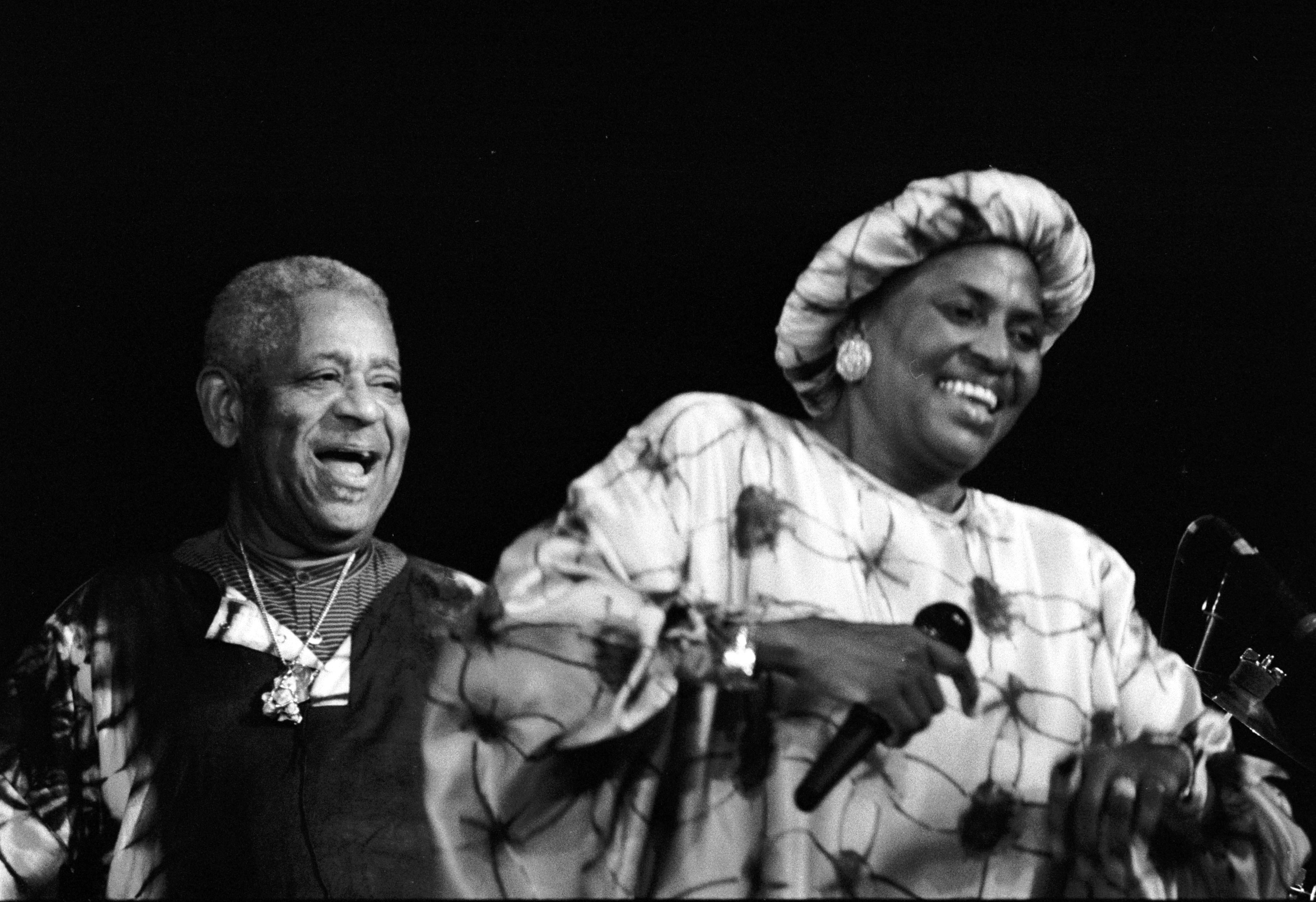

South Africa • Music • Resistance
Miriam Makeba: the life, the voice, the fight and the songs that carried a country
She wasn’t just “Mama Africa.” Miriam Makeba turned melody into diplomacy, language into pride, and the stage into a megaphone—taking South African sound to the world while apartheid tried to erase it at home.
Why she matters: Makeba made it normal for global audiences to hear African languages on prime-time TV, used international fame to push for pressure against apartheid, and became a symbol of cultural dignity in exile.
This piece includes a dynamic timeline + five embedded performances you can play instantly.
Why Miriam Makeba matters
Not “as a novelty,” but as pop culture.
She put African languages and South African styles on international radio and TV—decades before “world music” became a mainstream category.
The “click” wasn’t a gimmick.
When she taught audiences to say (and sing) Xhosa clicks, she was defending identity—one syllable at a time.
She spoke where it counted.
From the UN to concert halls, she helped force apartheid into the world’s moral spotlight—at personal cost.
One clean way to say it: Makeba did for South Africa what great political journalists do for a democracy—she made the truth impossible to ignore—except her tools were rhythm, story, and voice.
A life in chapters: voice, exile, return
1) The early voice: township choirs, jazz circuits, and grit
Miriam Makeba grew up in a South Africa designed to limit Black life—socially, economically, artistically. She sang early, worked young, and learned fast: how harmony works in a choir, how timing works in jazz, and how audiences listen when you tell the truth with your tone.
By the 1950s, she was already moving through professional music spaces—groups, shows, studios—where South African jazz met traditional songs and new urban styles. She didn’t “choose” one world; she braided them.
2) Breakthrough — and the price of being heard
The late 1950s and early 1960s are the hinge: international exposure arrives, and apartheid closes the door behind her. When her passport was cancelled, a working artist became an exile—and exile became the emotional engine behind so much of her work.
3) The world stage: turning concerts into consciousness
Makeba’s international career wasn’t only “success abroad.” It was cultural diplomacy. She performed for audiences who often knew little about apartheid—and left them knowing enough to care, to ask, to pressure.
4) The long middle: exile as a life, not an episode
Exile doesn’t pause your life; it rearranges it. Makeba lived, loved, lost, created, and kept going—across countries and decades— refusing to let distance turn into silence.
5) Return and late work: coming home without becoming quiet
When she finally returned, it wasn’t a victory lap. It was a homecoming with decades inside it. But she returned as a complete artist: still curious, still sharp, still insisting that culture and justice belong together.
Her sound: what made it different
Clicks, consonants, and the courage to stay authentic
Listen for: crisp click consonants and precise vowels (especially in Xhosa repertoire).
Why it matters: She refused “easy” translations that flattened meaning—teaching audiences to meet the language where it is.
Dance as storytelling, not decoration
Listen for: call-and-response, grooves that feel communal, and phrases that land like conversation.
Why it matters: A Makeba song often feels like a room full of people—not a solo act.
A voice that can smile and warn in the same line
Listen for: warmth + steel—she can sound playful and unshakable at once.
Why it matters: That emotional range is exactly why her “political” songs never feel like slogans.
Timeline (interactive, click on the text)
Built from a structured data list (easy to edit). Add, remove, or reorder entries in the script at the bottom.
Top 5 songs — play instantly
Pata Pata
Her most internationally recognised hit: bright, dance-forward, and deceptively deep—joy as cultural insistence.
Qongqothwane (The Click Song)
A masterclass in linguistic pride. The clicks are the point: “this is a language, not a sound effect.”
Soweto Blues
A protest song with a pulse—grief and defiance moving together, like a march that refuses to break.
Malaika
Tender and timeless. She turns romance into a story of distance, belonging, and gentle truth.
The Retreat Song (Jikele Maweni)
Traditional power, stage presence, and story—Makeba as cultural archivist and performer in one.
Legacy: what South Africa kept — and what it learned
Miriam Makeba matters to South Africa in the way certain names become bigger than biography. She represents a kind of national continuity: even when politics becomes violent and history becomes heavy, culture can keep a people recognisable to themselves.
Her legacy isn’t only “she was famous.” It’s that she proved South African identity could travel without asking permission, could speak in its own tongue, and could demand justice without surrendering beauty.
The hard truth: exile was not a metaphor for her. It shaped decades of real life.
That’s why her joyful songs still feel political: joy becomes a refusal to be erased.
More in Music & Icons
- Abdullah Ibrahim in 2026: A Living Legend Returns to Cape Town International Jazz Festival CTIJF
- How One Album Braided Protest and Beauty: An Evening with Belafonte/Makeba (1965)
- The 12 Most Legendary South African Songs Ever
- Another legend gone - Saying goodbye to Feya Faku
- Do you know South Africa's hottest jazz pianist Kyle Shepherd - Is he the new Abdullah Ibrahim?
- Maze of Melody: Tabu Ley Rochereau’s Timeless Soukous Anthem
You May Also Like

Cape Town Live Music 2026: Best Venues by Genre & Area
Music · Cape Town · 2026 Cape Town Live Music Guide: Best Venues by Genre + Neighbourhood Where to find jazz, amapiano, house, indie rock…
Read Article
Abdullah Ibrahim in 2026: A Living Legend Returns to Cape Town International Jazz Festival CTIJF
Editorial feature · capetowndata.com · March 2026 Photo courtesy of Patrick Scales, Wikimedia Commons, licensed under CC BY 3.0 CTIJF 2026 · Cape Jazz ·…
Read Article
Sun-EL Musician: Under the Sun, Album ReviewNew Music Releases South Africa 2026
Album Deep Dive • 2026 Sun-EL Musician Under the Sun A warm, immersive Afro-house journey built for golden hour drives, late-night dance floors, and headphone…
Read Article
New Music Releases South Africa 2026 | What to Stream Now
Music Guide 2026 New Music from South Africa Amapiano anthems, Grammy-winning popiano, Afro-house explorations, and the sounds shaping Mzansi in 2026 — with videos to…
Read Article
What is the difference between Amapiano and Kwaito: Explained
Photo courtesy of: meshugas, CC BY 2.0, via Wikimedia Commons South Africa • Music History • Genre Comparison What is the difference between Amapiano and…
Read Article