Quarterly Interim Safety Report for Cape Town (Oct–Dec 2025): What Changed, Where It Concentrated, and What Tourists Should Actually Do
January 3, 2026

Photo courtesy of: Daniel Manners (CC BY 2.0)

Cape Town • Safety • Consolidated Operational Report (Q4 2025 + Festive Season 2025/26)
Safety in Cape Town, Oct 2025–Jan 2026: What Changed, Where Risk Concentrated, and What Visitors Should Actually Do
Safety is the shadow of a record summer. From spring into peak season, Cape Town’s safety ecosystem ran its annual stress test: more staffing and enforcement in tourist corridors, steady opportunistic crime in “beautiful places” (lookouts, parking lots, trailheads), and the biggest high-impact danger most visitors underestimate—roads. As Cape Town International Airport processed 530,000+ arrivals in December, beaches generally benefited from saturation policing, while risk displaced to roads and transition zones.
Coverage Tourist corridors City Bowl + CBD Atlantic Seaboard + Beaches V&A Waterfront Table Mountain / Signal Hill / Lion’s Head Southern Peninsula day-trips
Headline takeaways: (1) The City leaned into visible, high-volume enforcement in December (public-space policing, road controls, alcohol enforcement), supported by a broader seasonal deployment footprint. (2) Opportunistic tourist crime clustered in transition zones—parking lots, trailheads, lookouts, late-night streets—especially where distraction is high. (3) The dominant high-impact risk remained road trauma: the festive period recorded 139 road fatalities in the Western Cape (Dec 1–Jan 11), with pedestrians heavily represented. (4) Vehicle-related theft tactics intensified: reported remote jamming / theft-from-vehicles rose ~18% year-on-year during the peak period.
Important scope note: This is not a report about township areas or informal settlements. Risk patterns there are different, and it would be irresponsible to fold them into a “tourist guide” lens. Also: South Africa’s official crime statistics are published separately (often later) by SAPS; this report uses publicly released operational updates, provincial road-safety figures, and documented incidents/tactics in tourist nodes.
1) The period in one scene
On a warm December evening, the Atlantic Seaboard looks like a postcard: joggers along the promenade, couples watching the sun drop behind Robben Island, cameras out at every turn. It’s also the time of year when the city’s safety system shifts into a higher gear—more patrols, more roadblocks, more enforcement, more “eyes on the ground”—because Cape Town’s summer is not just a season. It’s an annual stress test.
From October through early January, three forces shaped the tourist experience: (1) a visible push to staff up policing in hotspots, (2) steady opportunistic crime in “beautiful places” (lookouts, parking lots, trailheads), and (3) the hard arithmetic of the festive season on the roads.
2) The hard numbers (Oct–Dec 2025 + Festive Season 2025/26)
To cut through viral anecdotes, the indicators below compile the publicly released operational stats and road-safety reporting that directly shaped tourist experience.
Western Cape (Dec 1–Jan 11). Reported as ~15% lower year-on-year, but still the highest-impact risk for visitors.
Context: pedestrians made up a large share (reported around ~41%).
Seized from public spaces in December (reported as a major enforcement push to curb a key summer violence multiplier).
Year-on-year increase reported for theft-from-vehicles in peak season pressure; “lock blocking” remains a dominant tactic at scenic lookouts and parking nodes.
| Indicator (publicly released) | When | Volume / stat | What it means for visitors | Per-capita context (directional) |
|---|---|---|---|---|
| International arrivals (Cape Town Int’l) | December 2025 | 533,000+ arrivals | Density is high. Queues and crowded nodes (Cableway, Boulders, Waterfront) increase “pickpocket pressure” and distraction risk. | Not a crime count; a “pressure” driver. |
| Extra policing for peak season | Announced Oct 2025 | 136 additional Law Enforcement officers 300 cadets |
Targeted deployment across CBD, beaches, and tourist hotspots ahead of a record summer. | Capacity change, not an incident count. |
| Festive-season enforcement (City) | December 2025 | 264 arrests 52,520 fines/violations |
Visible order-maintenance approach: road controls, public-space policing, alcohol enforcement. | City pop ~4.77M → arrests ≈ 5.5 per 100k (month), fines ≈ 1,100 per 100k (month). |
| Alcohol confiscations (City) | One week in Dec 2025 | 4,634.69 L confiscated | Alcohol is a multiplier: disorder, assaults, injuries, drownings, and road trauma. | ≈ 97 L per 100k residents (week). |
| DUI / drunken driving arrests (Provincial) | Festive season reporting | 1,512 DUI arrests | Zero tolerance. Expect roadblocks on coastal routes and major arterials (incl. N1/N2). Plan for time and avoid driving impaired. | Directionally consistent with high seasonal enforcement. |
| Road deaths (Western Cape) | 1–16 Dec 2025 | 66 fatalities in 55 crashes | The road toll rises fast in peak season—even before year-end travel peaks. | WC pop ~7.63M → ≈ 0.87 deaths per 100k in 16 days (province). |
| Road deaths (Western Cape) | 22–28 Dec 2025 | 34 fatalities in 27 crashes (incl. 14 pedestrians) |
A single week showing who pays most: pedestrians (and then riders), before drivers/passengers. | ≈ 0.45 deaths per 100k in 7 days (province). |
| Festive road fatalities (Western Cape) | Dec 1–Jan 11 | 139 fatalities | Visitor translation: for day-trips and airport runs, roads are the most consistent, high-impact hazard. | Directional: highest-impact travel risk. |
| Mountain incidents (TMNP / tourist-relevant reporting) | Late 2025 | ~60 reported incidents | Stable vs 2024 in total volume, but tactics became more targeted (spotters + solo hikers + visible tech). | Local geography matters; treat hotspots as tactical, not “citywide.” |
| Remote-jamming / vehicle crime signal | Oct 2025 (example incident) | 1 suspect arrested after chase; vehicle flagged in a remote-jamming case | One arrest ≠ prevalence; it’s useful as a signal of tactics: cars + distraction + tourist rhythm. | Treat as a pattern indicator, not a solution. |
Population baselines used for per-capita context: City of Cape Town Census 2022 estimate (~4.77M) and Stats SA mid-year provincial estimate for Western Cape (~7.63M). Note: Census 2022 includes a reported undercount—treat per-capita values as directional, not surgical.
October was about staffing up; December was about enforcement volume and visible presence.
Risk concentrates in “in-between” moments—parking lots, trailheads, lookouts, late-night streets.
Road trauma is the most consistent, high-impact danger for visitors doing day-trips.
3) Map: tourist nodes & where risk concentrates
This is not a “red zone map.” Cape Town is not a board game. But tourist experiences do cluster—so do opportunistic tactics. The pins below mark places that repeatedly show up in visitor itineraries and in safety guidance: major parking nodes, scenic lookouts, trailheads, nightlife corridors, and transport routes.
Tap pins for context. Toggle layers for “lookouts & trails,” “vehicle/parking nodes,” “nightlife corridors,” and “road/transport routes.”
1) Assault & robbery: fast, close, and usually about devices
The incidents that rattle visitors tend to be compressed: a quick confrontation for a phone, watch, wallet, camera—often where people feel safest because the view is beautiful. Scenic lookout logic matters: Signal Hill at golden hour; a Lion’s Head descent in twilight; a quiet trailhead where the city feels far away.
2) Vehicle break-ins & remote jamming: the quiet crime of the parking lot
For tourists, this is often the highest-probability incident—and the most preventable. Remote jamming (lock blocking) turns rental cars into a harvest by exploiting distraction at scenic stops, malls, and high-throughput attractions. Reported pressure rose sharply into peak season, and specific incidents (including an October arrest tied to remote-jamming patterns) reinforced the tactic signal.
3) House break-ins: why this report treats them differently
Break-ins are highly local: street by street, building by building, alarm system by alarm system. A consolidated tourist report can flag the category, but it can’t responsibly declare neighborhoods “safe” or “unsafe” based on anecdotes.
4) Nightlife incidents: the street, not the venue
When nights go wrong, it’s often on the walk between places: phones out, attention low, alcohol high. That’s why “good venue, bad walk” is a real Cape Town pattern.
Even with strengthened seasonal enforcement across the city, Table Mountain National Park remains porous. Late-2025 patterns indicated a shift toward more targeted tactics: spotters at trailheads, focusing on solo hikers with visible tech.
- The “spotter” system: trailhead spotters identify solo hikers with visible electronics (phones out, cameras, Garmin watches).
- Time windows: incidents cluster around sunrise (05:30–07:00) and sunset (19:00–20:30)—exactly when visitors go for photos.
- Recurring nodes: Lion’s Head/Kloof Nek, Signal Hill spine, Pipe Track near Kloof Nek, and Silvermine Gate 1.
- Trend note: total incident volume was reported as broadly stable vs 2024, but the targeting became sharper.
- Start early, finish early. Twilight is beautiful—and riskier.
- Go in pairs or groups on well-used routes.
- Use known trailheads; avoid “shortcuts.”
- Keep devices discreet; don’t hike with visible jewelry.
- Don’t descend isolated paths after sunset.
- Don’t stop to “sort gear” at the trailhead parking lot.
- Don’t advertise valuables (camera on neck strap, phone in hand).
- Don’t assume “busy” equals “safe”—transition moments still matter.
Cape Town’s iconic experiences are day trips: Chapman’s Peak, Cape Point, Stellenbosch, Hermanus, the West Coast. That means time on unfamiliar roads, in wind, in rain, in holiday traffic—often with tired drivers, speeding, and alcohol in the mix. If you’re looking for the risk that “touches everybody,” this is it.
December reporting showed 66 deaths in 55 crashes (first 16 days of Dec), then 34 deaths in 27 crashes (22–28 Dec), including 14 pedestrians. Festive reporting across Dec 1–Jan 11 recorded 139 road fatalities, with pedestrians heavily represented.
High-speed route bordered by dense settlements; pedestrian crossings can be frequent and unpredictable, especially at night.
Advice: Avoid driving the N2 after midnight when possible. Avoid stopping on the shoulder.
If you have a flat tyre in a risky spot, prioritize getting to a safer, well-lit service station.
Scenic routes (Chapman’s Peak, Clarence Drive) can trigger lane drift and late braking when people sightsee.
Advice: “Driver drives; passenger looks.” Pull over at designated stops only.
- Drive in daylight when you can (especially unfamiliar routes).
- Avoid roadside stops on high-speed roads; don’t treat shoulders as picnic spots.
- Don’t treat scenic roads as racetracks—narrow bends, cyclists, wind, and tourists stopping unexpectedly.
7) A practical playbook for visitors (what works in Cape Town)
- Night = ride. Even “five minutes away.”
- Phone discipline: don’t stand still on the sidewalk with your phone out.
- ATM rule: use ATMs inside malls/banks; avoid curbside ATMs at night.
- Crowd rule: queues and hubs (Waterfront, Cableway) raise distraction risk—keep zips closed, valuables inside.
- Lock, then pull the handle (remote-jamming defense).
- Nothing visible in the car—ever, even empty bags.
- Don’t repack valuables in public (airport rental-car moment).
- Designated pull-offs only on scenic roads.
- Start early, finish early. Twilight is riskier.
- Go in pairs/groups on popular routes.
- Use known trailheads; avoid shortcuts.
- De-glam valuables: no jewelry, keep tech discreet.
- Prefer daylight driving and plan buffer time for roadblocks/traffic.
- Seatbelts always; don’t speed on bends.
- Avoid stopping on the shoulder on high-speed routes.
- Don’t drive impaired—enforcement is real.
8) Response protocols: if it happens to you
In the unlikely event of an incident, speed is your best asset. Here’s the practical local protocol.
- Immediate lock: use a companion’s phone for Find My / Google Device Manager to lock or wipe immediately.
- Bank block: banking apps are a prime target—call your bank’s fraud line right away.
- Case number (insurance): get a CAS number from SAPS (e.g., Central Police Station, Buitenkant St).
- Don’t rely on generic emergency routing first: it can be slow to route to mountain rescue.
- Call WSAR directly: 021 937 0300 (Wilderness Search and Rescue).
- Stay put: if lost, don’t attempt a ravine shortcut; stay on trail/high ground where you’re visible.
9) Methods, limitations, and how to read this
Why you don’t see a single “total robberies in Cape Town (Oct–Dec 2025)” number here: official crime statistics are published through separate national processes, often later and not aligned to tourist geographies. Instead, this report uses: (1) City operational releases (enforcement, arrests, fines, alcohol confiscations, staffing), (2) provincial road-safety reporting, and (3) documented incidents and tactical patterns relevant to tourists (e.g., remote jamming and trailhead targeting).
Per-capita context uses the City’s Census 2022 estimate (~4.77M) and Stats SA’s mid-year estimate for Western Cape (~7.63M). Census undercount warnings apply.
Neighbourhood deep-dive: For a street-level view of how these city-wide trends play out, see our Sea Point data-driven safety analysis (20 verified incidents, 2024–2026) and the interactive crime report.
10) Sources
Operational / institutional inputs (as referenced in the two originals):
- [A] City of Cape Town (Safety & Security Directorate): Festive Season Operational Wrap (Dec 2025) — deployment/enforcement outputs & alcohol confiscation totals.
- [B] Western Cape Government (Mobility Department): Festive Season Road Safety Statistics — includes fatality counts and pedestrian context for Dec–Jan reporting windows.
- [C] SANParks / Table Mountain Safety Forum: incident logs and public safety alerts relevant to TMNP nodes (Q4 2025).
- [D] Crime Stats SA (trend analysis): contextual comparisons for contact-crime trends in Cape Town Central precinct (used for background framing, not quarter totals).
Public links included in the original quarterly article:
- City of Cape Town – Census 2022 infographic (population baseline): https://resource.capetown.gov.za/documentcentre/Documents/Graphics%20and%20educational%20material/Census_2022_Infographic.pdf
- Africa Check – city populations + Census undercount context: https://www.africacheck.org/infofinder/explore-facts/how-many-people-live-south-africas-biggest-cities
- Stats SA – Mid-year population estimates (provincial baseline): https://www.statssa.gov.za/publications/P0302/P03022025.pdf
- SAnews (Gov) – City enforcement totals and alcohol confiscation figure: https://www.sanews.gov.za/south-africa/alcohol-confiscations-more-double-week
- Cape Argus – Oct 2025 peak-season deployment (136 additional officers; 300 cadets): https://capeargus.co.za/news/2025-10-28-city-ramps-up-law-enforcement-as-record-tourist-season-looms/
- Voice of the Cape – Oct 2025 remote-jamming-linked arrest after chase: https://vocfm.co.za/a-suspect-was-arrested-in-connection-with-remote-jamming-in-kirstenhof/
- EWN – Western Cape: 66 killed in 55 crashes in first 16 days of Dec 2025: https://www.ewn.co.za/sa-sees-20-reduction-in-road-fatalities-16-days-into-december-says-creecy/
- IOL (Cape Argus) – Western Cape: 34 fatalities in one week (22–28 Dec 2025): https://www.iol.co.za/capeargus/news/2025-12-30-urgent-call-for-road-safety-as-western-cape-records-34-fatalities-in-one-week/
- Cape Town ETC – context on recurring robbery concerns on Table Mountain (earlier 2025): https://www.capetownetc.com/news/safety-concerns-mount-as-table-mountain-faces-wave-of-robberies/
More in Neighborhood Safety Deep-Dives
- Is It Safe to Stay in Bloubergstrand, Cape Town? 2026 Safety Evaluation
- Is It Safe to Live in Walmer Estate, Cape Town? 2025–2026 Safety Guide
- Is Sea Point Safe for Tourists? A Data-Driven Analysis (2024–2026)
- Is It Safe to Live in Rondebosch, Cape Town?
- Is It Safe to Live in Oranjezicht, Cape Town?
- Cape Town Gangs: What Visitors Need to Know in 2026 | Safety Guide
You May Also Like

How much Organised Crime is in South Africa?
Data Analysis · South Africa Understanding South Africa’s Organised Crime Landscape, 2025–2026 From targeted killings and construction-sector extortion to a rising kidnapping economy and the…
Read Article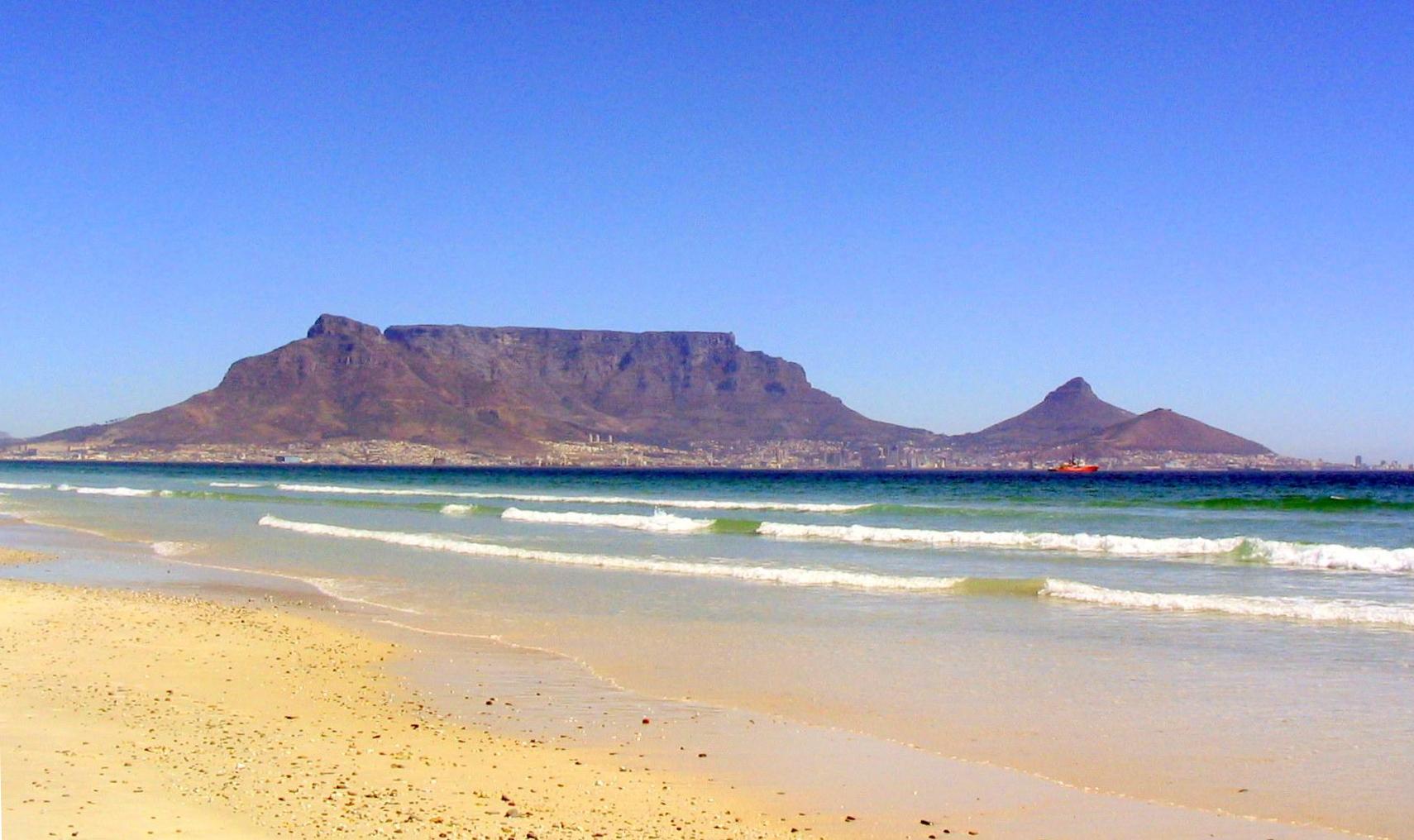
Is It Safe to Stay in Bloubergstrand, Cape Town? 2026 Safety Evaluation
Photo courtesy of Wikimedia Commons contributor, licensed under CC BY 3.0 Is It Safe to Stay in Bloubergstrand, Cape Town? | 2025–2026 Safety Guide Western…
Read Article
Is It Safe to Live in Walmer Estate, Cape Town? 2025–2026 Safety Guide
Photo courtesy of Axxter99, Wikimedia Commons, licensed under CC BY-SA 4.0 Is It Safe to Live in Walmer Estate, Cape Town? | 2025–2026 Safety Guide…
Read Article
Is Sea Point Safe for Tourists? A Data-Driven Analysis (2024–2026)
Is Sea Point Safe for Tourists? A Data-Driven Analysis (2025–2026) | Cape Town Data ◆ Data Analysis — February 2026 Is Sea Point Safe for…
Read Article
Is It Safe to Live in Rondebosch, Cape Town?
Photo courtesy of Zaian, Wikimedia Commons, licensed under CC BY-SA 3.0 Is It Safe to Live in Rondebosch, Cape Town? | 2025–2026 Safety Guide Southern…
Read Article