What NOT to Do in Cape Town – A Street-Smart Safety Playbook
June 11, 2025

Cape Town Safety Playbook 2026
Your street-smart guide to enjoying the Mother City safely. Practical tips to navigate Cape Town with confidence — think of this as honest advice from a local friend.
Cape Town is an incredible destination — stunning beaches, vibrant culture, and breathtaking landscapes. It's generally a welcoming city, but like any major metropolis, it comes with some safety challenges. This playbook will help you avoid common risks and enjoy the Mother City with peace of mind.
Street-Smart Basics
Being street-smart in Cape Town isn't much different from being savvy in any big city. The key is to stay aware and use common sense. Most visits are trouble-free, but petty crime like phone snatching can happen if you give crooks an easy opportunity.
"Stash it, don't flash it." Keep expensive phones, jewelry, and cameras secured and out of sight in public. Flaunting valuables or large wads of cash draws unwanted attention.
- Stay alert, not paranoid. Enjoy the city, but keep an eye on your surroundings. Don't get so lost in the views or your phone screen that you don't notice who's around you.
- Trust your instincts. If a situation or place feels "off," listen to that gut feeling. If a street looks deserted or sketchy, don't walk down it — especially at night.
- Keep your stuff secure. Use a cross-body bag or money belt for passport, cards, and cash. In crowded markets, consider wearing backpacks in front.
- Plan ahead. Know how you'll get where you're going and how you'll return. Standing around looking lost can make you a target. Save emergency numbers in your phone.
- Download essential apps before arrival. Get Uber, Bolt, and the Namola safety app set up while you still have good WiFi.
Cape Town has invested heavily in tourist safety. The central business district now has visible safety officers, increased CCTV coverage, and dedicated Tourism Safety and Support services. The city center has grown to be one of the most popular tourist destinations in the country.
Safe Neighborhoods vs. Areas to Avoid
Cape Town is a city of many neighborhoods, each with its own vibe. Some areas are very safe and tourist-friendly, while others are best avoided, especially if you're unfamiliar with them.
Safe and Tourist-Friendly Areas
V&A Waterfront
Contained area with CCTV, security patrols, and limited road access. Home to the Aquarium, Robben Island Museum, and 450+ shops. One of the safest spots, even in early evening.
Camps Bay and Clifton
Upscale beachfront neighborhoods with stunning Atlantic views. Great for families wanting safety and beauty combined. Flashy mansions and occasional celebrity sightings.
City Bowl and Gardens
Central area including downtown, Tamboerskloof, and Oranjezicht. Generally safe during the day with good tourist infrastructure. Stay aware at night.
Sea Point and Green Point
Popular promenade area with joggers, cyclists, and families. Active community with restaurants and cafes. Safe for walking during daylight hours.
Southern Suburbs
Newlands, Claremont, and Constantia offer calmer, upmarket residential vibes. Great for families with parks and wine estates nearby.
Simon's Town and Hout Bay
Charming coastal towns popular with visitors. Simon's Town has the famous penguin colony at Boulders Beach. Generally welcoming and safe.
Areas to Avoid
The Cape Flats and township areas have very high crime rates and should not be explored independently. This includes Khayelitsha, Nyanga, Mitchell's Plain, Gugulethu, Langa, and Hanover Park. If you're interested in township culture, go with a reputable guided tour in daylight only.
Cape Flats
Vast region with ongoing gang violence. Areas like Gugulethu and Philippi should be fully avoided by tourists.
Nyanga
Often cited as one of the most dangerous parts of Cape Town with high murder and assault rates.
Mitchell's Plain
Known for gang-related activities and high crime rates. Unsafe for visitors unfamiliar with the area.
CBD at Night
The central business district is fine by day but can get quiet and risky after office hours. Use Uber even for short distances after dark.
Hiking Safety
Cape Town's mountains are spectacular but remember they're part of the urban environment. There have been robberies on trails around Table Mountain, Lion's Head, and Signal Hill.
- Never hike alone on remote trails — join group hikes or free hiking clubs
- Go during peak times (weekends, mornings) when plenty of people are around
- Don't start late in the day or wander off-trail into quiet areas
- Leave valuables behind — bring only essentials
- Watch out for baboons — they can be aggressive. Don't feed them or leave food visible
Getting Around Safely
How you get from point A to B can determine a lot about your safety, especially after dark. Here's what works and what to avoid:
By Car or Rideshare
- Use Uber or Bolt — widely used, generally safe, and avoid fare haggling
- Keep doors locked and windows up — "smash-and-grab" thefts happen at traffic lights
- Hide all valuables — no bags, phones, or GPS visible on seats
- Stick to main highways from the airport (N2, M3) — avoid the R300 which passes through high-crime areas
- If bumped from behind in a deserted area, drive to a busy place or police station before stopping
- Double-check your car locked — thieves use remote jamming devices
Use guarded parking lots. Tip car guards (in reflective vests) a few rand. Never leave valuables in your car — if you must, lock them in the trunk before arriving so no one sees you hiding them.
Public Transport
MetroRail Trains
Avoid these. Violent attacks and muggings have occurred. Carriages can be empty and unreliable. Local authorities strongly caution against train use.
Minibus Taxis
Not recommended for visitors. Crowded white vans with reckless driving, no fixed schedules. Confusing routes and occasional pickpocketing.
MyCiTi Bus
Generally safe during the day. Cape Town's official city bus with security at major stations. Serves the airport, Atlantic Seaboard, and city center.
City Sightseeing Bus
Great for tourists. Hop-on-hop-off red buses with various routes to major attractions. Safe and convenient.
Walking Safety
- Daytime in tourist areas — generally enjoyable and safe (V&A Waterfront, Sea Point Promenade, Camps Bay)
- Keep bags zipped — even in nice areas, pickpockets operate
- Walk confidently — even if you're figuring things out, don't stand around looking lost
- Check maps inside shops rather than on the street
- Avoid headphones — stay aware of your surroundings
- Don't walk alone at night — if it's dark and quiet, grab a ride
- Don't walk through the CBD after dark — use Uber even for a few blocks
- Don't follow strangers offering "shortcuts" or special tours
Common Scams and How to Dodge Them
Every tourist destination has scams — Cape Town included. The good news is most are easy to avoid if you know what to look for.
ATM Scams
Scammers work in teams — one distracts while another skims your card or observes your PIN. They may rig the machine to trap your card. Use ATMs inside banks or malls with security nearby. Shield your PIN. If your card gets stuck, call your bank immediately — don't trust a stranger's advice.
"Friendly Local" Scams
Be wary if friendly conversation quickly turns into a sob story or plea for money. Common variants:
- Claims about needing money for baby formula, a train ticket, or lost wallet
- Someone "accidentally" spills something on you while an accomplice picks your pocket
- The "diapers for my baby" trick reported in Bo-Kaap and other areas
It's okay to say "Sorry, I can't help" and walk away.
Fake Guides and Tours
At tourist sites, you might encounter unofficial "guides" offering cheap tours. There have been cases of people posing as guides, then leading tourists off the main path where accomplices rob them.
- Use licensed tour guides — your hotel can recommend reputable companies
- Anyone legitimate will have ID badges or company affiliation
- Never follow a stranger into non-public areas or "shortcuts"
Fake "Official" Scams
If stopped by people in security uniforms claiming you need a "permit" or demanding payment:
- There's no tourist permit to walk around Cape Town
- Real police will show ID — ask for it
- Real fines are paid at police stations, not in cash on the street
- If something feels off, say you'd like to verify at the nearest police station
Taxi Overcharging
- Don't jump into unmarked vehicles labeled "taxi"
- Confirm a fixed price before the trip or ensure the meter is running
- Use official taxi counters at the airport or stick to Uber/Bolt
- Don't let a driver take your luggage before you've agreed on the fare
Nightlife Safety
Don't leave drinks unattended. Don't accept drinks from strangers that you didn't see poured. If you feel unusually dizzy after little alcohol, get to a safe place immediately. Always plan your transport home before going out.
Accommodation Fraud
Fake vacation rentals exist online — beautiful photos, great price, but the place doesn't exist.
- Book through reputable sites (Airbnb, Booking.com)
- If a deal looks too good to be true, it probably is
- Never wire money to a private account for a booking
- Verify properties through Cape Town Tourism if unsure
Family Travel Safety
Cape Town is fantastic for families — from the Two Oceans Aquarium to the penguins at Boulders Beach. A few extra precautions will keep everyone happy:
- Keep kids close in crowds — hold hands or use child leashes in busy markets. Have a plan if you get separated ("find a uniformed guard or a mom with kids").
- Don't let kids carry valuables — thieves don't discriminate. Keep passports and money yourself.
- Choose gated accommodations — hotels or apartments with security features (alarms, burglar bars) are common and recommended.
- Car seats are required for children under 3 — some rental companies provide them.
- Beach safety — only swim where there are lifeguards. The Atlantic is cold with strong currents. Pay attention to Shark Spotter flags (green means all clear). Apply high SPF sunscreen liberally — the UV is fierce.
- Carry ID for young children — a card with your phone number speeds up reunions if they get lost.
Cape Town has excellent private hospitals and clinics. Tap water is safe to drink. Keep a small first aid kit and have travel insurance that covers the whole family.
Solo Travelers and Digital Nomads
Cape Town consistently ranks as a top destination for solo travelers and digital nomads. It's scenic, full of friendly people, and has plenty of co-working spaces and cafes.
For Solo Travelers
- Stay connected — let someone know your plans, share your live location via WhatsApp
- Blend in and be confident — walking confidently deters trouble, even if you're momentarily lost
- Trust but verify new friends — don't leave your drink with new acquaintances
- Night outings — pick venues with good security, keep some cash for a cab, never walk home alone
- Female solo travelers — many women travel Cape Town safely. Stay at places with 24-hour staff, be aware of overly persistent strangers
For Digital Nomads
- Cafe safety — never leave your laptop unattended, even for a bathroom break. Keep bags on the side away from the street.
- Use a VPN on public WiFi. Get a local SIM — they're cheap and give you data for maps and emergency calls.
- Long-term rentals — check for basic security (good locks, alarm, barred windows if ground floor)
- Keep up safety habits — don't get complacent as you settle in
- Mix up your routines — avoid predictable patterns when jogging or commuting
Great news! As of January 2026, South Africa has experienced over 300 consecutive days without load shedding. Eskom projects no blackouts through March 2026. While some cafes have backup power, you likely won't need to plan around outages anymore.
Emergency Contacts
Specialized Emergency Numbers
Mountain Rescue
For hiking emergencies on Table Mountain and surrounds
Sea Rescue (NSRI)
National Sea Rescue Institute for ocean emergencies
Baboon Monitors
For aggressive baboon encounters in Cape Point or residential areas
Shark Spotters
For shark sightings and incidents at beaches
Tourism Support (Band-Aid)
24/7 help for tourists in distress, lost documents, emergency accommodation
CTT Emergency WhatsApp
Cape Town Tourism 24-hour emergency line
Essential Safety Apps
Namola
Free safety app partnered with Cape Town Tourism. One tap alerts police using your GPS location. Download before you arrive.
Uber and Bolt
Essential for safe transport. Enable safety features to share trips with contacts. Use the emergency assistance button if needed.
Ubiquitous in South Africa. Stay in touch with hosts, share live location with friends, join neighborhood safety groups.
Google Maps (Offline)
Download Cape Town maps offline. Prevents getting lost without signal and accidentally ending up in the wrong area.
Quick Dos and Don'ts
The Bottom Line
Cape Town is an amazing place that captures the hearts of millions of visitors each year. While it has its challenges, the vast majority of trips are wonderful and incident-free. Being safe doesn't mean being scared — it means being street-smart.
Go enjoy that sunset on Signal Hill (with friends), hike Table Mountain (on a popular trail, during the day), savor the world-class food and wine (while keeping an eye on your belongings), and dance the night away (then rideshare home). Cape Town is ready to show you an incredible time.
More in Safety Playbooks & Tools
You May Also Like
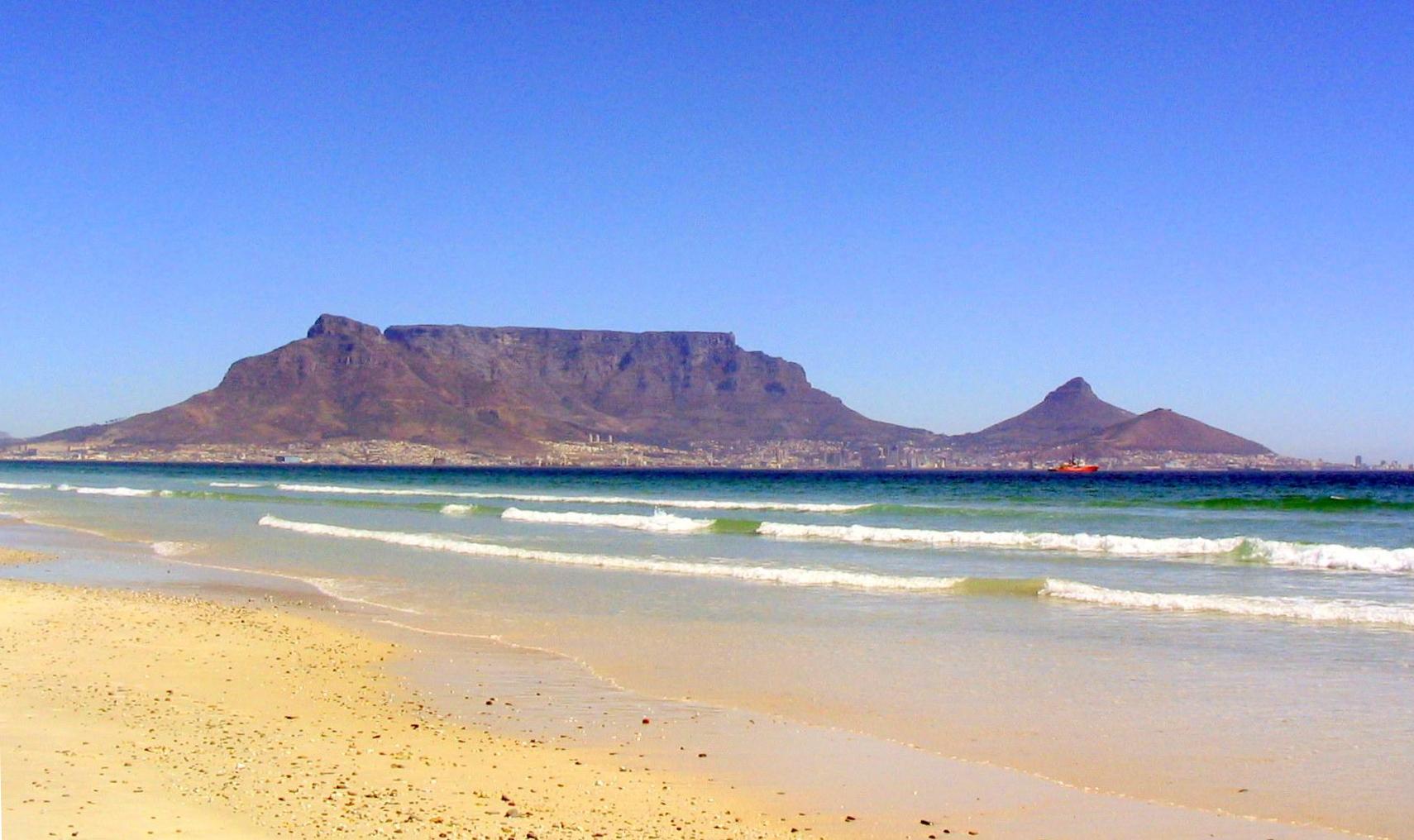
Is It Safe to Stay in Bloubergstrand, Cape Town? 2026 Safety Evaluation
Photo courtesy of Wikimedia Commons contributor, licensed under CC BY 3.0 Is It Safe to Stay in Bloubergstrand, Cape Town? | 2025–2026 Safety Guide Western…
Read Article
Is It Safe to Live in Walmer Estate, Cape Town? 2025–2026 Safety Guide
Photo courtesy of Axxter99, Wikimedia Commons, licensed under CC BY-SA 4.0 Is It Safe to Live in Walmer Estate, Cape Town? | 2025–2026 Safety Guide…
Read Article
Is Sea Point Safe for Tourists? A Data-Driven Analysis (2024–2026)
Is Sea Point Safe for Tourists? A Data-Driven Analysis (2025–2026) | Cape Town Data ◆ Data Analysis — February 2026 Is Sea Point Safe for…
Read Article
Is It Safe to Live in Rondebosch, Cape Town?
Photo courtesy of Zaian, Wikimedia Commons, licensed under CC BY-SA 3.0 Is It Safe to Live in Rondebosch, Cape Town? | 2025–2026 Safety Guide Southern…
Read Article
Is It Safe to Live in Oranjezicht, Cape Town?
Photo courtesy of Hansueli Krapf, Wikimedia Commons, licensed under CC BY-SA 3.0 Is It Safe to Live in Oranjezicht, Cape Town? | 2025–2026 Safety Guide…
Read Article