Ever heard of Cape Jazz? Discover the unique Cape Town Jazz Music Scence
May 15, 2025
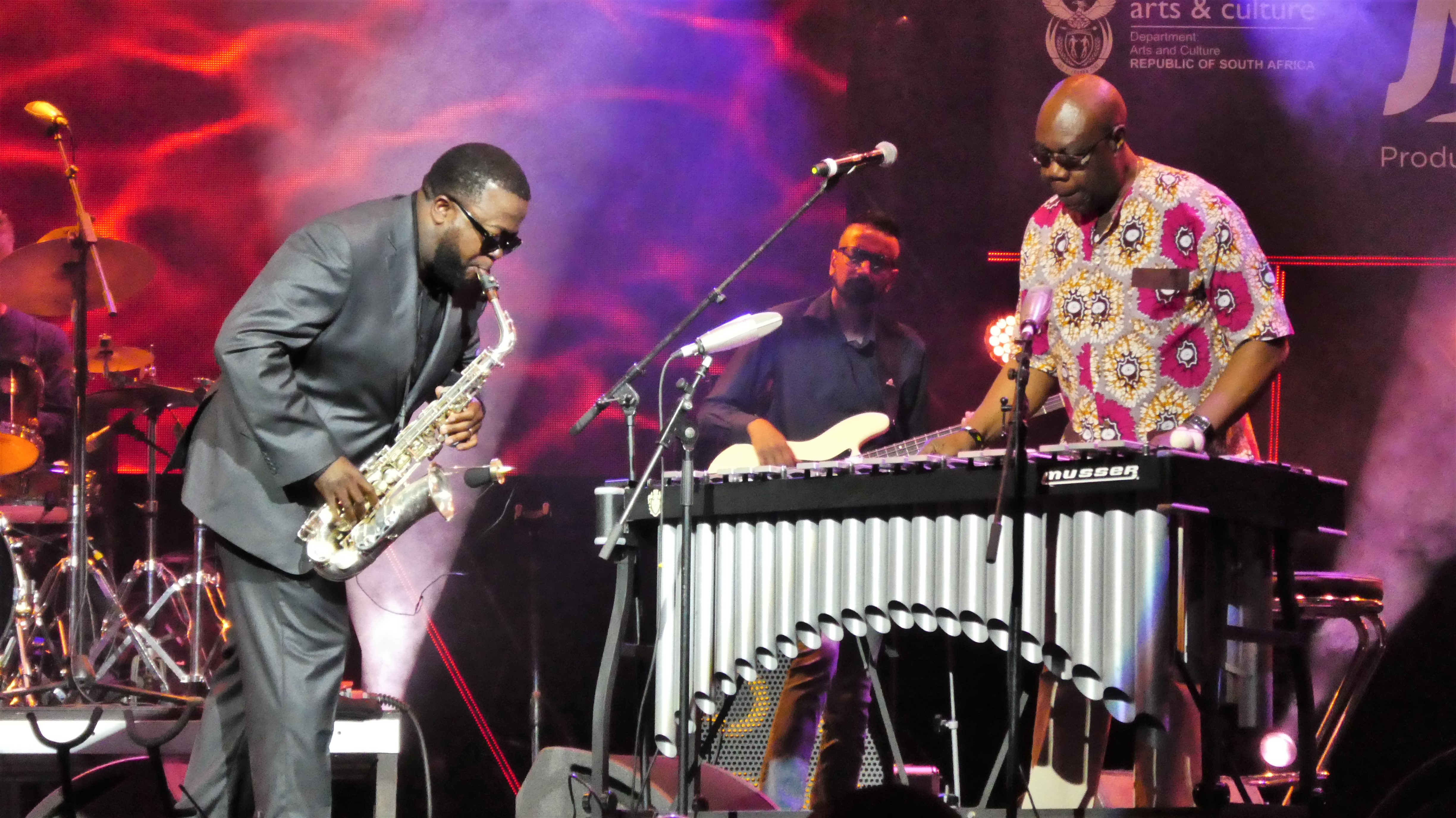
Photo: JCPBFerreira, CC BY-SA 4.0, via Wikimedia Commons
Cape Town • Music • Culture
What is Cape Jazz? The Mother City's Sound — And Where to Hear It Live
Cape Jazz is South African jazz with a distinctly Cape Town character. It blends the global jazz vocabulary with local rhythms—particularly the goema beat tied to the city's carnival traditions—creating a sound that's equal parts sophisticated and street-level. This post explains what makes Cape Jazz distinctive, traces its history, and tells you where to hear it live in 2026.
The short version: Cape Jazz is jazz that learned to dance. It carries the sound of Cape Town's streets, choirs, carnival drums, and late-night jam sessions—a global language with a distinctly local accent.
1. Why Cape Jazz matters
It's a city's memory in rhythm
Cape Jazz carries the sound of communities that kept dancing, singing, and jamming through difficult history—then turned survival into artistry.
It's jazz that feels communal
You can hear the "room" in Cape Jazz. Call-and-response energy, party-meets-prayer harmony, grooves built for gatherings rather than solo showcases.
It's Cape Town's musical accent
American jazz arrived by record and radio. In Cape Town, it fused with goema rhythms, local melodies, and carnival swing to become something new.
The vibe test
If the tune makes you want to clap on the off-beat, grin like you're in on the joke, and move like the street is part of the band—you're in Cape Jazz territory.
2. What is Cape Jazz, exactly?
Cape Jazz is a South African jazz style strongly associated with Cape Town. It blends global jazz language—swing, bebop harmony, improvisation—with Cape Town's local musical DNA, especially the goema pulse that links back to the city's carnival traditions.
The term "goema" refers both to a drum and to a feel: a rolling, danceable beat that gives Cape Jazz its distinctive bounce. If you're new to the sound, listen for the way the rhythm seems to smile—even when the story underneath is heavy.
A note on spelling
You'll see both "goema" and "ghoema" in print. They refer to the same thing—a Cape Town rhythmic tradition with roots in the city's diverse cultural history.
3. The sound: three signatures you can hear
Even if you don't consider yourself a jazz listener, these three elements are easy to pick out once you know what to listen for.
Rhythm
The goema swing
Listen for: A rolling groove that feels like carnival—lighter on its feet than straight-ahead American swing.
Why it matters: It's the Cape's fingerprint. Your body hears it before your brain labels it.
Melody
Tunes you can hum
Listen for: Singable themes with a folk-ish quality, often sounding like street songs—then the band takes them somewhere unexpected.
Why it matters: Cape Jazz invites you in first, then dazzles you with improvisation.
Energy
Call-and-response
Listen for: Riffs that feel like conversation—phrases answered by drums, horns, claps, or voices.
Why it matters: Cape Jazz grows out of gatherings. Jam culture is the tradition, not a side project.
4. A short history
Cape Town's jazz story is a long braid of influences: ports and records, choirs and carnivals, dance halls and townships, and generations of musicians turning everyday sound into artistry.
Cape Town hears new sounds through the docks
As a major port city, Cape Town absorbed music through sailors, touring acts, and imported records—long before streaming made influence instant. This cultural mixing became the city's musical superpower.
Jazz becomes social music
Jazz isn't just listened to; it's danced to. Local musicians adapt what they hear into what their crowds want to move to. Parties, halls, and neighbourhood bands become incubators for a local jazz feel.
The goema feel enters jazz
The goema rhythm—tied to Cape Town's carnival traditions—becomes a defining fingerprint in the emerging Cape Jazz sound. This is where the "Cape accent" crystallises: swing that shuffles differently.
A recognisable Cape Town jazz identity emerges
Musicians in District Six, the Cape Flats, and city venues shape a sound that's jazz-informed but distinctly Cape Town in rhythm, melody, and social energy. Cape Jazz becomes more than influence—it becomes a tradition.
"Mannenberg" becomes a cultural touchstone
Abdullah Ibrahim's "Mannenberg" enters the world as a track that many treat as a Cape Town jazz anthem. It demonstrates the Cape Jazz trick: joy and ache in one groove, like the city itself.
The tradition continues through jams, festivals, and new voices
Cape Jazz stays alive through education, festivals, jam sessions, and cross-genre collaborations. The sound isn't locked in a museum—it's rehearsed, argued over, and played nightly.
5. Key figures
These are names you'll encounter repeatedly when exploring Cape Jazz. They represent different facets of the tradition.
Abdullah Ibrahim
Composer and pianist with a global footprint and deep Cape Town roots. If Cape Jazz has an anthem people discuss at 2am, it's probably his "Mannenberg." Also known by his earlier stage name, Dollar Brand.
Basil Coetzee
The tenor saxophone voice on "Mannenberg" is part of Cape Town's emotional vocabulary. A pillar of the Cape sound: soulful, direct, unmistakably local.
Winston "Mankunku" Ngozi
A major South African jazz voice whose work became standard repertoire. When you hear a horn line that feels like a story being told, you'll understand why people speak of him with reverence.
Robbie Jansen
Often cited when describing Cape Jazz as a living, dancing, street-level sound. Flute, saxophone, and that unmistakable Cape bounce—his playing captured something essential about the city.
An important nuance
"Cape Jazz" isn't a closed club with one membership card. It's a tradition—musicians borrow from it, argue with it, remix it, and keep it alive.
6. The scene today
If you want the real Cape Town jazz experience, don't only chase big names. Chase the jam sessions. That's where the city teaches you how it hears itself—one chorus at a time.
Are You Jazz? at Woodstock Hub
A monthly jam space built for newcomers and professionals alike, backed by a live band. You'll hear the scene in real time—who's hungry, who's playful, who's brilliant.
Use a gig guide
Jazz is alive, which means schedules move. A rolling gig guide saves you from stale "Top 10" lists. The Cape Town Jazz Gig Guide is consistently updated and worth bookmarking.
7. Where to hear live jazz
About The Crypt
The Crypt Jazz Restaurant was a legendary Cape Town spot, but it's currently listed as closed. If you were searching for it, that's why you can't find tonight's listings. The venues below are reliable alternatives.
A practical shortlist of places that run regular live jazz, host jams, or consistently appear in gig listings. Tap "Map" to navigate.
Incognito Bar at The Alphen
Recurring jazz evenings. Booking often essential.
The Pink Room at Gorgeous George
Intimate jam sessions spotlighting local musicians.
Woodstock Hub
Monthly "Are You Jazz?" nights. Dates announced on social media.
The House of Machines
Frequent live music programming; genre varies by night.
Local tip
If you're choosing between a famous venue and a good band, choose the band. Cape Town jazz is band-led.
8. Festivals and major events
Cape Town International Jazz Festival
27–28 March 2026A major annual event at the Cape Town International Convention Centre, featuring international and local acts across multiple stages.
Cape Town Jazzathon
9–11 January 2026A free-entry summer festival centred on local talent and community, held at the V&A Waterfront Amphitheatre.
For a deeper experience: Coffeebeans Routes Jazz Safari
A guided, intimate experience that includes meeting local musicians and hearing live sets in personal spaces. You learn the city through the music—stories, people, and sound in one evening.
9. Essential listening
These are entry points, not a definitive syllabus. Cape Jazz is bigger than any list, but a good first five gets your ears calibrated.
Abdullah Ibrahim — "Mannenberg"
Often treated as the Cape Town jazz anthem: groove, longing, and lift-off in one track.
Winston Mankunku Ngozi — "Yakhal'inkomo"
A classic South African jazz statement—deep, spiritual, with an unforgettable horn voice.
A goema-leaning Cape groove
Listen for the bounce—this is where Cape Jazz starts smiling. The Robbie Jansen influence is strong here.
A Cape Town jam session snapshot
The scene in action—improvisation, community, and relaxed Cape City Centre energy at Openwine.
A modern Cape Town live set
Cape Jazz is tradition and present tense. Don't skip the current generation.
10. Summary table
📱 On mobile? This table is best viewed in landscape mode.
| Name | Type | Area | Best for | Map |
|---|---|---|---|---|
| The Blue Room | Venue | City Centre | Regular live music in a proper listening space | Map |
| Openwine | Jam | City Centre | Sunday Jazz Jam, relaxed crowd | Map |
| Incognito Bar | Venue | Constantia | Recurring jazz evenings, book ahead | Map |
| Asoka | Venue | Gardens | Weeknight jazz energy | Map |
| Amber on Bree | Venue | City Centre | Live jazz with food and cocktails | Map |
| The Piano Bar | Jazz bar | De Waterkant | Classic sit-and-listen atmosphere | Map |
| Woodstock Hub | Jam | Woodstock | Monthly jam culture, new talent | Map |
| The Pink Room | Jam series | City Centre | Intimate jams, serious players | Map |
| Cape Town Jazz Gig Guide | Resource | Online | Always-updated listings | Open |
11. Sources
Jazz schedules change frequently. These links are chosen because they're either official pages or consistently updated listings.
More in Music & Icons
- Abdullah Ibrahim in 2026: A Living Legend Returns to Cape Town International Jazz Festival CTIJF
- Miriam Makeba: the life, the voice, the fight and the songs that carried a country
- How One Album Braided Protest and Beauty: An Evening with Belafonte/Makeba (1965)
- The 12 Most Legendary South African Songs Ever
- Another legend gone - Saying goodbye to Feya Faku
- Do you know South Africa's hottest jazz pianist Kyle Shepherd - Is he the new Abdullah Ibrahim?
You May Also Like

Cape Town Live Music 2026: Best Venues by Genre & Area
Music · Cape Town · 2026 Cape Town Live Music Guide: Best Venues by Genre + Neighbourhood Where to find jazz, amapiano, house, indie rock…
Read Article
Abdullah Ibrahim in 2026: A Living Legend Returns to Cape Town International Jazz Festival CTIJF
Editorial feature · capetowndata.com · March 2026 Photo courtesy of Patrick Scales, Wikimedia Commons, licensed under CC BY 3.0 CTIJF 2026 · Cape Jazz ·…
Read Article
Sun-EL Musician: Under the Sun, Album ReviewNew Music Releases South Africa 2026
Album Deep Dive • 2026 Sun-EL Musician Under the Sun A warm, immersive Afro-house journey built for golden hour drives, late-night dance floors, and headphone…
Read Article
New Music Releases South Africa 2026 | What to Stream Now
Music Guide 2026 New Music from South Africa Amapiano anthems, Grammy-winning popiano, Afro-house explorations, and the sounds shaping Mzansi in 2026 — with videos to…
Read Article
What is the difference between Amapiano and Kwaito: Explained
Photo courtesy of: meshugas, CC BY 2.0, via Wikimedia Commons South Africa • Music History • Genre Comparison What is the difference between Amapiano and…
Read Article