Rainbow-colored Bo-Kaap, Cape Town: Safety and Etiquette
April 5, 2025


Is It Safe to Live in Bo-Kaap, Cape Town?
Cape Town's most iconic heritage neighbourhood: 260+ years of living Cape Malay culture on Signal Hill's slopes, navigating gentrification pressures, a booming property market, and the realities of the Cape Town Central precinct.
Suburb Overview
Bo-Kaap — meaning "Upper Cape" in Afrikaans — clings to the lower slopes of Signal Hill just above Cape Town's central business district. It is Cape Town's oldest surviving residential neighbourhood, with origins stretching back to the 1760s when Jan de Waal built rental houses ("huurhuisjes") for enslaved people brought from Malaysia, Indonesia, India, and East Africa by the Dutch East India Company. Over generations, a distinctive Cape Malay culture blossomed here — a rich blend of Southeast Asian, African, and local influences that remains vibrantly alive today.
The neighbourhood's signature rainbow-coloured houses are its global calling card. During apartheid, all homes were required to be painted white; only after democracy in 1994 did residents repaint them in bold pinks, blues, greens, and yellows — a powerful statement of freedom and identity. Today these cobblestoned lanes, Georgian and Cape Dutch terraces, and the melodic call to prayer from 11 mosques make Bo-Kaap one of Cape Town's most visited and photographed neighbourhoods.
To the east lies the CBD and Bree Street corridor, a five-minute walk of restaurants, offices, and transport links. To the north, De Waterkant offers a more upscale, gallery-filled streetscape. Above, Signal Hill provides panoramic sunset viewpoints and the daily Noon Gun — fired since 1806. Together, these neighbours give Bo-Kaap residents and visitors an enviable mix of heritage character and urban convenience.
Bo-Kaap on the Map
Bo-Kaap sits on Signal Hill's lower slopes, bordering the CBD to the east and De Waterkant to the north.
Highlights to Explore
🕌 Auwal Mosque
South Africa's first mosque, established in 1794 by Imam Tuan Guru. Inside is a hand-written Quran, penned from memory during his imprisonment on Robben Island. Respectful visitors may enter between prayers.
🏛️ Bo-Kaap Museum
Housed in the neighbourhood's oldest building (c.1768) at 71 Wale Street, this Iziko museum details Cape Malay heritage, slavery history, and Islamic life at the Cape. Entry just R10.
🌿 Atlas Trading Company
Operating since 1946 at 94 Wale Street, this legendary spice shop sells masala mixes, cardamom, turmeric, and chilli by the scoop. The aromas alone are worth the visit — a Bo-Kaap institution.
🍽️ Bo-Kaap Kombuis
Authentic Cape Malay restaurant at 7 August Street with unbeatable views of Table Mountain. Try the bobotie, denningvleis, or koesisters. Halal and family-friendly.
📸 Chiappini Street
The most photographed street in South Africa. Rows of vividly painted houses in every colour imaginable, with Lion's Head as the backdrop. Visit early morning for the best light and fewer crowds.
⛰️ Tana Baru Cemetery
Founded in 1804, the first Islamic burial ground in Cape Town. A quiet, reflective space on the slopes above Bo-Kaap with panoramic city views. Several kramats (holy shrines) dot the hillside.
🎓 Faeeza's Cooking Experience
Learn to make roti, samoosas, and fragrant curries in a Bo-Kaap family home on Yusuf Drive. Faeeza has welcomed visitors for years — an intimate window into Cape Malay culinary traditions.
🛍️ Bo-Kaap Market
Launched September 2025 at Pentz Street & Yusuf Drive, this community-driven trading hub operates daily 10:00–19:00. Local food, crafts, and cultural goods — designed to keep tourism revenue within the community.
Safety & Security (2025–2026)
Overall Safety Rating: 6.5 / 10
Bo-Kaap falls under the Cape Town Central SAPS precinct, one of the busiest in the country. This precinct recorded 3,332 serious crimes in Q4 2023/24 (January–March 2024), ranking it number one nationally for common robbery (468 incidents) and first for drug-related crime (1,487 cases). However, it's critical to understand that these numbers cover a vast footprint — the entire CBD, Foreshore, Woodstock, Zonnebloem, and De Waterkant — not just Bo-Kaap.
Station commander Brigadier Gerda van Niekerk noted that the second half of 2024 showed decreasing crime trends across the precinct, with proactive policing and the City Central Improvement District (CCID) contributing to reduced theft and robbery within their 1.6 km footprint. Bo-Kaap's own crime profile is dominated by property crime — vehicle break-ins, theft from parked cars (especially on narrow residential streets where houses lack garages), and occasional house burglaries — rather than violent contact crime.
Sub-Zone Safety Breakdown
Upper Bo-Kaap (Signal Hill Slopes)
Quiet, steep residential streets above Strand Street. Strong community presence, fewer tourist crowds. House break-ins are the primary concern, particularly homes without alarm systems. The Neighbourhood Watch patrols focus heavily here.
Heritage Core (Chiappini/Wale)
The most visited area — tourist foot traffic is high during daylight. Pickpocketing and opportunistic phone-snatching are the main risks. City Law Enforcement Tourism Unit deploys daily. Safe during the day; quieter and less safe after dark.
Lower Bo-Kaap (CBD Edge)
Where Bo-Kaap meets Buitengracht and Strand Street — the transition zone into the CBD. Higher foot traffic, drug loitering, and opportunistic theft. Van Der Meulen Street has been flagged as a crime hotspot. More exposed to CBD-spillover crime.
Nighttime (All Zones)
Bo-Kaap is significantly less safe after dark. Locals and travel experts consistently advise against walking alone at night. Residential break-ins spike during evening hours. Take an Uber for any nighttime transit; avoid unlit alleys.
Community Safety Infrastructure
The Bo-Kaap Neighbourhood Watch (BKNW) operates with 12 volunteer patrollers, including one woman, conducting late-night patrols. Chairman Ebrahim Christians has noted that recruiting additional volunteers remains a challenge. The Bo-Kaap Civic and Ratepayers Association (BKCRA), led by Osman Shaboodien, coordinates with police and advocates for community safety — though disagreements with some residents over the role of private security have surfaced since the March 2024 shooting incident involving a private security officer.
The City of Cape Town's Law Enforcement Tourism Unit deploys officers to Bo-Kaap daily, particularly around Chiappini and Rose streets. Metro Police maintain a regular presence, and the CCID's security footprint covers the CBD border areas. Cape Town Central SAPS station is located in Buitenkant Street, approximately 1.5 km from Bo-Kaap's centre.
Recent Incidents
Safety Tips for Bo-Kaap
🌞 Daytime Visitors
Bo-Kaap is generally safe during daylight. Keep cameras tucked away unless photographing. Avoid flashing phones at intersections near Buitengracht. Stay on main streets (Wale, Chiappini, Rose). Join a guided walking tour for deeper insight and added security.
🌙 After Dark
Avoid walking alone at night — take an Uber or Bolt. Side streets are poorly lit and quieter than they appear. If you live here, install an alarm system and sensor lights. Lock vehicles; never leave valuables visible. The BKNW patrols late-night but coverage is limited.
🏠 Residents
Join the Bo-Kaap Neighbourhood Watch WhatsApp group. Report suspicious activity to SAPS Cape Town Central (021 467 8000) or Crime Stop (08600 10111). Install burglar bars on ground-floor windows. Know your neighbours — the community network is your best alarm system.
🤝 Respect & Etiquette
Bo-Kaap is a living neighbourhood, not a theme park. Ask permission before photographing residents. Dress modestly near mosques (cover shoulders/knees). Avoid loud noise during prayer times. Many eateries are halal and don't serve alcohol.
Daily Life & Attractions
Shopping & Dining
Bo-Kaap Kombuis, Biesmiellah (institution since the 1960s), and the new Bo-Kaap Market for daily fresh produce and crafts. Atlas Trading Company for spices. The CBD's Bree Street restaurants are a 5-minute walk. Gardens Shopping Centre and V&A Waterfront are both under 10 minutes by car.
Education & Faith
The Auwal Mosque leads 11 mosques serving the community. United Herzlia Schools (primary & high) lie just uphill in Vredehoek. Tamboerskloof Primary and Cape Town High School are nearby. University of Cape Town (UCT) and CPUT are within 15 minutes by car.
Parks & Nature
Signal Hill is Bo-Kaap's backyard — sunset viewpoints, paragliding launch sites, and the daily Noon Gun. Tana Baru Cemetery offers reflective walks. The Green Point Urban Park and Sea Point Promenade are a short drive or 20-minute walk via De Waterkant.
Transport & Access
MyCiTi bus routes serve the area via stops on Strand Street and Buitengracht. The CBD is walkable in 5–10 minutes. Cape Town International Airport is ~20 minutes by car. Parking is scarce — streets are narrow and steep. Most residents rely on one vehicle plus Uber/Bolt.
Historical & Cultural Overview
Bo-Kaap's story begins in the 1760s, when Jan de Waal purchased land on Signal Hill's slopes and built rental houses for enslaved people brought to the Cape by the Dutch East India Company. These early residents — from Malaysia, Indonesia, India, Sri Lanka, and East Africa — were predominantly Muslim, and Bo-Kaap became the cradle of Islam in South Africa. The Auwal Mosque, established in 1794 by Imam Abdullah ibn Qadi Abd al-Salam (known as Tuan Guru), remains the country's oldest mosque.
After the abolition of slavery in 1834, freed slaves settled in Bo-Kaap in greater numbers, creating the distinctive Cape Malay community. A unique Afrikaans dialect emerged — blending Dutch, Portuguese, and Malay. The cobblestoned streets filled with Cape Dutch and Georgian terraced houses, and traditions like the Kaapse Klopse (Cape Minstrel Carnival) and rampie-sny (orange-leaf cutting) became part of the cultural fabric.
During apartheid, Bo-Kaap was designated a "Malay-only" area under the Group Areas Act of 1950. Unlike District Six, which was bulldozed, Bo-Kaap survived — partly because its residents were classified as "Coloured" rather than "Black" under apartheid's racial hierarchy, and partly through fierce community resistance. All houses were forced to be painted white for decades. After 1994, residents reclaimed their identity by painting their homes in the bold rainbow palette that has become Bo-Kaap's global signature.
In 2019, Arts and Culture Minister Nathi Mthethwa declared 19 Bo-Kaap sites as National Heritage Sites, and the area was established as a Heritage Protection Overlay Zone — providing formal planning protections against inappropriate development. Yet the battle between preservation and commercialisation continues, with the Bo-Kaap Civic and Ratepayers Association actively fighting gentrification, Airbnb proliferation, and large-scale hotel proposals.
1760s — Jan de Waal builds first rental houses for enslaved workers
1794 — Auwal Mosque established by Tuan Guru
1834 — Abolition of slavery; freed slaves settle in Bo-Kaap
1946 — Atlas Trading Company opens (still operating today)
1950 — Group Areas Act designates Bo-Kaap as "Malay-only"
1978 — Bo-Kaap Museum opens at 71 Wale Street
1994 — Democracy; residents repaint houses in rainbow colours
2019 — 19 National Heritage Sites declared; Heritage Overlay Zone
2025 — Bo-Kaap Market launches; hotel controversy near Auwal Mosque
Property Market (2025–2026)
Bo-Kaap's property market reflects its unique position: a heritage-protected neighbourhood in the heart of Cape Town's most desirable postcodes. Cape Town's property market is showing steady 4–5% annual growth as of late 2025, with the average property price citywide sitting at R2 million. Bo-Kaap significantly exceeds this average, driven by its City Bowl location, heritage character, and views of Table Mountain, Lion's Head, and the harbour.
Rental Snapshot
Traditional Rentals
Studio/1-bed: R8,000 – R14,000/month
2-bed: R15,000 – R25,000/month
3-bed: R22,000 – R40,000/month
Gross yields: 5–7% for long-term tenants.
Short-Term / Airbnb
Furnished units command significantly higher yields, with Airbnb-approved apartments actively marketed by agents. However, the BKCRA is pushing for tighter regulation. The City of Cape Town is developing a registration system for short-term rentals with caps and residency requirements.
Comparisons with Neighbouring Districts
Bo-Kaap vs De Waterkant
De Waterkant is Bo-Kaap's upscale northern neighbour — more galleries, boutique hotels, and nightlife. Higher property prices (R3M–R12M for apartments) and a more cosmopolitan, less community-driven feel. De Waterkant rates slightly higher on safety (7/10) with stronger private security presence, but lacks Bo-Kaap's heritage character.
Bo-Kaap vs Gardens
Gardens offers a similar City Bowl location with more green space (Company's Garden, De Waal Park) and a stronger café/restaurant scene along Kloof Street. Property prices overlap (R3M–R8M). Gardens has better parking and slightly lower tourist traffic, but Bo-Kaap's heritage architecture and community spirit are unmatched.
Bo-Kaap vs Woodstock
Woodstock is the alternative creative hub — more affordable (R1.5M–R4M), with the Old Biscuit Mill and a vibrant arts scene. However, Woodstock has a more complex safety profile (5.5/10) with higher property crime and a less cohesive community structure. Bo-Kaap offers stronger heritage identity and better proximity to the CBD.
Bottom Line
Bo-Kaap occupies a unique niche: heritage authenticity that neither De Waterkant's polish nor Woodstock's grit can replicate. It's the only City Bowl suburb where you'll hear the call to prayer, smell Cape Malay spices from family kitchens, and live in homes dating back centuries. That irreplaceable character is both its greatest asset and the reason gentrification pressures are so intense.
Pros & Cons
✅ Pros
- Irreplaceable heritage: 260+ years of living Cape Malay culture, 19 National Heritage Sites, and cobblestoned streets that no new development can replicate
- CBD at your doorstep: 5-minute walk to Bree Street, 10 minutes to V&A Waterfront — unbeatable urban convenience
- Tight-knit community: Neighbours who genuinely know each other, active Neighbourhood Watch, and civic pride that translates into social safety
- Stunning views: Table Mountain, Lion's Head, and harbour panoramas from upper-slope properties — some of the best in the City Bowl
- Culinary treasure: Authentic Cape Malay cuisine on every corner, from family home cooking classes to award-winning restaurants
- Strong investment potential: Heritage protection + City Bowl location = enduring demand. Properties have seen 200%+ appreciation over 15 years
⚠️ Cons
- Tourist overload: Tour buses, cameras, and noise daily — especially midday around Chiappini and Rose streets. Privacy is a real challenge for residents
- Gentrification pressures: Airbnb conversions displacing long-term families; ~70% of inner-city properties now short-term lets. Property prices exclude many original residents
- Petty crime: Car break-ins, phone-snatching, and house burglaries — particularly after dark and on the CBD-edge streets
- Parking nightmare: Narrow steep streets, minimal off-street parking, and tourist vehicles clogging lanes make car ownership frustrating
- Limited nighttime safety: Strongly advised not to walk alone after dark, even in the heritage core
- Infrastructure strain: Trash collection patchy on narrow streets; aging water and sewage systems in some heritage properties
Future Developments & Outlook
Bo-Kaap's future hinges on a delicate balance: economic growth that benefits residents versus development that displaces them. Several initiatives are shaping the neighbourhood's trajectory into 2026 and beyond.
Six-Storey Hotel near Auwal Mosque
Approved by the Municipal Planning Tribunal in June 2025 despite BKCRA objections. Originally a nine-storey design approved in 2008, now reduced. Archaeological monitoring conditions imposed. The BKCRA continues to advocate for heritage protection over commercial development.
Bo-Kaap Market (Launched Sept 2025)
Community-driven trading hub at Pentz & Yusuf Drive, prioritising local vendors. Daily operation 10:00–19:00. Crafts, fresh produce, and Cape Malay food. A direct response to criticism that tourism revenue bypasses residents.
Short-Term Rental Registration
The City of Cape Town is developing a formal registration system for Airbnb-style lettings, with caps on the number of short-term units per street and a residency requirement. The BKCRA has pushed for this for years. Expected implementation 2026.
Views on August Development
A 10-unit boutique residential building has just been completed in upper Bo-Kaap. High-end finishes with wooden floors, marketed to investors and lifestyle buyers. Penthouses at 129 sqm. Represents the new wave of "heritage-sensitive" luxury in Bo-Kaap.
Latest News
Conclusion & Recommendations
Bo-Kaap occupies a singular position in Cape Town: a living heritage neighbourhood where 260 years of Cape Malay culture coexist with the pressures of being one of Africa's most photographed streets. It is not the safest suburb in the City Bowl — that distinction belongs to the gated communities and camera-networked streets of Tamboerskloof or upper Oranjezicht — but its community cohesion, daytime safety, and cultural richness make it deeply rewarding for those who respect its character.
For Residents & Expats: Be prepared for tourist traffic, invest in home security, and engage with your neighbours and the BKNW. Supporting local businesses and respecting community traditions will earn you a warm welcome in one of Cape Town's most tight-knit neighbourhoods.
For Property Seekers: Heritage protection + City Bowl scarcity = strong long-term value. Budget R3M–R8M for a family home. Be aware of Heritage Overlay Zone restrictions on renovations. If buying to let short-term, expect tighter regulation from the City in 2026.
Quick-Glance Summary
Video: Explore Cape Town (featuring Bo-Kaap)
Expedia's comprehensive Cape Town travel guide features Bo-Kaap's colourful streets, the V&A Waterfront, Table Mountain, and more.
Sources & References
Crime Data: SAPS Quarterly Crime Statistics (Q4 2023/24, Q1–Q3 2024/25); CrimeHub.org; CrimeStatsSA.com; Cape Town Central CPF meetings; Western Cape Government crime releases (Dec 2025)
Safety & Community: Atlantic Sun — "Bo-Kaap safety under spotlight" (Apr 2024); The CapeTowner; City of Cape Town Law Enforcement; Bo-Kaap Neighbourhood Watch
Property: Private Property (Bo-Kaap listings 2025/26); Property24; Seeff Bo-Kaap profiles; Quay 1 International Realty; Lew Geffen Sotheby's; The Africanvestor — Cape Town market analysis (Sep 2025)
Heritage & Development: Atlantic Sun / IOL Cape Argus — Hotel approval (Jun 2025); Time Out Cape Town — Bo-Kaap Market launch (Sep 2025); CapeTownEtc — Gentrification analysis (Apr 2025); BusinessLive / Financial Mail — "Battle of Bo-Kaap" (Jan 2025); The South African — Airbnb crisis (Nov 2025); UAB Institute for Human Rights — Bo-Kaap heritage analysis (Dec 2025)
History & Culture: South African History Online; Wikipedia — Bo-Kaap; Cape Town Tourism; Context Travel walking tours; SA Heritage Resources Agency (SAHRA)
General: StatSA residential property price indices; Wikimedia Commons — Discott (CC BY-SA 3.0)
More in Neighborhood Safety Deep-Dives
- Is It Safe to Stay in Bloubergstrand, Cape Town? 2026 Safety Evaluation
- Is It Safe to Live in Walmer Estate, Cape Town? 2025–2026 Safety Guide
- Is Sea Point Safe for Tourists? A Data-Driven Analysis (2024–2026)
- Is It Safe to Live in Rondebosch, Cape Town?
- Is It Safe to Live in Oranjezicht, Cape Town?
- Cape Town Gangs: What Visitors Need to Know in 2026 | Safety Guide
You May Also Like
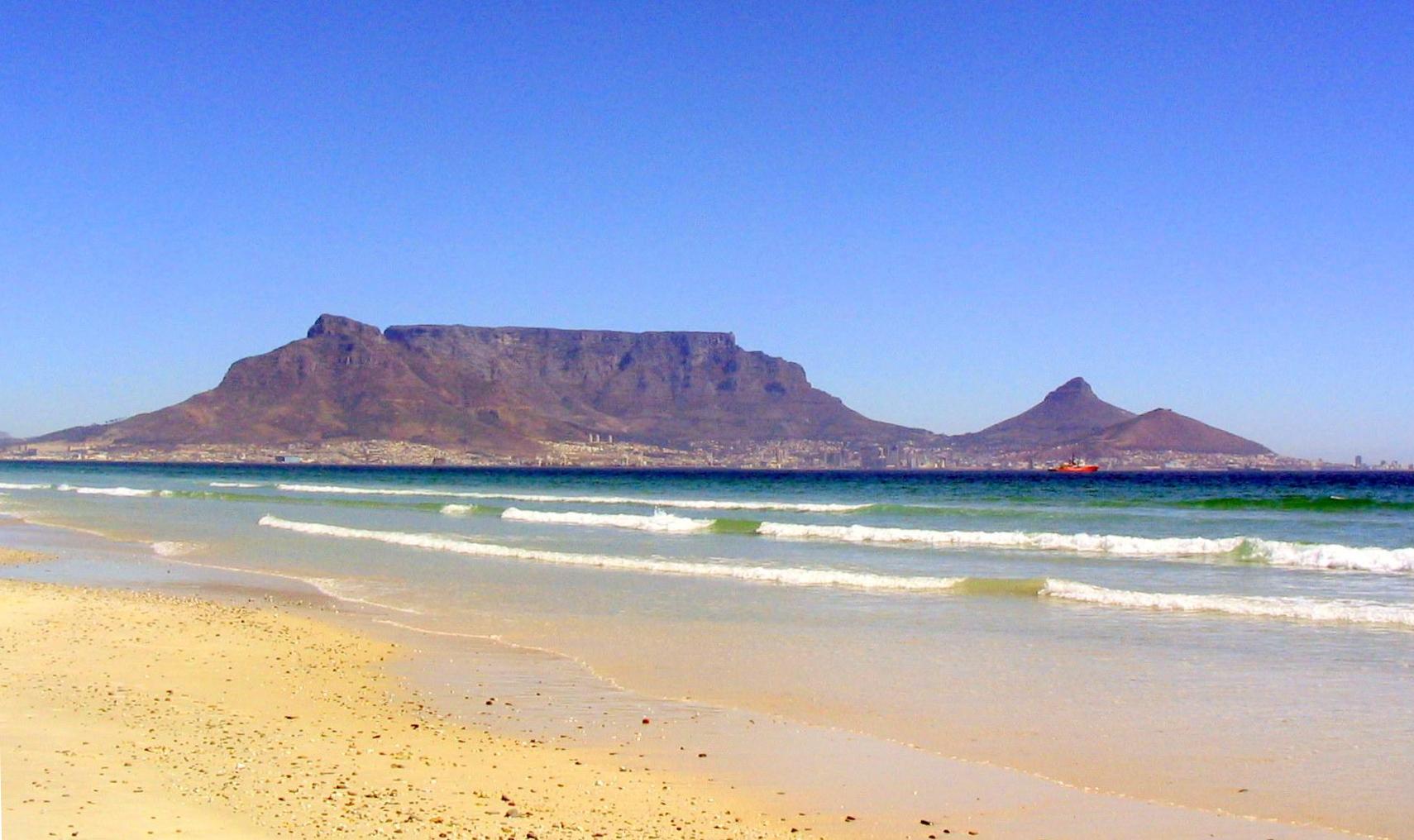
Is It Safe to Stay in Bloubergstrand, Cape Town? 2026 Safety Evaluation
Photo courtesy of Wikimedia Commons contributor, licensed under CC BY 3.0 Is It Safe to Stay in Bloubergstrand, Cape Town? | 2025–2026 Safety Guide Western…
Read Article
Is It Safe to Live in Walmer Estate, Cape Town? 2025–2026 Safety Guide
Photo courtesy of Axxter99, Wikimedia Commons, licensed under CC BY-SA 4.0 Is It Safe to Live in Walmer Estate, Cape Town? | 2025–2026 Safety Guide…
Read Article
Is Sea Point Safe for Tourists? A Data-Driven Analysis (2024–2026)
Is Sea Point Safe for Tourists? A Data-Driven Analysis (2025–2026) | Cape Town Data ◆ Data Analysis — February 2026 Is Sea Point Safe for…
Read Article
Is It Safe to Live in Rondebosch, Cape Town?
Photo courtesy of Zaian, Wikimedia Commons, licensed under CC BY-SA 3.0 Is It Safe to Live in Rondebosch, Cape Town? | 2025–2026 Safety Guide Southern…
Read Article
Is It Safe to Live in Oranjezicht, Cape Town?
Photo courtesy of Hansueli Krapf, Wikimedia Commons, licensed under CC BY-SA 3.0 Is It Safe to Live in Oranjezicht, Cape Town? | 2025–2026 Safety Guide…
Read Article