Where are Cape Town's Safest Tidal Pools & Swimming Spots?
Februar 24, 2026

Cape Town Tidal Pools & Safer Swimming
Cape Town’s coastline is dramatic, powerful, and (when you plan it right) unbelievably swimmable. This 2026 guide maps the tidal pools and the calmer “safer swim” options—so you can pick your spot with confidence, understand the conditions, and spend more time in the water (and less time second-guessing it).
If you’re visiting Cape Town for the first time, the ocean can feel intimidating: cold Atlantic water, fast-changing wind, and shore breaks that look gentle—until you step in. The good news is that Cape Town has a network of tidal pools (some municipal, some within protected coves) and a set of popular beaches where lifeguards are present in season. Those two categories are what this guide is built around: tidal pools (naturally buffered and often family-friendly) and safer swim beaches (where you can stay between the red-and-yellow flags when lifeguards are on duty).
A tidal pool is essentially a rock-protected pocket of sea that fills and refreshes with the tide. It gives you the “open ocean” feeling without the full energy of the swell. But “safer” doesn’t mean “risk-free”: rocks are slippery, waves can wash over walls, and conditions can shift quickly. The goal is simple: choose the right spot for your experience level and the day’s conditions.
- If you’re choosing a beach: only swim where lifeguards are on duty and stay between the red-and-yellow flags.
- If you’re choosing a tidal pool: avoid standing on wave-washed rocks, keep kids inside the pool walls, and watch the sets for 5–10 minutes before you get in.
- Rip currents exist even on “good” days: if you’re caught, don’t fight it—stay calm, signal for help, and swim parallel to shore when you can.
- Check local advisories: coastal water quality updates and shark safety guidance can change with conditions.
Interactive Map: Tidal Pools & Safer Swim Spots
Use this map to plan a swim day by neighbourhood. Click a pin for the short summary, then jump into the matching section below for the full details. Tip: on mobile, rotate to landscape for a bigger map.
Table of Contents
Sea Point Pavilion Pools
Easy, confidence-building swims with changing rooms, ocean air, and a promenade stroll.

Not a tidal pool, but it earns its place in this guide because it’s one of the simplest ways to get in the water with minimal “ocean unknowns.” If you’re easing into Cape Town swimming—especially with kids—Sea Point Pavilion gives you a controlled environment with facilities, lifeguard-style oversight, and the bonus of the promenade: coffee before, ice cream after, sunset walk any time.
How to swim it well
Treat it like your “base camp” day: arrive earlier when the wind is lighter, swim first, then build your day around it. If you’re sensitive to cold, warm up with a brisk promenade walk first (yes, it helps). For beginners, start with short dips and build time; for strong swimmers, it’s a great day for easy laps.
Open in Google MapsMaiden’s Cove Tidal Pools (1 & 2)
Two tucked-in pools, big boulders, and a “picnic-then-dip” Cape Town classic.

Maiden’s Cove is the “bring a blanket, stay for hours” option: grassy picnic areas, dramatic rock formations, and tidal pools that feel sheltered even when the Atlantic looks wild. It’s popular for a reason: you get views of Table Mountain and the Twelve Apostles while you float in seawater that’s protected from the full swell. There are two pools close together, so you can pick the one that feels calmer on the day.
Local-style plan
This is a great late-afternoon destination: arrive with snacks, spend time on the rocks watching the sets, then swim when the pool looks calm and comfortable. If there’s heavy surge, treat it as a picnic viewpoint and choose a more protected swim for the day (Sea Point Pavilion or a False Bay tidal pool).
Open in Google MapsCamps Bay Beach + Tidal Pool
Iconic scenery, a social beach strip, and a tidal pool option when the surf is doing its own thing.
.jpg?width=1600)
Camps Bay is the “postcard beach” that almost everyone visits—and the reason it works for swimming is choice. On calmer days, you can swim on the beach (always stick to marked safe areas when lifeguards are working). If the shore break looks punchy, the tidal pool gives you a more controlled dip without sacrificing the scenery. This is a good option when you’ve got a group with different comfort levels: some people swim, some sit with coffee, and everyone gets the view.
Best-practice move
Before anyone enters the water, watch the ocean for a few minutes. If sets are surging or you see people being pushed sideways, choose the pool or choose a different beach. Camps Bay is not the place to “prove something.” It’s the place to enjoy Cape Town.
Open in Google MapsLlandudno Beach
A beautiful Atlantic bowl—stunning, but choose your swim window carefully.
.jpg?width=1600)
Llandudno is one of those beaches that can look deceptively calm in photos and extremely alive in person. When it’s gentle, it’s a dream: a clean sandy arc, granite boulders, and a horizon that feels endless. When it’s firing, the shore break can be intense and fast—especially for anyone who isn’t used to Atlantic energy. The safest approach is to treat Llandudno as “conditions-based”: go on a lighter swell day, stay near others, and don’t push past your comfort.
Practical call
If you want a simple swim day, choose a tidal pool or a calmer False Bay option. If you want a beach day with an optional quick dip, Llandudno is perfect. Keep the dip short, stay aware, and step out if the water starts moving you sideways.
Open in Google MapsSt James Tidal Pool
The iconic “beach huts + tidal pool” combo—one of the easiest family swim days in Cape Town.

St James is the place you take people when you want them to say “oh wow” and then relax. The tidal pool is large enough for real swimming, shallow enough at the edges for kids, and paired with a small beach that makes it easy to spend the whole day. If you’re introducing someone to Cape Town sea swimming, this is one of the best entry points because the pool does a lot of the work—less wave energy, fewer surprises.
Make it a full day
Arrive earlier for quieter water, then explore the nearby rock pools at low tide (look but don’t climb into risky surge zones). Pack water shoes if you hate slippery rocks. And if you’re swimming in season, still follow on-site safety guidance—tidal pools can get surging sets on certain swell angles.
Open in Google MapsDalebrook Tidal Pool
A favourite for early morning “dip-then-coffee” routines on the False Bay coast.

Dalebrook’s appeal is simplicity: quick access, a reliable tidal pool, and a coastline that rewards anyone who likes a “routine swim.” It’s especially good on windier days when you still want to get in the water but don’t want to deal with heavy shore break. The pool is also well-positioned for a classic Cape Town sequence: dip, dry off, and walk into Kalk Bay for something warm.
What to watch for
The biggest hazards here are slippery rocks and occasional surging sets depending on swell direction. If the pool is “breathing” (water surging in and out), keep kids away from the wall edges and treat it as a shorter, more cautious swim.
Open in Google MapsWooley’s / Woollies Pool (Tidal)
A calmer False Bay tidal pool option with “choose your depth” vibes.

Wooley’s is a brilliant “family compromise” tidal pool because it gives different swimmers different comfort levels in one place: a shallower area for splashing and a deeper section for confident swimmers who want to do a few proper lengths. It’s also one of those spots where you can sit on the rocks and enjoy the view even if you don’t swim. If you’re travelling with a group, this is often the place that keeps everyone happy.
Small details that matter
Wear grippy sandals or water shoes for the access steps and rock edges. Choose a calm day if you’re bringing very small kids, and keep an eye on how quickly the pool is flushing—fast surges = step back and reassess.
Open in Google MapsFish Hoek Beach
A wide bay that often feels gentler than the Atlantic—classic family beach energy.
.jpg?width=1600)
Fish Hoek is less about dramatic cliffs and more about “space.” The beach is wide, the bay can be calmer, and it’s a natural choice for families who want to spread out, play, then swim. Like any ocean beach, it can still develop rips and tricky currents—so the smart move is to treat it as a supervised swim spot in season and to follow on-site lifeguard guidance when it’s available.
When it works best
Sunny mornings with lighter wind are usually the easiest. If you’re teaching someone to get comfortable in the sea, do short dips, stay close, and keep the first session playful rather than “distance-based.” Confidence is everything.
Open in Google MapsMuizenberg Beach
Beginner surf capital—and a long, iconic shoreline for gentle wades and supervised swims.

Muizenberg is famous because it makes the ocean feel approachable: gentle beginner waves (on many days), surf schools, and an easy “beach culture” vibe. For non-surfers, it’s also a great place to do short, confidence-building sea dips—especially when conditions are calm and you’re near supervised areas. Think of it as a training ground: learn to read water movement, learn what “sideways pull” feels like, and learn to get out before you’re tired.
Best beginner plan
If your goal is swimming (not surfing), go earlier and keep your first session short. If the water is busy with boards, choose a quieter section or switch to a tidal pool day. The best swim days are calm, clear, and unhurried.
Open in Google MapsWindmill Beach
A protected little cove near Simon’s Town—often clear, calm, and snorkel-friendly.

Windmill is a great example of “small but special.” It’s not a big sandy beach day destination; it’s a cove that can feel wonderfully protected, with rocky edges and the kind of water clarity that makes you want to mask-and-snorkel. If you’re new to snorkelling in Cape Town, this is often easier than fully exposed Atlantic spots. Still: be careful on entry, don’t jump in blind, and keep an eye on how the water moves at the cove mouth.
Snorkel smart
Go on calmer days, keep your group together, and use a bright cap/float if you’re spending time out from shore. The goal is “beautiful and easy,” not “deep and daring.”
Open in Google MapsBoulders Beach
Granite-boulder inlets that feel sheltered—one of the most approachable “cove swims” near Simon’s Town.
.jpg?width=1600)
Boulders is famous, but it’s also genuinely useful for swimmers: the inlets between the granite boulders can feel sheltered from wind and wave energy, making it a good “calmer swim” option when other beaches are too active. Because it’s a popular area, it’s also a place where you’ll often have more people around—which can add a layer of comfort for visitors who don’t want to swim alone on a remote stretch.
Plan it well
Arrive earlier for quieter water and better parking. Keep your swim conservative if the wind is picking up, and be respectful of wildlife and signage in protected areas. Even in sheltered water, rocks can be slippery and surprisingly sharp.
Open in Google MapsMiller’s Point Tidal Pool
Clear water, picnic energy, and a “make a day of it” peninsula swim spot.

Miller’s Point is a great “swim + snorkel + picnic” combination spot. The tidal pool gives you structure (and usually calmer water than open coastline), while the surrounding rocky edges and bays add variety if you’re a confident swimmer with snorkel gear. It’s especially rewarding on calm days when visibility is decent and the water feels inviting rather than punishing.
How to make it easy
Pack like you’re going to stay: water, snacks, warm layer, sunscreen, and a small first-aid kit for minor scrapes (rocky coasts are honest). Choose a calm weather day and keep your swim conservative if the water is surging.
Open in Google MapsSoetwater Tidal Pool (Kommetjie side)
Resort access, picnic infrastructure, and a tidal pool day with a “contained” feel.

Soetwater works well when you want a tidal pool experience with a more “planned” environment—especially for family groups and day visitors who like having a clear base area. Because it’s in a resort setting, many people structure the day around the facilities: arrive, set up, swim, eat, repeat. If your group includes non-swimmers, it’s also a great place for “watch from the sidelines” comfort while others dip.
What makes it different
The resort context can make the day easier to manage, but it still sits on the Atlantic edge: wind and cold water are real. Pack warm clothing and plan your swim in short, happy sessions rather than trying to “tough it out.”
Open in Google MapsHow to pick the right swim spot (in 60 seconds)
Because the “best” place changes with wind, swell, time of day—and your crew.
The most common mistake visitors make in Cape Town is choosing a swim location based on a photo rather than the day’s conditions. Here’s a simple decision flow that works:
Step 1: Are you swimming in a beach or a pool?
If you want the lowest stress swim, pick a tidal pool or Sea Point Pavilion. If you want a beach dip, commit to swimming only in supervised areas when lifeguards are on duty and follow the red-and-yellow flag zones.
Step 2: Is the Atlantic behaving today?
On windy or big-swell days, Atlantic beaches can feel unforgiving. Those days are often better for False Bay tidal pools (St James, Dalebrook, Wooley’s) or contained options. Save Atlantic “big beach” dips for calmer days.
Step 3: Are you checking advisories?
Before you drive across the city, do a quick check for any relevant safety notices (rip-current risk, shark safety guidance, coastal water quality updates). Cape Town rewards preparation: the same beach can feel completely different from one day to the next.
- If you don’t like what you see when you arrive—heavy shore break, strong sideways pull, fast surges—switch spots.
- Pick an easier swim today, and come back another day when conditions suit your comfort level.
More in Beach Area Guides
Das könnte Sie auch interessieren
Die besten und sichersten Tidal Pools in und um Kapstadt
Kapstadt Tidal Pools – Die besten & sichersten Tidal Pools Schwimmen im Meer • Familienfreundlich • Praktische Sicherheitstipps Die besten und sichersten Tidal Pools in…
Artikel lesen
Wo und was sind Kapstadts Blue-Flag-Strände (2025/26)?
Kapstadt • Küstenstandards & Strandtage Kapstadts Blue-Flag-Strände (2025/26) Acht Strände im Großraum Kapstadt tragen in dieser Saison die Blue Flag – ein Signal für konsequente…
Artikel lesen
Bloubergstrand & Big Bay: Wind, Views & Kitesurfing (2025 Update)
. For casual sunset magic: Blue Peter& Kitesurfing (2025 Edition) --> lawn.ing (2025 Edition) -->
Artikel lesen
Clifton 1–4 erklärt: Welcher Strand ist für dich?
Kapstadt | Strände & Planung Clifton 1–4 erklärt: Welcher Strand passt zu dir? Vier Buchten, vier Stimmungen. Vom sportlichen First bis zum familienfreundlichen Fourth —…
Artikel lesen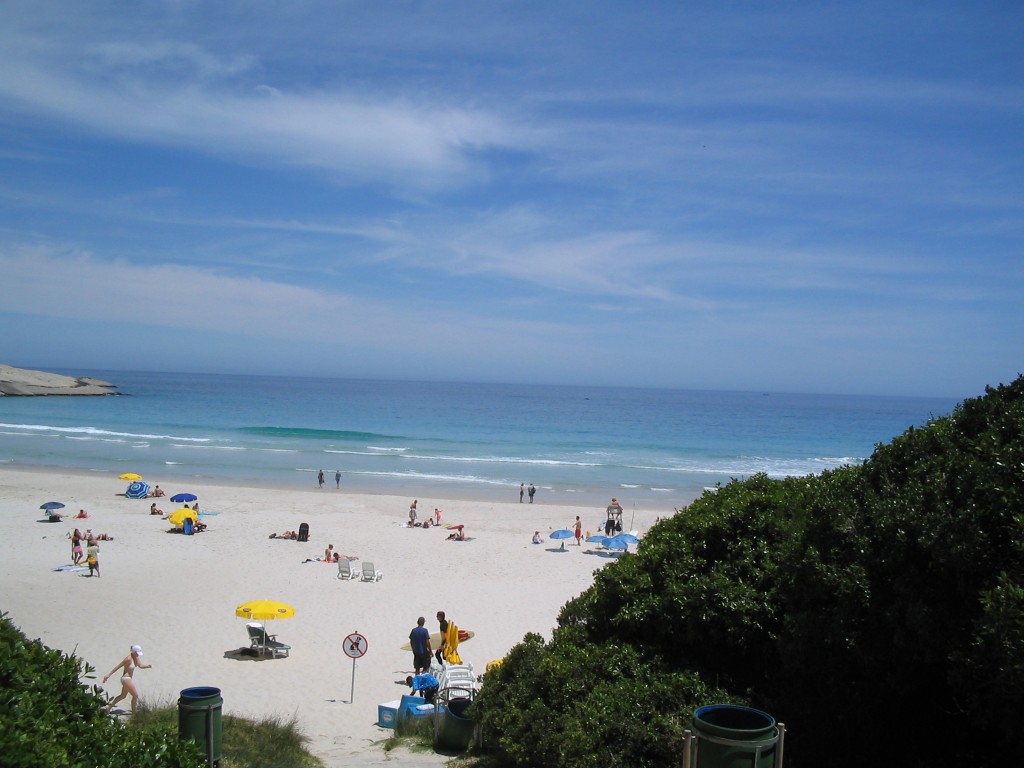
Erkundung des Llandudno-Strands und des Schiffbruchpfads
Foto mit freundlicher Genehmigung von Wikimedia Commons, lizenziert unter CC BY-SA 4.0 Unterstützt von Wikiloc Inhaltsverzeichnis Einführung 1. Llandudno auf einen Blick 2. Der Schiffswrack-Pfad…
Artikel lesen