Experience Cape Town - for Americans
Mai 14, 2025
.jpg)
Cultural Tips & Manners
South Africans are famously **friendly and polite**. A warm greeting (even a quick “howzit?”) goes a long way, and people appreciate hearing a few local words. *Lekker* (pronounced **LEK‑kur**) means “great” or “tasty,” and you’ll hear it everywhere (from praising a meal to describing the weather). *Braai* (BAR‑eye) is their word for barbecue – a national passion. And watch out for time: a promise to do something “just now” almost certainly means *later*. In short, South Africans take a more relaxed, casual pace than many Americans. Don’t be surprised if service staff aren’t hovering at your table – the service is polite but not pushy. (If you need something quickly, just ask; they’ll happily help.) While people are warm, keep common‑sense safety in mind. Tourist areas like the V&A Waterfront and Table Mountain **are generally safe by day**, but crime can spike after dark. Travel.state.gov advises **avoiding walking alone after dark** and sticking to busy streets. Use Uber or licensed taxis at night, keep windows up and valuables hidden, and if you explore townships (Khayelitsha, for example) **do it only with an experienced guide**. Plan your route, stick to main roads, and you’ll enjoy Cape Town with confidence.Tipping & Money Manners
In the U.S. you might tip 15–20%, but in South Africa a **10% tip is standard**. Americans often feel tipping less is stingy, but in Cape Town about 10% is expected. If service is fantastic, feel free to tip more (15–20%). You’ll still be thought generous! You should tip waiters, baristas, hotel staff, spa attendants, tour guides, and even petrol‑station attendants (they pump your gas here!) – typically R5–R10 for small favors. Uber drivers also appreciate a small tip (you can do it in the app or in cash). Unlike the U.S., tips **aren’t always added to the bill by default**, so carry some cash. Always use **South African rand** for tipping (or use a travel card) – it means more to locals than a dollar. Americans expect big breakfasts at hotels, and you’ll usually get them – most places offer a generous buffet or plated breakfast. One surprise: **wifi reliability**. Even if a hotel or café *claims* to have Wi‑Fi, it can drop out unexpectedly. Consider a local SIM card (MTN is the best for data and won’t blackout during power cuts) or keep extra data just in case. Carry a portable battery pack – load shedding (planned blackouts) may leave you recharging by candlelight (or cellphone flashlight).Dining & Local Flavors
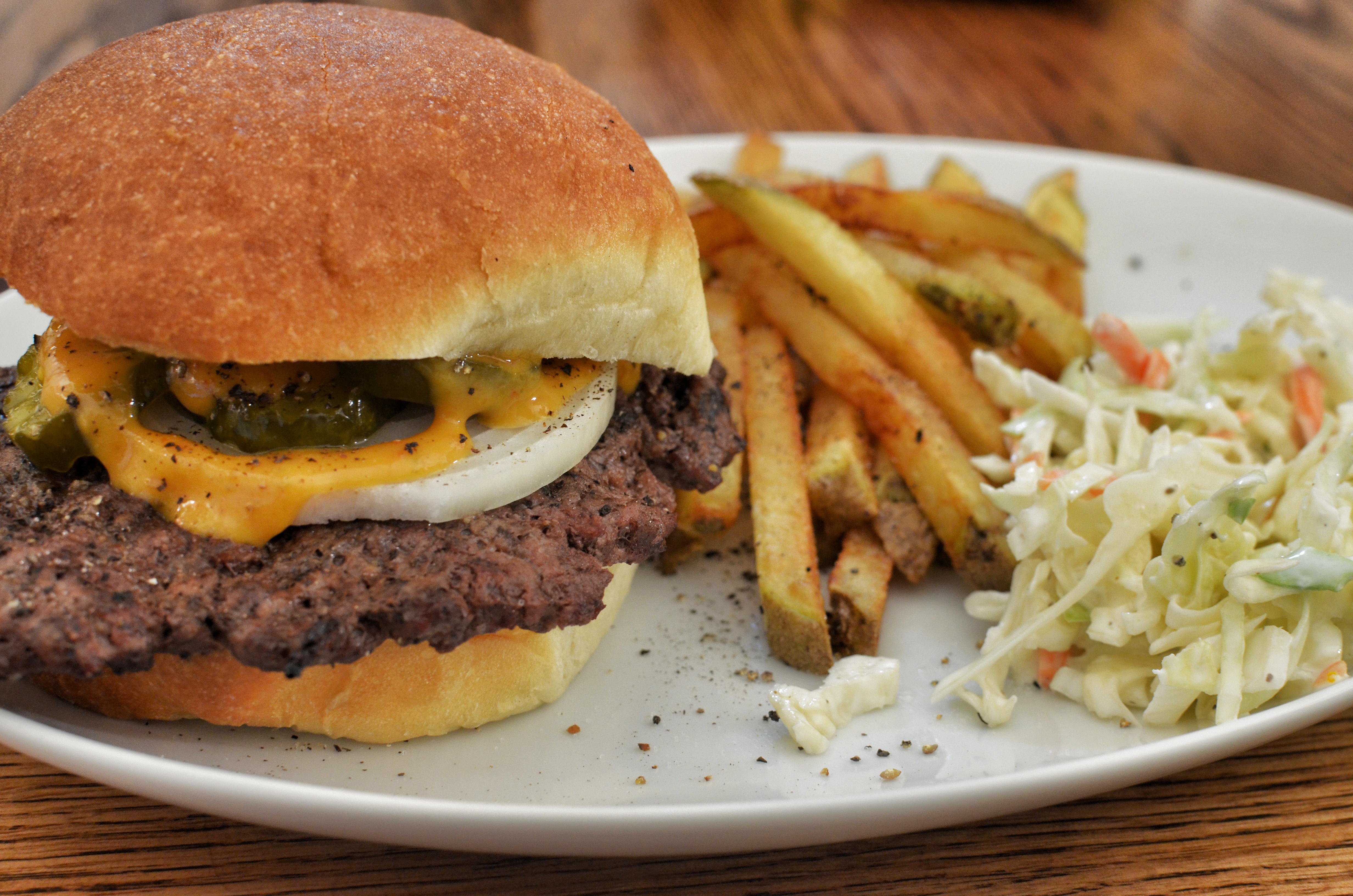
Cape Town is a foodie’s paradise. You’ll find all the American‑style comfort food you crave – burgers, pizza, sushi, and even Doughnut Day – but with South African twists. There are plenty of burgers‑and‑shakes joints (Steers and Hawk & Hunter are local favorites) and international chains (KFC, Hard Rock, even a daily at *TGI Friday’s* or *Subway*). Coffee shops are everywhere – try *Vida e Caffè*, *Bootlegger* or *Origin* for excellent artisan brews. Fun fact: despite all the trendy cafés, people here usually sip coffee sitting down (mugs‑in‑hand) rather than rushing with to‑go cups. But don’t miss **South African cuisine**! The local staples are “lekker” too: smoky *braai* (grilled meats), *biltong* (spiced dried beef) and *droëwors* (sausages), and hearty Cape Malay curries. For example, try a curry with *sambal*, *samoosas*, rice and curried peas (pictured below). *Pap* (a cornmeal porridge) often accompanies stews. Many restaurants and markets serve fusion menus – think peri‑peri chicken, Malay‑spiced dishes, and seafood caught off the Cape. It may be less familiar than American classics, but adventurous eaters rave about the flavors. If you really want a taste of home, you’ll find it: American‑style diners and pizza places abound. But consider making one day a “no fork” day: grab fresh seafood at the harbor or enjoy a casual braai picnic on the beach (just watch out for hungry baboons with your shiny possessions!). Comfort food is abundant (burgers and ice cream exist), but trying **South African dishes** (curry, bobotie, or braai meats) is half the fun.*City Life vs. Nature Adventures
Cape Town offers a perfect split between urban life and wild beauty. In one day you might shop at the V&A Waterfront, dine on the promenade, and catch a sunset over the harbor. The next day you could hike up Table Mountain or Lion’s Head for panoramic views, wander through Kirstenbosch Gardens, or hit the scenic Chapman’s Peak drive. The nearby Cape Winelands (Stellenbosch/Franschhoek) are just an hour away for wine tasting and farm lunches. Beach lovers can choose from trendy Camps Bay to calm Clifton, or even visit the penguin colony at Boulders Beach. Outdoor activities like shark diving, surfing, and whale watching (in season) are easy day‑trips. In short: **bring both sneakers and sunscreen**. Americans might be surprised how accessible the outdoors are – the mountains and coast are literally at the city’s edge. (It’s not Hawaii, but the sun is strong; always wear sunscreen.) Because of this, Capetonians tend to be very relaxed. Don’t expect rigid schedules – “African Time” is a real thing. When locals say something will happen *now*, it often means “eventually” (it’s the opposite of American punctuality). Embrace it and take your time!Tips for Different Travelers
- **Families:** Cape Town is *kid‑friendly*. Children are welcomed in most restaurants (high chairs are common) and locals generally adore kids. Rent a car or use Uber to get around – everything is spread out, and very little is walkable with strollers. Family favorites include the Two Oceans Aquarium, splash parks, and the playful penguins at Boulders Beach. Safety‑wise, stick to tourist‑friendly areas (Sea Point, Camps Bay) and never let children roam alone on busy streets or beaches. - **Solo Travelers:** You’ll fit right in, as Capetonians love visitors. Consider joining day tours (Table Mountain, Cape Point) or group hikes – great ways to meet people. Stay in central, safe neighborhoods (City Bowl, Sea Point, Green Point), and use registered Uber/taxi for late‑night moves. Trust your instincts: if a situation feels odd, move on. Solo women should dress modestly and avoid empty streets at night. Cape Town’s café culture is excellent for solo diners; many places have bar seating or communal tables. - **Digital Nomads:** Cape Town is known as a great digital‑nomad hub. Many cafés and coworking spaces (e.g. *Workshop 17*, *Spin Street House*, *Tribe*) offer reliable Wi‑Fi. Neighborhoods like the City Bowl, Woodstock, and Green Point are popular for nomads. Living costs are generally lower than in U.S. cities, even with expensive imports – see the latte and beer prices above. Have a mobile data backup; MTN SIMs stay online during power cuts. - **Retirees & Seniors:** Cape Town delivers relaxed holidays: comfortable lodges, shuttle tours, and the hop‑on hop‑off bus. Remember, South Africans drive on the left and traffic can be aggressive. Don’t miss the Table Mountain cable car or a guided Robben Island tour. Bring a light jacket for breezy evenings and cash for tips and senior‑discount tickets. Avoid walking alone at night, and you’ll find Cape Town calm and memorable.Summary Table – U.S. Expectation vs. Cape Town Reality
| **Aspect** | **Typical U.S. Expectation** | **Cape Town Reality (2024–25)** | |------------|------------------------------|---------------------------------| | **Tipping** | 15–20% in restaurants; tips on rideshares by custom. | 10% is standard; up to 20% for great service. Tip Uber/petrol/cab a few Rand (cash or app). | | **Service Style** | Fast, efficiency‑focused; servers check in often. | Friendly but laid‑back. Staff won’t hover; ask if you need something. | | **Coffee Culture** | Coffee on‑the‑go; to‑go mugs standard. | Sit‑down café culture; to‑go cups rare. | | **Friendliness** | Casual friendliness, small talk. | Very warm and polite; greetings like “Howzit” and words like *lekker*. | | **Safety Practices** | Moderate; walking at night common. | Be vigilant: avoid dark streets, use Uber/taxi at night. | | **Payments** | Cards everywhere; small cash tips. | Cards widespread, but carry cash for tips/markets. Pay in rand. | | **Power/Internet** | Rare blackouts; reliable Wi‑Fi. | Rolling blackouts (*load shedding*) a few hours at a time; keep data backup. | | **Time Perception** | “Now” = immediately. | “Now” can mean later; “just now” = soon(ish). | | **Outdoors vs. City** | Nature involves travel. | Mountains & beaches **in** the city; urban‑nature blend. | Each bullet point above is drawn from Cape Town travelers’ experience and official guidance (see sources). Enjoy the adventure – Cape Town’s unique blend of urban culture and natural beauty makes it a truly *lekker* destination!More in Explainers for Visitors & Newcomers
- Warum „Kill the Boer“ weiter nachhallt: Ressentiment, Macht – und die Realität von Hass | Analyse
- Südafrika und die FATF-Graue Liste: Was sie war, warum sie wichtig war und was sich jetzt ändert
- Trump Meets South African Delegation: Reconciliation vs. “White Genocide” Claims
- The forgotten war: Sudan in crisis in 2025
Das könnte Sie auch interessieren
Warum „Kill the Boer“ weiter nachhallt: Ressentiment, Macht – und die Realität von Hass | Analyse
Zum Artikel springen Start / Analyse / Südafrikanische Geschichte & Politik Link kopieren Teilen Springe zu Analyse · Südafrikanische Geschichte & Politik Warum „Kill the…
Artikel lesen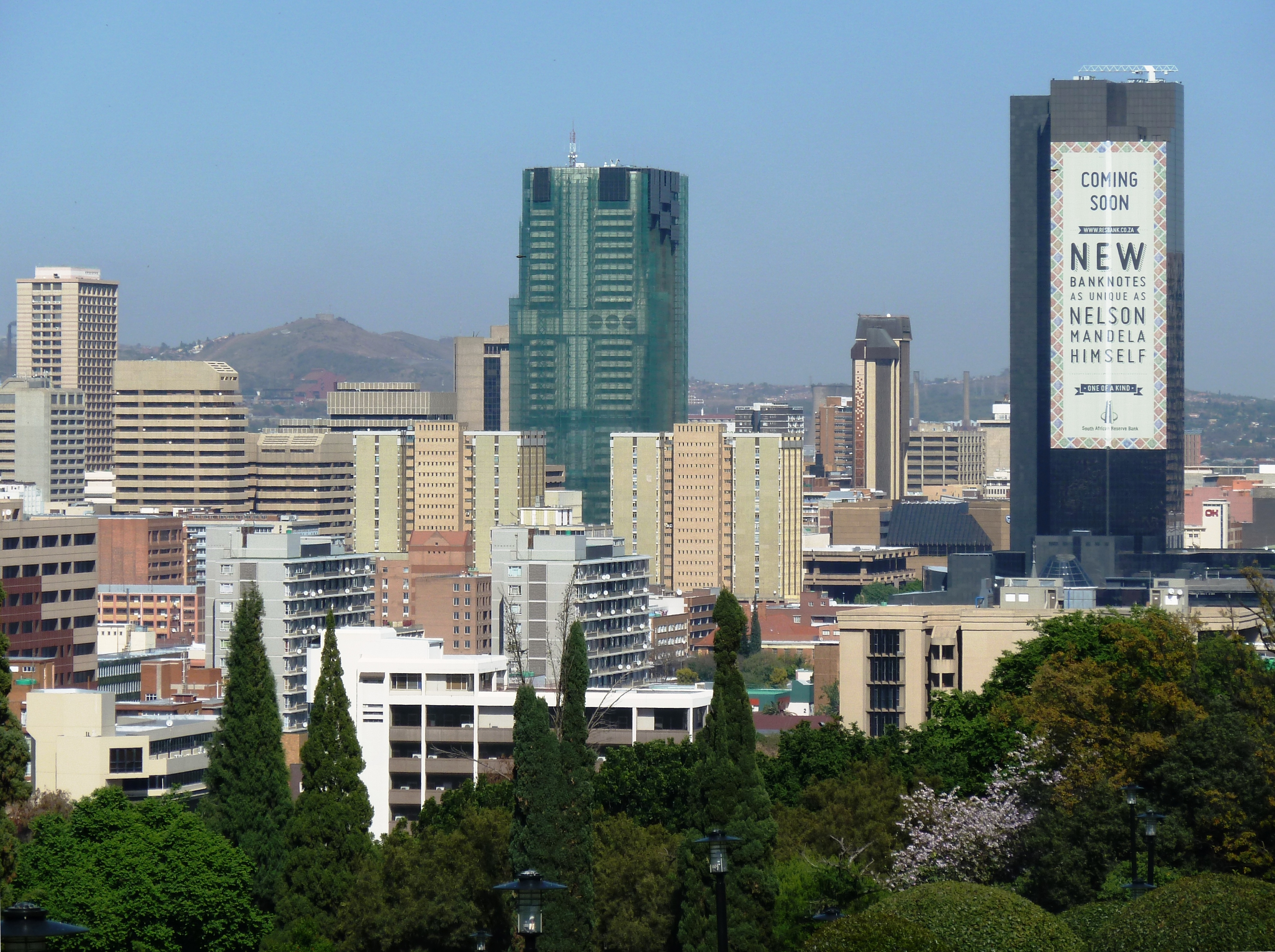
Südafrika und die FATF-Graue Liste: Was sie war, warum sie wichtig war und was sich jetzt ändert
Foto von JMK , Pretoria CBD, gesehen von den Union Buildings , via Wikimedia Commons — lizenziert unter CC BY-SA 3.0 . Südafrika • Finanzen,…
Artikel lesen
Trump Meets South African Delegation: Reconciliation vs. “White Genocide” Claims
The White House, Public domain, via Wikimedia Commons Table of Contents Context: A High-Stakes Oval Office Meeting Trump’s Claims of “White Genocide” South Africa’s Response:…
Artikel lesen
The forgotten war: Sudan in crisis in 2025
1,000+ Days of Conflict Sudan's Forgotten War The World's Largest Humanitarian Crisis The world's attention has drifted from Khartoum's streets and Darfur's plains, yet the…
Artikel lesen