Racism Part 3: A Guide for Foreigners Navigating South Africa’s Racial Dynamics
Mai 11, 2025

Visiting or moving to South Africa can be an eye‑opening and enriching experience. The country’s diversity — 11 official languages, a multitude of cultures and communities — is part of its great beauty. However, the complexities of race in South Africa run deep, and as a foreigner, it’s crucial to approach this landscape with empathy, openness, and humility. Here are some practical guidelines and reflections for foreigners on engaging respectfully in a society still healing from racial divisions:
Listen and Learn with an Open Mind
One of the best things a newcomer can do is listen to South Africans’ stories and perspectives. Every person has their own lived experience of race in South Africa, whether it’s tales of hardship under apartheid, challenges faced in the present, or hopes for the future. Approach these conversations as a learner, not a judge. Avoid coming in with preconceived notions like “I read apartheid is over, so everything’s fine now” — such assumptions can minimize locals’ reality. Instead, invite people to share (if they wish) and be genuinely attentive. South Africans may politely avoid heavy topics with visitors at first, but if someone opens up about their experience, recognize it as a sign of trust and respond with respect. Refrain from immediately comparing it to your home country (“Oh, that’s just like racism in my country…”) ; while parallels exist, South Africa’s context is unique. Be open to having your perspective challenged. You might hear viewpoints that surprise or even unsettle you, especially around sensitive issues of race. Embrace the discomfort as part of learning. Remember, you’re a guest in a country where people carry generational wounds — tread kindly.
Educate Yourself on History and Context
To engage meaningfully, it’s essential to ground yourself in South Africa’s history. A number of excellent museums and sites can help visitors understand the context of race relations. For example, a visit to Robben Island (where Nelson Mandela was imprisoned for 18 years) or the District Six Museum in Cape Town (which commemorates a vibrant mixed community torn apart by forced removals) can be profoundly illuminating. The Apartheid Museum in Johannesburg is often cited as a must‑see; it chronicles the rise and fall of apartheid in gripping detail. Walking through its exhibits — including segregated entrances labeled “White” and “Non‑White” for visitors — gives a visceral sense of what institutional racism felt like. These experiences provide important context for the present. As a foreigner, taking the time to learn in this way demonstrates respect; it shows you acknowledge that you’re entering a society with a specific historical burden. South Africans will appreciate when you’ve done some homework. It spares them from having to explain basic history and allows for more nuanced conversations. In addition to museums, read books by South African authors (for instance, Nelson Mandela’s Long Walk to Freedom, Trevor Noah’s Born a Crime, or works by Desmond Tutu, Fatima Meer, Steve Biko). Local news outlets and reputable websites can keep you updated on current affairs, including racial debates. By educating yourself, you not only gain insight but also signal that you value South Africa’s story.
Check Your Biases and Privilege
No matter where we come from, we all carry biases. It’s important to reflect on your own background and how it shapes your views on race. If you’re a white Westerner, for example, be mindful that you may be treated with a certain deference or curiosity in South Africa that stems from complex factors (including some people’s still‑ingrained notion that white or foreign is “better” or wealthier). This is not to make you feel guilty, but to encourage awareness. Don’t let any special treatment reinforce any sense of superiority. Conversely, if you are a person of color visiting from elsewhere, you might find South Africa’s racial landscape different from what you’re used to — perhaps more overt mention of race in conversation, or categories (like “Coloured” for mixed‑race people) that don’t align with your home country’s terms. Suspend judgment and observe; try to understand how local people identify and talk about themselves before inserting your own frame. In all cases, resist the urge to stereotype. It’s easy for foreigners to fall into simplistic narratives (e.g., “white South Africans are all racist” or “Black South Africans all resent white people”). The reality is far more complex: you will meet incredibly kind, enlightened individuals of all races, and you may also encounter ignorance or resentment across the spectrum. Avoid making assumptions based on race or ethnicity, as one expat guide advises. South Africa’s diversity defies generalization, so engage with each person as an individual.
Be Respectful in Conversations about Race
Racism and apartheid can be sensitive topics, and it’s wise to approach them with care. It’s not that you must avoid the topic entirely — indeed, many South Africans are open to discussing it, especially if you’ve shown genuine interest in learning. However, let your local friends or colleagues set the pace and tone. Don’t be the first to bring up “So, what do you think about apartheid/land reform/affirmative action?” at a casual braai (barbecue); that could be seen as intrusive or tone‑deaf. Instead, create a space for dialogue by mentioning something you learned (“I was moved by what I saw at the Apartheid Museum”) and see if they wish to share their thoughts. If the conversation does turn to racial issues, listen more than you speak. This is not the time to play devil’s advocate or debate for the sake of it. And absolutely avoid making light of the subject — jokes about apartheid or racial stereotypes are off‑limits. A good rule of thumb: if you wouldn’t say it at home on a sensitive issue, definitely don’t say it here. Also, be mindful of terminology. For instance, the term “Coloured” is a normal descriptor for a certain community in South Africa, but to foreign ears (like Americans) it might sound outdated or offensive; don’t impose your own language norms, but do take care to use terms correctly as locals do. When in doubt, ask respectfully: most people will appreciate the effort to get it right.
Immerse Respectfully and Equitably
To really understand modern South Africa, try to step outside of the expat or tourist bubble. It’s easy (especially for visitors with resources) to stick to the well‑trodden tourist paths — luxury safari lodges, Cape Town’s beachfront, wine country estates — which are wonderful but offer a skewed, often predominantly white, slice of South African life. Make an effort to visit different spaces: markets in historically Black townships, cultural festivals, community tours. Many townships welcome tourists in responsible ways that benefit the community; going on a guided tour of Soweto or Khayelitsha, for example, can enlighten you about how people live and thrive, beyond the poverty headlines. When engaging in such tourism, do so ethically – support local guides and businesses, ask permission before taking photos, and avoid any patronizing or voyeuristic behavior.
In daily interactions, treat everyone you meet with equal respect. Simple actions matter: greet the hotel doorman or the domestic worker with the same warmth and title (use “Sir,” “Ma’am,” or the local terms of respect like “Tata” for an older man, “Mama” for an older woman in some African languages) as you would the company CEO. South Africa has hierarchical tendencies left from both African and European traditions, but a little respect and politeness from a foreigner can go a long way in breaking perceived superiority. Mind your manners regarding race: never use racial slurs (obviously), and even colloquialisms or jokes you might say at home could land wrong here. For example, don’t make offhand comments that exoticize or trivialize someone’s identity (“Your English is so good for a X” or “You don’t act very black/white/Indian…” — these are inappropriate). If you are white, be aware of spaces where your presence might carry historical baggage (like a white person strolling through a Black township might unintentionally invoke images of apartheid patrols or charity workers). It’s not that you can’t go, but go with humility and awareness, preferably accompanied by local friends, and you’ll be received more warmly.
Support Positive Change (Without Being a “Savior”)
Many foreigners, especially those who stay longer, feel compelled to contribute to South Africa’s progress on racial equality and social justice. This is admirable, but it must be done with sensitivity. First, avoid the “white savior” or generally foreign savior complex — the notion that as an outsider you are here to “fix” or enlighten the locals. South Africans are very proud and resilient people; they’ve been working on these issues long before you arrived. Rather than imposing ideas, look to support existing local initiatives. This could mean donating or volunteering with organizations that promote education in underprivileged communities, support racial reconciliation dialogues, or provide economic empowerment. If you have a particular skill (say, you’re a teacher or software developer), you might offer to mentor someone historically disadvantaged in your field — but do it humbly and as a mutual exchange of knowledge, not as charity. Always partner with locals and defer to their understanding of what their communities need.
Another meaningful action is to patronize businesses owned by historically disadvantaged groups. South Africa encourages “buying black” or “buying local” to help redistribute wealth. As a visitor, you can seek out tours with Black‑owned companies, eat at restaurants that employ and uplift township youth, purchase art or products from local artisans (rather than solely from big shopping malls). These choices make a small but significant difference in challenging economic patterns. It also sends a message that you value the contributions of all South Africans, not just the ones in shiny tourist brochures.
Personal Reflection and Ongoing Engagement
Finally, be prepared to continually reflect on your experiences. You might find that your initial perceptions change over time. Perhaps at first you felt South Africa’s racial issues were similar to those back home, but later you recognize subtle differences. Or maybe you didn’t notice racism at all until you stayed longer or talked to more people, and now you see it between the lines. Use these insights to grow. Challenge yourself: what biases did you bring, and how have South Africans challenged them? Many foreigners leave South Africa with a deeper understanding not only of its society but of their own. The journey can be challenging emotionally — you might feel sadness or frustration witnessing inequality or hearing painful stories. But it can also be inspiring, seeing how people strive to overcome the past and create unity.
It’s also valuable to stay engaged even after you leave. Follow South African news, keep in touch with friends, and advocate in your own circles against stereotypes about Africa. If someone back home says, “Oh, South Africa – isn’t it just full of crime or racism?” you’ll be equipped to respond with a more informed, nuanced view. In this way, you become a small bridge between South Africa and the wider world, dispelling myths and sharing truths.
In summary, as a foreigner in South Africa, approach the topic of race with respect, humility, and a learning attitude. A South African immigration guide wisely advises expats: show interest in local culture, but “don’t make assumptions based on race” and avoid diving into apartheid discussions unless invited. In practice, this means being observant and thoughtful about the dynamics around you. Let your new experiences broaden your mind. As one expat reflected, living in South Africa taught them to “open up to others and accept differences,” ultimately making them more tolerant and patient. You, too, can undergo this enriching transformation. By listening, learning, and engaging kindly, you not only navigate South Africa’s racial complexities—you become part of the healing process, however small your part may be. And that, in the spirit of true ubuntu (humanity towards others), is perhaps the most rewarding aspect of your journey.
More in Culture & Identity
- Kulturelle Sensibilität als ausländische Person in Kapstadt, Südafrika
- PART II: The South African Miracle: Lessons in Forgiveness, Unity, and Nation-Building
- PART I: The South African Miracle: Lessons in Forgiveness, Unity, and Nation-Building
- Wer sind die Afrikaner und was ist die afrikaanse Kultur in Südafrika?
- Werden Weiße in Südafrika systematisch unterdrückt?
- Racism Part 2: Recent Incidents and Current Racial Tensions
Das könnte Sie auch interessieren

Abdullah Ibrahim in 2026: A Living Legend Returns to Cape Town International Jazz Festival CTIJF
Editorial feature · capetowndata.com · March 2026 Photo courtesy of Patrick Scales, Wikimedia Commons, licensed under CC BY 3.0 CTIJF 2026 · Cape Jazz ·…
Artikel lesen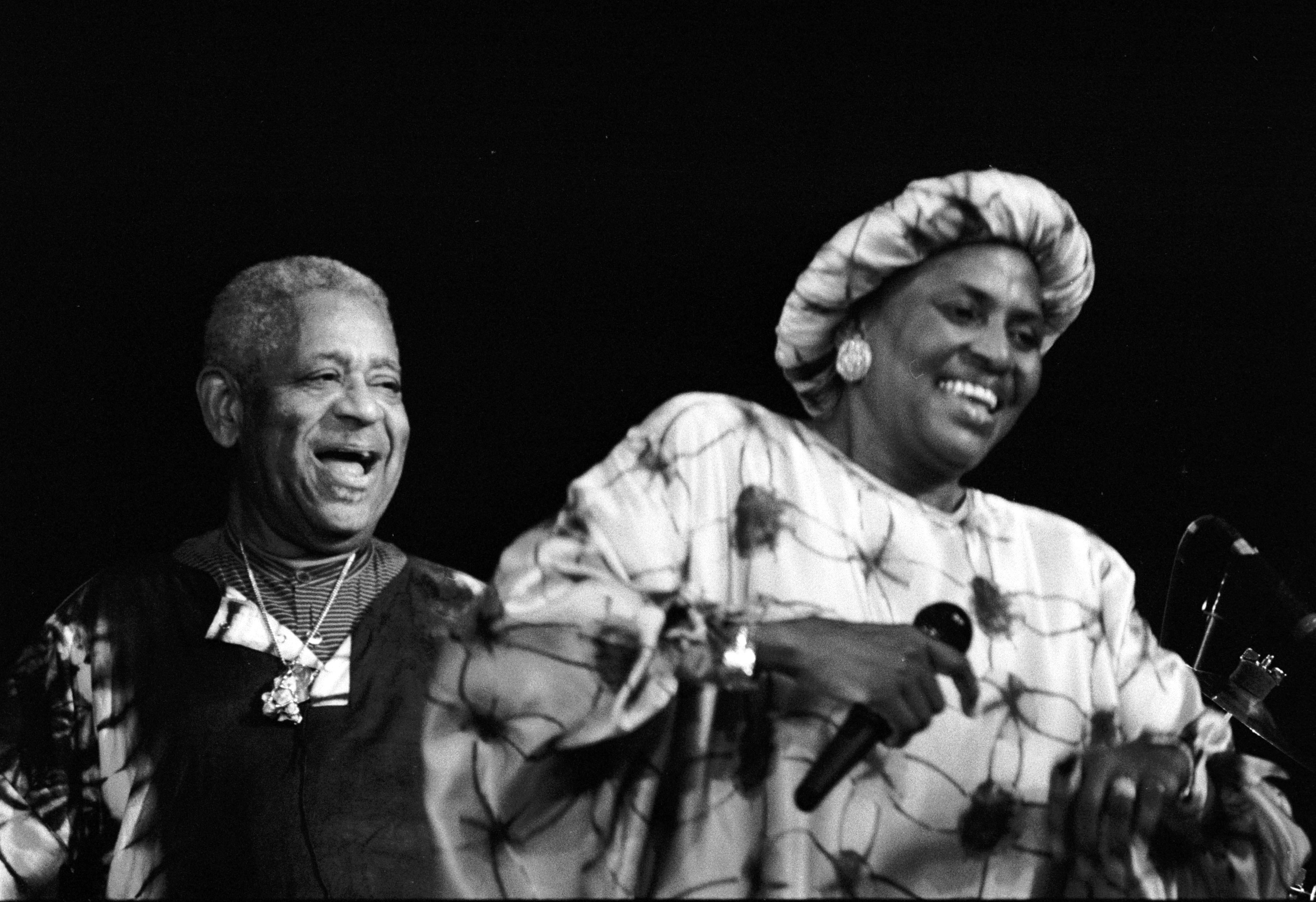
Miriam Makeba: ihr Leben, ihre Stimme, ihr Kampf und die Songs, die ein Land getragen haben
Südafrika • Musik • Widerstand Miriam Makeba: ihr Leben, ihre Stimme, ihr Kampf — und die Songs, die ein Land getragen haben Sie war nicht…
Artikel lesen
What is a good gift for a South African sports fan? 10 ideas for this Christmas
Hero image credit: Matti Blume, CC BY-SA 4.0, via Wikimedia Commons South Africa • Sport • Christmas gifts What is a good gift for a…
Artikel lesen
Der Cape Doctor: Warum ist Kapstadt so windig?
Foto mit freundlicher Genehmigung von: KodachromeFan, CC BY-SA 3.0 , über Wikimedia Commons. Kapstadt • Wetter • Wind & Jahreszeiten Der Cape Doctor & die…
Artikel lesen
Kulturelle Sensibilität als ausländische Person in Kapstadt, Südafrika
Kapstadt • Kultur & Kontext Kulturelle Sensibilität und der Umgang mit Rassismus als ausländische Person in Kapstadt Kapstadt ist atemberaubend – und kompliziert. Die Stadt…
Artikel lesen