What language do people speak in Cape Town?
March 3, 2026
Language Map of Cape Town
Cape Town is one of the most multilingual cities in Africa. English dominates in business and tourism, but Afrikaans and isiXhosa are the languages that shape everyday life across neighbourhoods, families, music, work, and transport.
If you spend a week in Cape Town, you'll notice something quickly: language changes by setting. You might order coffee in English, hear Afrikaans in the queue behind you, then hop into a taxi and catch isiXhosa greetings. That's normal here.
This guide is not a "hard border" map. It's a practical way to understand where each language is commonly heard (often reflecting home-language patterns), plus the history and mobility that created today's mix. Cape Towners are often multilingual, and individuals don't follow neighbourhood stereotypes — so treat this as a guide to context, not a rulebook.
Three dominant languages
English, Afrikaans, and isiXhosa are the three most widely heard — but Cape Town also has speakers of Somali, Shona, French, and many others.
Multilingual reality
One person may use isiXhosa at home, English at work, and Afrikaans with friends — all in the same day.
Setting matters most
What you hear depends more on the context — taxi rank, office, school, market — than on the suburb name.
Respect goes far
A greeting in someone's language — even just "Dankie" or "Enkosi" — opens doors instantly.
Where You'll Often Hear What
Click each zone for a plain-language description and a "why this pattern exists" note. Use the layer toggle to show/hide English-heavy, Afrikaans-heavy, isiXhosa-heavy, and multilingual hubs.
Interactive map showing common home-language patterns across Cape Town — remember, every area is more mixed than any map can show.
What's in This Guide
Why these patterns exist
Languages don't "belong" to suburbs — history, schooling, work, and movement shape what you hear.
Cape Town's three most-heard languages — English, Afrikaans, and isiXhosa — are products of layered, often painful histories: colonisation, the enslavement of Khoekhoe, San, and South-East Asian peoples, education policies that privileged some languages over others, apartheid-era forced removals that reshaped the city's geography, and the ongoing movement of people for work, study, and community. Understanding these histories — even briefly — helps explain why certain languages are heard in certain places today.
English — widely used, but not "neutral"
English is the most common language in tourism, corporate settings, many schools and universities, and mixed-language groups. When people from different home-language backgrounds meet, English often becomes the shared option. But it's worth noting that this dominance isn't accidental — it reflects British colonial influence and post-apartheid institutional choices that favoured English over other official languages. For many South Africans, English is a second or third language, not a first one.
Afrikaans — far more diverse than many outsiders realise
Afrikaans is deeply rooted in the Western Cape and is a home language for many communities — spanning a wide range of backgrounds, cultures, and economic circumstances. Visitors often associate Afrikaans primarily with white Afrikaners, but the majority of Afrikaans speakers in the Western Cape are in fact from communities historically classified as "coloured" under apartheid — communities with Khoekhoe, San, Malay, and other ancestries. You'll hear it strongly in parts of the northern suburbs and across many neighbourhoods on the Cape Flats, often alongside English.
In Cape Town specifically, you'll also encounter Kaaps (sometimes called Afrikaaps) — a distinctive linguistic variety with roots going back to the 1600s, shaped by contact between indigenous Khoekhoe people, enslaved South-East Asian and African populations, and Dutch settlers. Kaaps has its own vocabulary, rhythm, and cultural identity, and a growing movement of writers, musicians, and academics is working to have it recognised in its own right. It's widely spoken in Cape Flats communities and is an essential part of Cape Town's linguistic landscape — listen for it at the Kaapse Klopse (Cape Minstrel) carnival and in local hip-hop.
isiXhosa — deep roots, not just "recent migration"
isiXhosa speakers have been present in the Western Cape for centuries — long before colonisation drew hard lines on a map. In Cape Town today, isiXhosa is the primary home language in well-established communities like Langa (founded in 1927, one of the city's oldest formally planned neighbourhoods), Gugulethu, Nyanga, and Khayelitsha. Migration from the Eastern Cape accelerated in the post-apartheid period after restrictions on movement were lifted, but it's important not to frame isiXhosa speakers as "newcomers" to a city many have called home for generations. isiXhosa is increasingly heard across workplaces, schools, and social networks citywide.
And there's more than three
While English, Afrikaans, and isiXhosa are the three most commonly heard languages, Cape Town is also home to speakers of Somali, Shona, French, Swahili, Amharic, and many other languages — particularly in areas like Bellville, Salt River, and parts of the CBD, where migrant and refugee communities have established themselves. Cape Town's linguistic reality is broader than any three-language summary can capture.
Hear Afrikaans & isiXhosa (real-world audio)
Short non-English clips so you can hear rhythm, speed, and pronunciation in context.
isiXhosa (news + natural speech)
Listen for the click consonants and the musical intonation patterns.
Afrikaans (broadcast conversation)
Listen for “rolling r” sounds and the crisp consonants.
Quick etiquette for visitors
The goal is simple: be respectful, be clear, and don't make language awkward.
Most people in central tourist areas will respond in English quickly. In other contexts, English still often works — but asking first is a small sign of respect. If someone replies in Afrikaans or isiXhosa, you can simply repeat your question in English and smile.
What not to do
- Don't assume someone "should" speak your language.
- Don't imitate accents or turn greetings into a joke.
- Don't use language as a shortcut for making assumptions about someone's identity or background.
What works
- Lead with a greeting, then ask your question clearly.
- Use simple sentences and speak slightly slower (not louder).
- Learn "thank you" in Afrikaans and isiXhosa — it goes a long way.
Neighbourhood zones (broad patterns)
These are "often-heard" tendencies, not hard borders. The map is intentionally approximate.
Below are the big, practical clusters that many visitors notice. Use these to understand context — then let real conversations guide you.
City Bowl + Atlantic Seaboard
Tourism, business, and the concentration of university campuses mean English is the most commonly heard language in public — but Afrikaans, isiXhosa, and many other languages are constantly present among the people who live and work here.
Southern Suburbs
UCT, several schools, and strong commuter flows create a predominantly English-speaking public life, but Afrikaans and isiXhosa are present through student communities, domestic workers, and the broader service economy that connects these suburbs to the rest of the city.
Northern Suburbs + Tygerberg
Long-standing Afrikaans-speaking communities plus a highly mixed commercial core, especially around major malls and transport nodes like Bellville and Parow.
Cape Flats (a large, diverse region)
The Cape Flats spans dozens of distinct neighbourhoods, each with its own character and language mix. In many communities, Kaaps (Cape Afrikaans) is the primary language of daily life. This is one of the most linguistically diverse parts of Cape Town — a single taxi ride can cross multiple language zones.
Established isiXhosa-speaking communities
Well-established communities like Langa (founded 1927), Gugulethu, Nyanga, and Khayelitsha have strong local identity and social networks. isiXhosa is the primary home language, with English widely used in schools and professional settings.
Deep South + Peninsula towns
Coastal town patterns with heavy commuting, shared public spaces, and a growing multilingual character in places like Fish Hoek, Simon's Town, and Muizenberg.
Mini phrase toolkit
You don't need to be fluent — a greeting + a thank you shows respect.
Use these as "openers," then switch to English if needed. Even a slightly mispronounced attempt at someone's language earns points.
Where you'll hear each language "loudest"
Setting matters more than suburb — transport, markets, schools, and music shape what you hear.
Transport + commuting
Taxi ranks, train stations, and busy interchanges are often multilingual by default. People switch languages quickly depending on who's speaking. The Golden Arrow bus system and MyCiTi routes carry a particularly rich mix of languages during rush hour.
Markets + street food areas
Anywhere with strong local foot traffic tends to carry more Afrikaans and isiXhosa alongside English — especially in everyday "service" conversations. Weekend markets like Neighbourgoods (Woodstock) or Bay Harbour (Hout Bay) are multilingual melting pots.
Schools, campuses, and offices
English tends to dominate in mixed formal settings, but you'll still hear Afrikaans and isiXhosa among friends and colleagues in corridors, canteens, and after hours. Stellenbosch University nearby has a particularly strong bilingual (English/Afrikaans) culture.
Music + nightlife
Cape Town nightlife is a language mix: English in mixed groups, Afrikaans and Kaaps in certain scenes (especially in the Northern Suburbs and on the Cape Flats), isiXhosa in others, and constant blending in lyrics and slang. Ghoema music — a percussion-driven Cape Malay tradition closely tied to the annual Kaapse Klopse minstrel carnival — weaves Kaaps and English together. Cape Jazz, Amapiano, and local hip-hop all move between languages naturally, often within the same song.
Respectful language tips
Easy habits that prevent misunderstandings and help you connect well.
- Ask, don't assume: "Hi — do you speak English?" is always fine and never offensive.
- Use a greeting first: it softens every interaction, especially with strangers.
- Let people lead the switch: if they move into English, follow them gracefully.
- Don't treat language as a proxy for race or identity: Afrikaans speakers come from many different backgrounds; isiXhosa speakers live and work across the entire city; English is nobody's "own" language here.
- Be careful with "dominant" labels: neighbourhoods are mixed and changing year by year.
- Notice power dynamics: if someone speaks English to you at work (in a restaurant, at a hotel, in a taxi), they may be doing so out of professional obligation rather than preference. A "thank you" in their language acknowledges this.
- Don't make it a performance: a quiet, sincere "Enkosi" is worth more than a loud, exaggerated attempt at a full sentence.
FAQ: Languages in Cape Town
Quick answers for visitors and new residents.
You May Also Like

What are Cape Town biggest challenges in 2026?
Photo courtesy of SkyPixels, Wikimedia Commons, licensed under CC BY-SA 4.0 Cape Town's Biggest Challenges in 2026 | Data-Driven Analysis Analysis · Cape Town ·…
Read Article
The Minibus Taxi System as Social Infrastructure | Cape Town's Invisible Transit Network
Photo courtesy of FreddieA, Wikimedia Commons, licensed under CC BY-SA 3.0 The Minibus Taxi System as Social Infrastructure | Cape Town's Invisible Transit Network |…
Read Article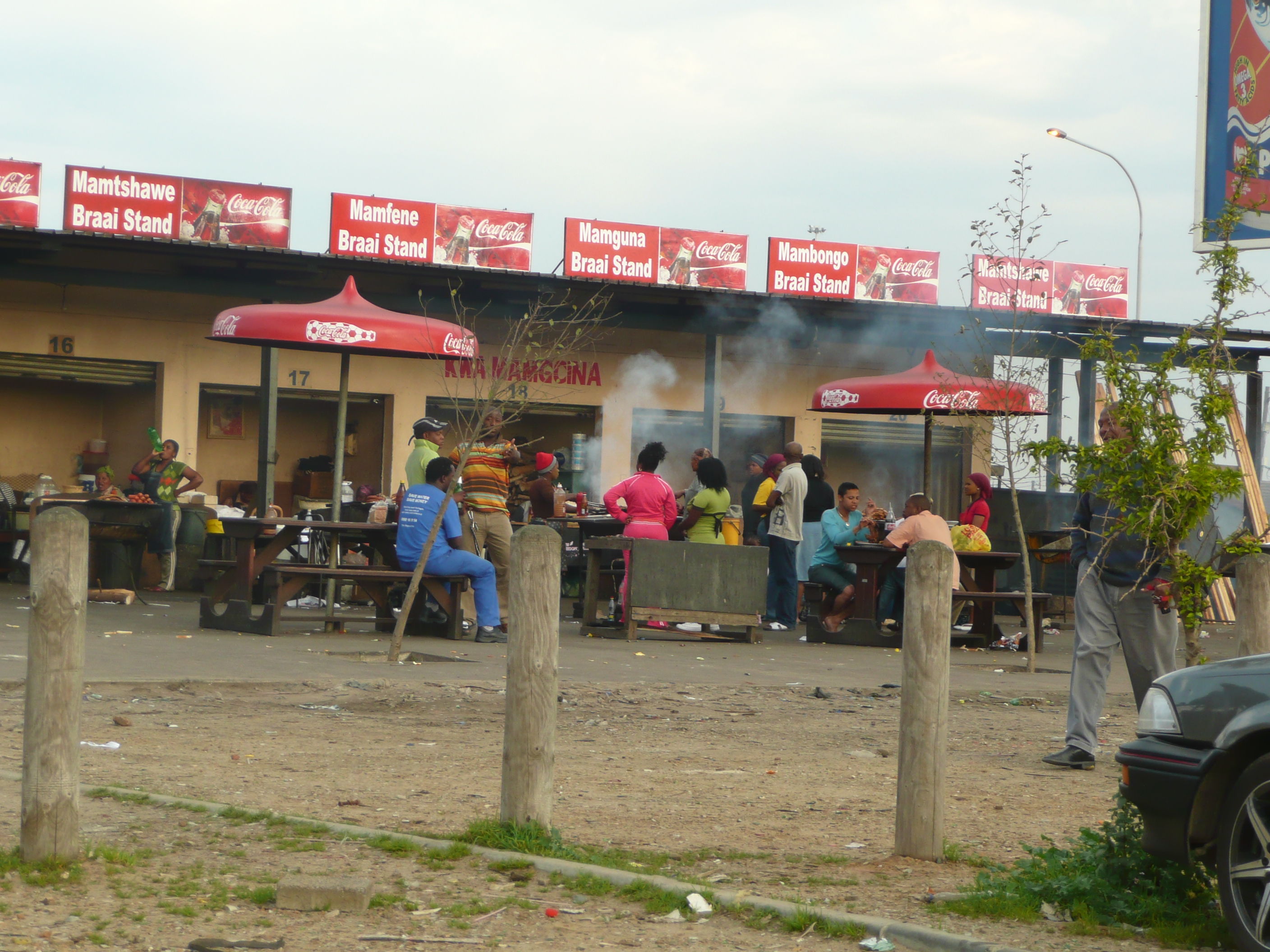
The Culture of Township Economies in Cape Town | Spaza Shops, Salons, Street Food & Informal Innovation
Cape Flats · Cape Town · Culture Guide The Culture of Township Economies in Cape Town Spaza shops, hair salons, shisa nyama stands, stokvels, and…
Read Article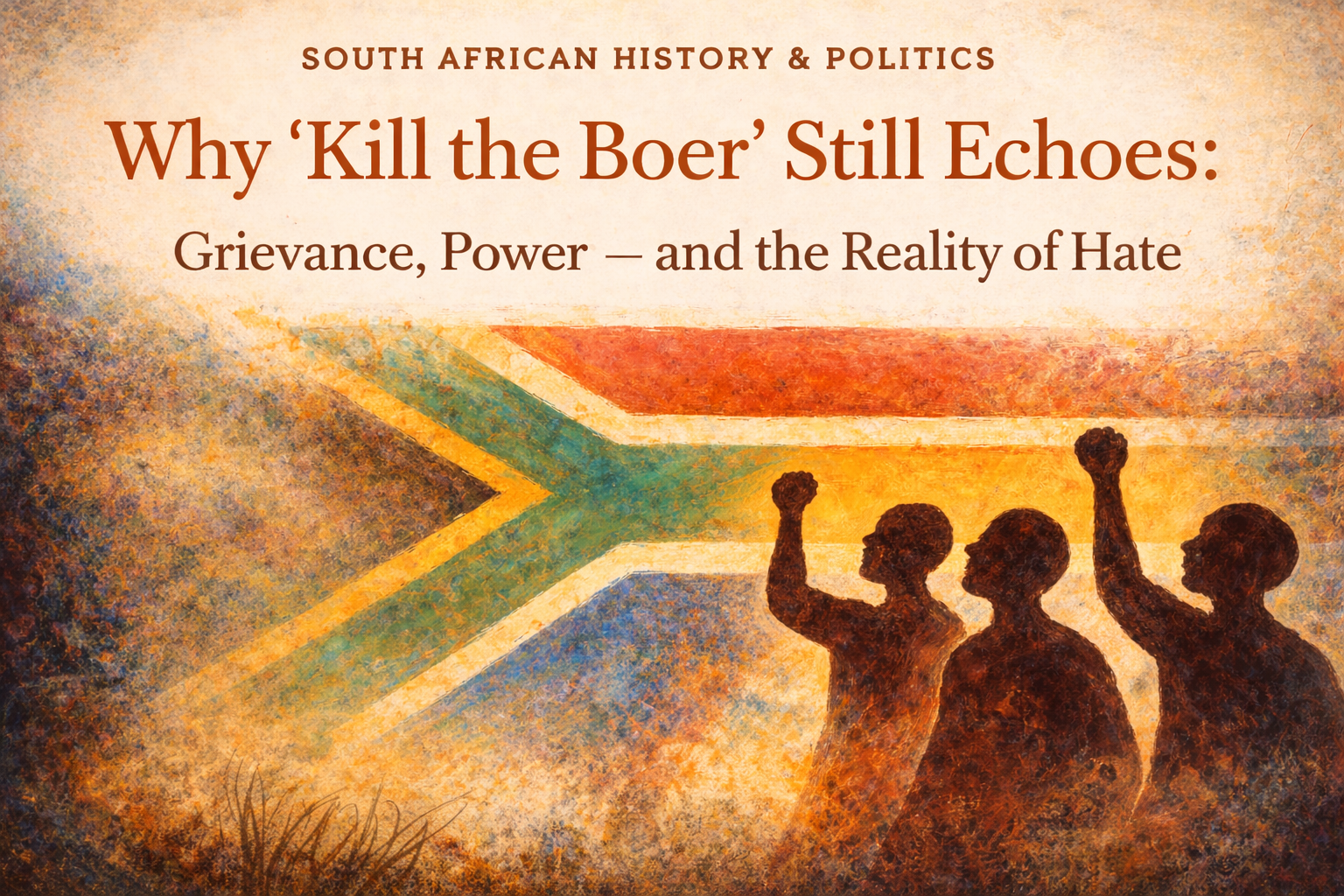
Why “Kill the Boer” Still Echoes: Grievance, Power - and the Reality of Hate | Analysis
Skip to article Home / Analysis / South African History & Politics Copy link Share Jump to Analysis · South African History & Politics Why…
Read Article
How to donate and engage in Cape Town in ways that actually support long-term, dignified solutions, instead of accidentally keeping people on the street, feeding unhealthy systems, or making things harder for local organisations.
How to Donate Responsibly in Cape Town (Without Doing Harm) Photo courtesy of Chris Parsons (CC BY-SA 4.0) via Wikimedia Commons. Responsible Travel • Giving…
Read Article