What and where are Cape Town’s Blue Flag Beaches (2025/26)?
November 6, 2025

Cape Town • Coastal Standards & Sea Days
Cape Town’s Blue Flag Beaches (2025/26)
Eight beaches around the metro carry the Blue Flag this season — a signal of strong water quality monitoring, lifeguards in season, environmental management and accessible facilities. What they are, how they differ, and where they sit on the map.
Quick take: The City of Cape Town holds 8 full-status Blue Flag beaches for the 2025/26 season: Bikini Beach (Gordon’s Bay), Camps Bay, Clifton 4th, Fish Hoek, Llandudno, Melkbosstrand, Muizenberg, and Silwerstroomstrand. Expect colder Atlantic water on the west and warmer swims on the False Bay side. Status is reviewed every season.
Season: 2025/26 CoCT beaches with flags: 8 Atlantic water: ~14–17 °C False Bay water: ~17–20 °C (summer) Blue Flag = 33 criteria
At-a-Glance Overview
| Beach | Coast | Signature | Typical Water | Good to know |
|---|---|---|---|---|
| Camps Bay | Atlantic Seaboard | Palm-lined crescent with mountain backdrop; restaurants on the strip. | Cool (often 14–17 °C) | Big summer crowds; lifeguarded in season; superb sunsets. |
| Clifton 4th | Atlantic Seaboard | Wind-sheltered pocket beach; calm water, boulder scenery. | Cool (14–17 °C) | Small coves; stairs access; popular on hot, windy days. |
| Llandudno | Atlantic Seaboard | Dramatic boulders; photogenic surf; no shops on the sand. | Cool (14–16 °C) | Limited parking; steep shorebreak some days; bring all you need. |
| Melkbosstrand | West Coast | Long beach & village feel; kites on windy afternoons. | Cool (≈15–16 °C) | Day-trip north of the city; sunsets over the Atlantic. |
| Silwerstroomstrand | West Coast (north) | Quieter resort-style cove with braai areas and lawns. | Cool (≈15–16 °C) | Remote; check facilities and hours if you’re planning a full day. |
| Muizenberg | False Bay | Surf schools & colourful huts; gentle beach break. | Milder (≈17–20 °C in summer) | Typically the warmest swims; lively beachfront. |
| Fish Hoek | False Bay | Family-friendly arc; long promenade & calm water. | Milder (≈17–19 °C in summer) | Great for length-of-bay swims when conditions are settled. |
| Bikini Beach | Gordon’s Bay (False Bay) | Harbour-sheltered pocket with mountain views. | Milder (≈18–20 °C in summer) | Compact & sheltered; student energy at times. |
Interactive Map
(Atlantik/Westküste vs. False Bay). Pin antippen → öffnet Google Maps.
The Eight Beaches
Atlantic Seaboard & West Coast
Camps Bay and Clifton 4th are the city’s most photographed sands — spectacular settings, cooler water, and summer crowds. Llandudno is raw and scenic with fewer services. Northwards, Melkbosstrand and Silwerstroomstrand bring wide horizons and a quieter, village-or-resort feel.
False Bay side
Muizenberg and Fish Hoek are classic swimming beaches with milder water and long arcs of sand; surf schools cluster at Surfers Corner. Bikini Beach, tucked against the Gordon’s Bay harbour wall, is the sheltered pocket with dramatic mountain views.
Crime & Personal Safety (2025/26)
Context. Cape Town deploys a large summer safety operation on seafronts (5,000+ personnel metro-wide; ~680 lifeguards across beaches and pools), but petty theft and opportunistic robbery can occur at popular sands and parking areas. Treat valuables conservatively; use lifeguarded zones and stay situationally aware.
| Area | What recent sources say | Practical takeaways |
|---|---|---|
| Camps Bay & Clifton (Sea Point precinct) | Community Improvement District tracking shows comparative reductions vs. pre-2024 in several crime categories after CID rollout; isolated high-profile incidents still make news (e.g., knife attack on runner near beachfront in 2025). SAPS publishes precinct-level quarterly stats city-wide. | Busy promenade/parking areas = pickpocket/car-break-in risk. Don’t leave bags/phones unattended on the sand; use visible, patrolled sections and well-lit exits after dark. |
| Muizenberg (Surfers Corner) | Winter 2025 saw break-ins/vandalism around the iconic beach huts; day-time beach itself is typically busy with surf schools. Long-running forum advice flags Sunrise Circle end as less desirable after dark. | Stay around lifeguarded Surfers Corner; avoid isolated sections at night; stash keys/phones in a zipped pouch or leave valuables with a surf school locker. |
| Fish Hoek | Shark Spotters operate here with regular alerts/exclusion barrier (occasionally not deployable due to sea conditions); drowning prevention is strong. | Swim between flags; heed Shark Spotters flags/sirens. The long, flat promenade offers good visibility; petty theft risk drops where there’s foot traffic. |
| Melkbosstrand & Silwerstroomstrand | Quieter, more spread-out settings; summer law-enforcement and lifeguard deployments extend across West Coast sites per City plans. | Arrive with what you need; park in busier, observed areas; keep valuables out of sight. |
| Bikini Beach (Gordon’s Bay) | Small, harbour-sheltered pocket with seasonal lifeguards; general Cape Town summer tips from tourism/NSRI apply. | Space is limited on hot days — keep possessions consolidated; use the nearest staffed access point. |
Crowd-sourced & traveller anecdotes (use with caution): Forums consistently note that central Muizenberg is lively and fine in daylight, with caution advised further from Surfers Corner; broader Cape Town threads reinforce “city-smart” habits (don’t flash phones/watches; use rideshare after late dinners). These align with official guidance.
Where to check live/official signals: City lifeguard duty schedules list staffed beaches/hours; SAPS releases precinct crime stats quarterly; NSRI posts drowning-prevention updates (Pink Rescue Buoys, new camera network).
In Motion (Videos)
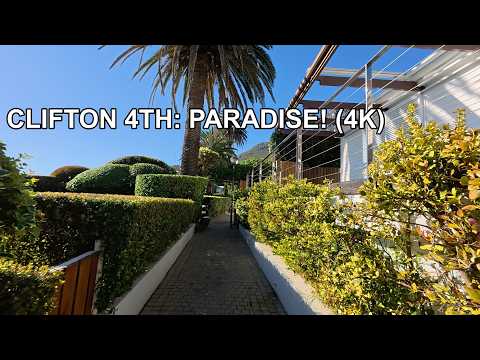
Clifton 4th — click to watch on YouTube (opens in a new tab).
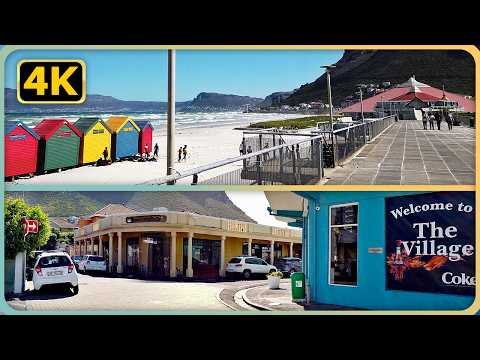
Muizenberg — click to watch on YouTube (opens in a new tab).
How Blue Flag Works
Why the name? The Blue Flag is an international eco-label created in Europe in the late 1980s to recognise beaches and marinas that meet rigorous environmental and safety standards. The programme is coordinated globally by the Foundation for Environmental Education (FEE); in South Africa it is administered by WESSA in partnership with coastal municipalities. A beach that earns the flag quite literally flies a blue flag during the official season to signal that independent checks have verified standards.
What’s assessed? Sites are audited against 33 criteria across four pillars: water quality (regular sampling and compliance with strict microbiological thresholds), environmental management (litter control, dune protection, sensitive-area signage), safety & services (seasonal lifeguards, emergency equipment, drinking water, toilets), and environmental education (information boards and programmes such as dune walks or school activities). The label is seasonal, not permanent: if standards slip, status can be suspended or withdrawn.
Water quality in practice. Blue Flag requires frequent testing at designated sampling points, typically ramping up in the bathing season when usage is highest. Results are posted on-site and made available online; the benefit for beachgoers is a transparent record rather than a one-off certificate. Remember that heavy rain and unusual wind or swell events can temporarily affect readings and surf conditions — always follow local signage.
What Blue Flag does not mean. It is not a promise of warm water or perfect surf, nor a guarantee that every section of a long beach has the exact same conditions. It is a signal that the site as managed meets high standards, and that the managers are accountable to keep them that way throughout the season.
Notes on Water Quality & Seasonality
- Season 2025/26: The City of Cape Town’s Blue Flag beaches are: Bikini Beach, Camps Bay, Clifton 4th, Fish Hoek, Llandudno, Melkbosstrand, Muizenberg and Silwerstroomstrand. Status is reviewed annually.
- Check current conditions: Weekly coastal water-quality reports and on-site noticeboards provide the latest sampling results; lifeguard duty schedules are published for the season.
- Safety infrastructure: NSRI’s Pink Rescue Buoys and new beach-camera network augment lifeguards and signage at busy sites.
When to Go
Summer (Dec–Mar) is peak beach season: long days, dry weather and the famous south-easterly wind. On the Atlantic Seaboard and West Coast (Camps Bay, Clifton 4th, Llandudno, Melkbosstrand, Silwerstroomstrand) expect cooler water but glowing sunsets and, on windier afternoons, a surface chop that’s part of the region’s character. Mornings are typically calmer; if you want glassier conditions and easier parking, arrive before mid-morning. False Bay (Muizenberg, Fish Hoek, Bikini Beach) warms up, with gentler surf that suits casual swimmers and learners.
Autumn (Apr–May) often delivers locals’ favourite beach days: fewer crowds, stable high-pressure systems, lighter winds and warm water retained on the False Bay side. Photography is superb with lower sun angles. Winter (Jun–Aug) brings Atlantic cold fronts and swell; storms can be dramatic, but interspersed between them are crystal-clear days with mountain views that feel like they’ve been polished. Spring (Sep–Nov) is shoulder season; water is still cool, winds begin to return, and wildflowers north of the city make the West Coast drives extra rewarding.
Time of day matters. For swims, late morning to mid-afternoon on False Bay is typically warmest; for the Atlantic side, morning or the golden last hour before sunset can be ideal. For a quieter experience at headline spots like Camps Bay or Clifton 4th, go before 10:00 or plan a weekday sunset. Night-time beach visits are best kept short and well-lit.
Events & lifeguards. Blue Flag sites operate lifeguard services in season; the busiest beaches also host surf lifesaving activities and occasional events. When flags and ropes are out, always swim between the red-and-yellow flags; outside those zones, currents, boards and boats may present hazards.
Safest & Most Accessible Picks
“Safe” is context-dependent, but if your priority is predictable swimming with services close by, False Bay is the usual first call. Fish Hoek offers a long, gently shelving bay with a flat promenade, benches and family facilities; conditions are often the most forgiving for casual swimmers. Muizenberg is the city’s classic learn-to-surf beach: the shore-break is typically manageable, lifeguards are present in season, and there’s an active beachfront. Bikini Beach is a sheltered pocket against the harbour wall — compact, scenic and often milder than the Atlantic, though space is limited on busy days.
On the Atlantic Seaboard, the water is cooler and afternoon winds more common, but two beaches stand out. Clifton 4th sits in a wind-sheltered cove — excellent for sunbathing and calmer water when the south-easter is pumping elsewhere; note that access is via stairs, so it’s less suitable for wheelchairs and prams. Camps Bay places cafés, public toilets and lifeguards close at hand, with zebra-crossings from the strip — it’s vibrant and well-served, though parking fills quickly.
Further north, Melkbosstrand combines a village feel with ample space and a level promenade; it’s great for long, open walks and sunset views. Silwerstroomstrand is quieter and more remote, with lawns and braai areas; it’s a solid choice for picnics when staffed and open, but do check hours and conditions before committing to a day out. Llandudno is one of the most beautiful beaches in the country yet has limited parking, no shops on the sand and a steeper shore-break on some days — wonderful for scenery, less ideal for toddlers or anyone needing easy access.
Simple safety habits go far: swim where lifeguards can see you; keep valuables out of sight and off the sand; watch for rip-current signs; and in the Cape’s cold water, wear a layer after your swim to avoid getting chilled. On windy days, expect blowing sand — a light jacket and sunglasses make the difference between enduring and enjoying.
FAQ
Are there lifeguards? Blue Flag beaches provide lifeguard services during the official season; hours vary by site and day. Swim between the flags.
Is Blue Flag forever? No. It’s renewed each season and depends on maintaining all criteria throughout.
Which side is warmer? Typically False Bay (Muizenberg, Fish Hoek, Bikini Beach) feels milder than the Atlantic and West Coast beaches.
Notes & sources: Festive season safety deployments and lifeguard numbers (City / media), precinct crime reporting (SAPS), community incidents and user experiences (local news/forums), drowning prevention (NSRI), Shark Spotters operations.
More in Ocean Phenomena & Safety
You May Also Like

Where are Cape Town's Safest Tidal Pools & Swimming Spots?
🌊 Safe Swim Guide 2026 Cape Town Tidal Pools & Safer Swimming Cape Town’s coastline is dramatic, powerful, and (when you plan it right) unbelievably…
Read Article
What are Best & Safest Tidal Pools in and around Cape Town (with map)?
Cape Town Tidal Pools – Best & Safest Ocean Swimming • Family-Friendly • Practical Safety The best and safest tidal pools in and around Cape…
Read Article
Bloubergstrand & Big Bay: Wind, Views & Kitesurfing (2025 Update)
. For casual sunset magic: Blue Peter& Kitesurfing (2025 Edition) --> lawn.ing (2025 Edition) -->
Read Article
Beaches & Local Know-How : Clifton 1 - 4 Explained: Which Beach Is For You?
Cape Town | Beaches & Planning Clifton 1–4 Explained: Which Beach Is For You? Four coves, four moods. From sporty First to family-friendly Fourth, here's…
Read Article
Magic Blue Glow - Bioluminescence causes Neon Nights in False Bay & Cape Town (2025)
Neon Nights: Cape Town’s Magic Blue Glow (2025) Updated 15 October 2025 — Cape Town, South Africa (UTC+02:00) TL;DR: Those electric-blue waves around Muizenberg, St…
Read Article