Who are Afrikaners and what is Afrikaans culture in South Africa
June 10, 2025

Afrikaans Culture
A traveler's introduction to the Afrikaners, their language, traditions, and vibrant customs — from braai and biltong to art, music, and the celebration of 100 years as an official language.
Origins of the Afrikaners & Afrikaans Language
Afrikaners are a South African ethnic group descended mainly from Dutch settlers who arrived at the Cape of Good Hope in 1652. These early colonists — joined by French Huguenot refugees and German immigrants — formed a new African-born community.
Their Dutch dialect evolved incorporating words from Malay, Khoisan, Portuguese, and other languages. This creole-infused dialect became Afrikaans. The word "Boer" (pronounced "boor") literally means "farmer."
Dutch Arrival at the Cape
Jan van Riebeeck establishes a refreshment station for the Dutch East India Company.
The Great Trek
Thousands of Afrikaners journey inland seeking independence from British rule.
Anglo-Boer Wars
Brutal conflicts between British forces and Boer republics.
Afrikaans Gains Official Status
Afrikaans replaces Dutch as an official language of South Africa.
Apartheid Era & Democracy
Democracy arrives in 1994, beginning a new chapter of integration.
Afrikaans Language Today
Afrikaans is now one of 12 official languages. This includes not only white Afrikaners but also millions of Cape Coloured people — in fact, the majority of Afrikaans speakers are not white.
Understanding Key Afrikaans Terms
Here's a glossary of essential terms you'll encounter throughout this guide and during your travels.
Cultural & Social Terms
From Dutch "braden" (to roast). Far more than a barbecue — it's a social ritual centered around grilling meat over wood or charcoal. The cornerstone of South African culture.
The most versatile word in South African slang. Literally "tasty" but means nice, great, fantastic. "Lekker braai!" = "Great barbecue!"
A warm, cozy, sociable atmosphere — the feeling of being together with loved ones. Similar to Danish "hygge."
Grandfather and grandmother. Use "Oom" (uncle) and "Tannie" (auntie) for non-relatives to show respect for elders.
Food & Drink Terms
From "bil" (buttock) + "tong" (strip). Air-dried, cured meat with vinegar, salt, and coriander. Unlike jerky, it's never smoked and stays tender.
"Boer" (farmer) + "wors" (sausage). A thick, coiled beef sausage spiced with coriander, nutmeg, and cloves. By law, must contain at least 90% meat.
"Farmer's food" — hearty, home-style Afrikaner cuisine reflecting European roots and African influences.
Slang for an alcoholic drink. "Bring 'n dop en 'n tjop" = bring a drink and a chop (braai etiquette!).
Time & Expressions
Very soon, in a moment. Confusingly, this is more urgent than "just now"!
Later, eventually — could be minutes or hours! If timing matters, ask for clarification.
"A farmer makes a plan" — the quintessential Afrikaner saying celebrating resourcefulness and self-reliance.
Boerekos: The Flavors of Afrikaans Culture
Afrikaner cuisine is called "Boerekos" (farmer's food) — hearty, home-style cooking reflecting both European roots and African influences.
Biltong
Air-dried, spiced meat cured with vinegar, salt, and coriander. Unlike jerky, it's never smoked. South Africa's favorite high-protein snack.
Boerewors
"Farmer's sausage" — thick coil of coarsely ground beef with coriander, nutmeg, and cloves. Must contain 90% meat minimum by law.
Bobotie
Cape Malay-influenced baked curry casserole: spiced ground meat with raisins, almonds, and custardy egg topping. South Africa's unofficial national dish.
Potjiekos
"Small-pot food" — slow-cooked stew in a three-legged cast-iron pot over coals. Never stir — that's the golden rule!
Melktert
"Milk tart" — sweet custard tart with delicate pastry, dusted with cinnamon. Every ouma has her secret recipe! South Africa has National Melktert Day.
Koeksisters
Plaited dough pastries, deep-fried and soaked in ice-cold syrup until glossy. Dating back to Dutch settlers in 1652!
The Braai: More Than a Barbecue
The braai is practically a way of life — a social ritual that brings people together. The key difference from a barbecue? A braai uses wood or charcoal (never gas!) and is as much about the hours spent socializing as it is about the food.
Braai etiquette: Ask what to bring — "bring 'n dop en 'n tjop" (bring a drink and a chop). Never rush the braaier or criticize their fire technique!
Geselligheid: The Art of Celebration
Afrikaans culture celebrates in the spirit of "geselligheid" — warm, cozy, sociable togetherness.
KKNK (Klein Karoo Nasionale Kunstefees)
South Africa's largest Afrikaans arts festival, held in Oudtshoorn. 2026 marks 30 years! Dates: 28 March – 4 April 2026.
Afrikaans is Groot
A mega-concert series featuring top Afrikaans pop and rock artists. Thousands fill stadiums singing along to beloved hits.
Heritage Day / Braai Day
September 24 — popularly called Braai Day. People of all backgrounds celebrate by grilling together.
Kultura Festival
Festival in Durbanville celebrating Afrikaans' centenary with music, theater, and wine.
KKNK Festival – Oudtshoorn
Klein Karoo Nasionale Kunstefees venue
Sokkie Dancing
At weddings and parties, you'll encounter sokkie — a two-step partner dance to Afrikaans pop. The name comes from "sokkie-sokkie" (socks) because dancers shuffle their feet. Don't be shy to join in!
Afrikaans in Cape Town & the Western Cape
The Western Cape is the cradle of Afrikaner history. About half the province's population speaks Afrikaans as their mother tongue.
Afrikaanse Taalmonument
Language Monument celebrating Afrikaans heritage
Key Sites to Visit
Taalmonument, Paarl
The striking Language Monument, opened in 1975, commemorates Afrikaans. Panoramic Winelands views reward the visit.
Stellenbosch Wine Route
South Africa's oldest wine route (1971) with over 200 wineries. Many estates run by Afrikaner families for generations.
Stellenbosch Wine Route
South Africa's oldest and most celebrated wine region
Engaging with Afrikaans Culture
Here's how to engage respectfully and enjoyably with Afrikaans culture:
Cultural Norms & Etiquette
Greeting Etiquette
Firm handshake with eye contact. Use "Oom" (Uncle) and "Tannie" (Auntie) plus first name for elders — it shows respect.
Directness
Plain-spoken honesty is valued — don't take bluntness as rudeness. Gentle teasing signals friendliness!
"Now-now" vs "Just now"
Now-now = very soon. Just now = later, eventually (could be hours!). If timing matters, ask "What time exactly?"
Hospitality
Accept coffee/tea when offered — refusing can seem rude. Compliment the food, host's home, or garden.
Braai Protocol
Ask what to bring. Never rush or critique the braaier. Compliment the meat generously!
Tipping
10–15% in restaurants. Small tips (R5–20) for petrol attendants, car guards, and packers are customary.
Useful Afrikaans Phrases
Hallo / Goeie môre
huh-LOH / HOO-yuh MORE-uh — Hello / Good morning.
Baie dankie
BAY-uh DUNK-ee — Thank you very much.
Lekker!
LEK-er — Nice / great / tasty / awesome. The Swiss Army knife of South African slang.
Totsiens
TOHT-seens — Goodbye / Until we meet again.
The Bottom Line
Encountering Afrikaners and Afrikaans culture adds rich human context to any South African trip. From a distinctive language born of three continents to hearty Boerekos, from strong community bonds to evolving identities, you'll find warmth, humor, resilience — and lots of "lekker" hospitality.
Engage with openness, attend a festival, learn a few phrases, accept that braai invitation, and you'll leave with deeper understanding, new friends, and maybe a few recipes to recreate at home.
More in Culture & Identity
- Navigating Cultural and Racial Sensitivity as a Foreigner in Cape Town, South Africa
- PART II: The South African Miracle: Lessons in Forgiveness, Unity, and Nation-Building
- PART I: The South African Miracle: Lessons in Forgiveness, Unity, and Nation-Building
- Are White People Oppressed in South Africa ?
- Racism Part 3: A Guide for Foreigners Navigating South Africa’s Racial Dynamics
- Racism Part 2: Recent Incidents and Current Racial Tensions
You May Also Like

Abdullah Ibrahim in 2026: A Living Legend Returns to Cape Town International Jazz Festival CTIJF
Editorial feature · capetowndata.com · March 2026 Photo courtesy of Patrick Scales, Wikimedia Commons, licensed under CC BY 3.0 CTIJF 2026 · Cape Jazz ·…
Read Article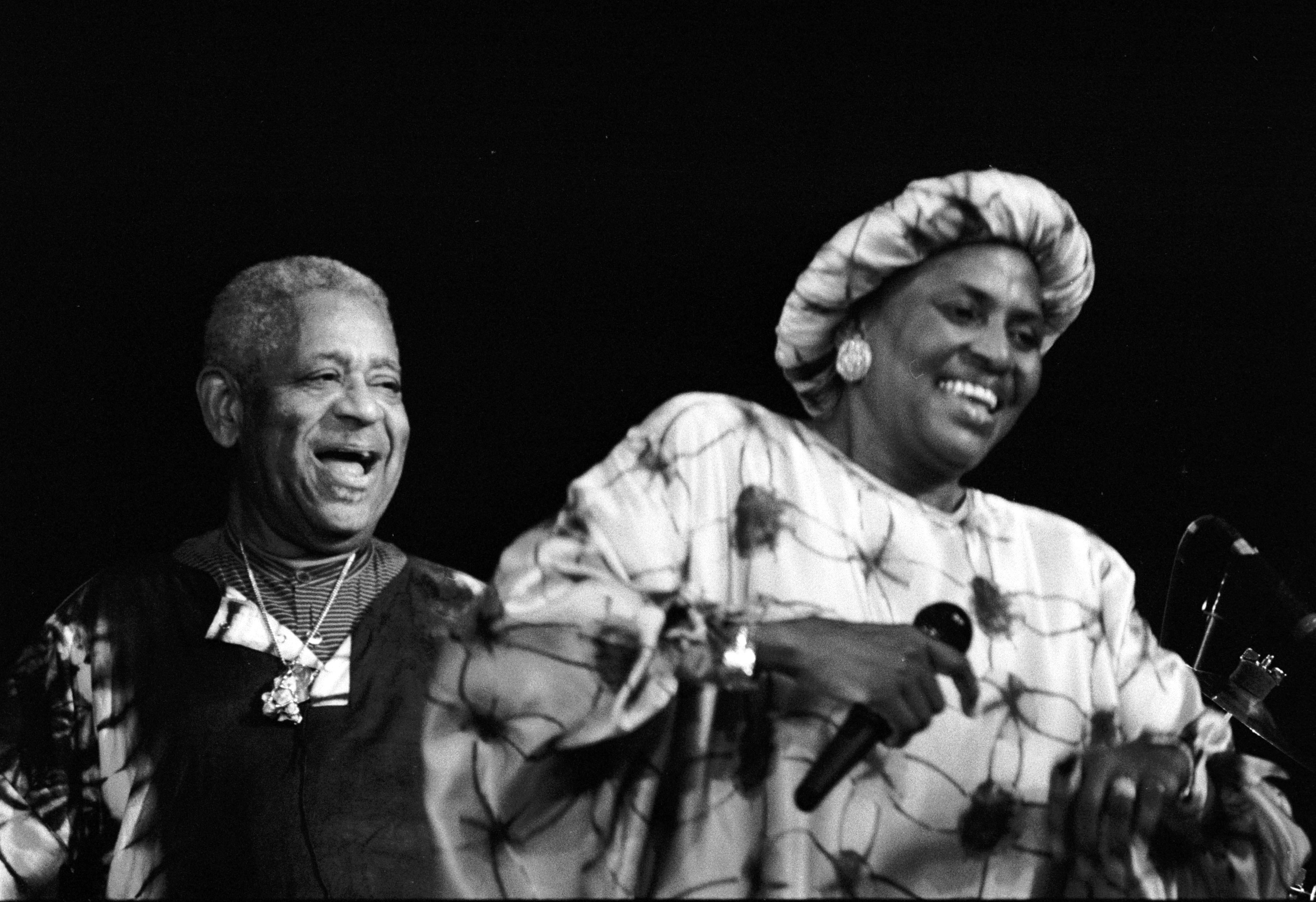
Miriam Makeba: the life, the voice, the fight and the songs that carried a country
Photo courtesy of: Roland Godefroy (CC BY 3.0), via Wikimedia Commons South Africa • Music • Resistance Miriam Makeba: the life, the voice, the fight…
Read Article
What is a good gift for a South African sports fan? 10 ideas for this Christmas
Hero image credit: Matti Blume, CC BY-SA 4.0, via Wikimedia Commons South Africa • Sport • Christmas gifts What is a good gift for a…
Read Article
The Cape Doctor: Why is Cape Town so windy?
Photo courtesy of: KodachromeFan, CC BY-SA 3.0 , via Wikimedia Commons. Cape Town • Weather • Wind & Seasons The Cape Doctor & Cape Town…
Read Article
Navigating Cultural and Racial Sensitivity as a Foreigner in Cape Town, South Africa
Cape Town • Culture & Context Navigating Cultural and Racial Sensitivity as a Foreigner in Cape Town, South Africa Cape Town is dazzling—and complicated. The…
Read Article