How Dangerous Is Table Mountain? A 45-Year Analysis of 3 300+ Accidents (1980 – 2025)
May 25, 2025

Risk & Recreation
How Dangerous Is Table Mountain?
What 45 Years of Rescues Reveal.
More than two million visitors a year flock to the massif above Cape Town. Most leave with photographs and sore legs. A small but persistent share call for help. A long-running rescue database shows where, when and why.
Where Trouble Concentrates
Incidents cluster where foot traffic is heaviest. That does not make these routes "technical" in a mountaineering sense; it makes them busy, exposed or easily underestimated. Two of the easiest approaches — Lion's Head and Platteklip Gorge — account for a disproportionate share of calls precisely because they attract the most casual hikers, especially in heat and at sunset.
| Rank | Location | Danger Score | Why It Draws Rescues |
|---|---|---|---|
| 1 | Lion's Head | 1,530 | Narrow shale paths, photo ledges, heavy sunset traffic |
| 2 | Platteklip Gorge | 1,380 | Heat stress on exposed stone steps; crowding |
| 3 | Skeleton Gorge | 910 | Slippery ladders and slabs after rain |
| 4 | India Venster | 780 | Exposed scrambling; route-finding errors |
| 5 | Africa Ledge | 620 | Technical ground; rockfall potential |
| 6 | Second Waterfall Ravine | 590 | Remote, slow to evacuate |
| 7 | Blind Gully | 470 | Vegetation obscures drop-offs |
| 8 | Kasteelspoort | 440 | Afternoon winds; mist disorientation |
| 9 | Devil's Peak Saddle | 390 | Knife-edge traverses, gusts |
| 10 | Woody Ravine | 320 | Winter mud; summer rockfall |
Danger Score is a composite of incident frequency weighted by severity category in the SAMA log.
Who Gets Hurt
The database's demographic detail is limited, but repeated patterns emerge across four decades of records. Most incidents involve visitors rather than regular local hikers. Solo walkers appear disproportionately in evening and winter call-outs, while group incidents tend to involve route-finding confusion on less-marked paths.
What the Data Reveals About Behaviour
Four themes run consistently through the records, each with a clear practical takeaway.
Heat & Hydration
Platteklip's many "minor" calls are overwhelmingly linked to fatigue and dehydration on exposed stone steps, particularly from mid-morning onward in summer.
Edges & Exposure
Lion's Head incidents cluster near popular photo spots at dusk, where crowd bottlenecks form on narrow ledges and fading light reduces depth perception.
Rain Changes the Route
Skeleton Gorge has a split personality: dry, it's approachable; wet, fatalities per call-out exceed six percent. Wooden ladders and stone slabs grow treacherously slick.
Remoteness Matters
Second Waterfall Ravine and similar gullies show higher severity fractions simply because evacuations take far longer. A sprain becomes an ordeal.

A Long View: How Risk Has Shifted
The incident curve is not steady. It reflects infrastructure, tourism trends and technology.
The cable car's resurgence widened the visitor base. Platteklip, the direct hiking route, grew markedly busier and heat-related calls rose with it.
Social media amplified sunset walks on Lion's Head. Evening crowding coincided with more exposure-related incidents as hikers lingered for golden-hour photographs.
Pandemic restrictions sharply reduced activity across the massif, creating a visible dip in the data. Volumes then rebounded quickly with the return of international tourism.
Targeted interventions — ranger posts, trailhead weather boards, fixed winch anchors — appear in the data as modest but consistent declines in after-dark calls and extraction times.
Weather, Light and the Clock
Most rescues happen when conditions magnify ordinary mistakes. Three windows carry outsized risk.
Summer, midday: Heat stress accumulates quickly on exposed stone like Platteklip. Temperatures on the rock face regularly exceed ambient readings by ten degrees or more. Early starts reduce both risk and congestion.
Winter, after rain: Slabs and wooden ladders on Skeleton Gorge grow slick. A popular forest walk turns technical. The gorge can remain hazardous for a day or more after the last rainfall.
Late afternoon (roughly 3–6 p.m.): The common window for misjudged turnaround times. Cloud builds on the plateau, light fades, and the "tablecloth" can arrive in minutes, shrinking visibility and disorienting hikers on the flat summit.
How a Rescue Unfolds
A sprained ankle on a traverse above Tafelberg Road can be an inconvenience or a chain of delays. A typical response begins with a phone call, a GPS fix and a team on foot. Helicopters, when wind and visibility permit, cut extraction times dramatically; when they do not, a carry-out over rock steps can take hours. Response profiles differ strikingly by location.
Lion's Head
Platteklip Gorge
Skeleton Gorge
What Has Helped — and What Might
Small, targeted interventions appear to pay outsized dividends. Signboards that display live weather and sunset times at trailheads have been followed by fewer after-dark calls on Platteklip. A ranger presence at popular sunset viewpoints on Lion's Head has coincided with a decline in exposure-related incidents. On technical ledges, fixed winch anchors installed in 2023 shortened evacuations by roughly twenty minutes. Temporary ladder closures on Skeleton Gorge during and after heavy rain remain under discussion, but the data supports the case.
If You Go: A Practical Checklist
-
✓
Start early. It reduces heat, crowding and the odds of descending in the dark. Aim to be on the trail by 7 a.m. in summer.
-
✓
Carry water. Two litres per person in summer conditions is a sensible floor. There are no reliable water sources on most routes.
-
✓
Wear grip. Trail shoes with lugs matter on wet rock and dusted sandstone. Running shoes and sandals feature prominently in incident reports.
-
✓
Pack a headlamp. Phone torches drain batteries and offer poor peripheral light. A headlamp buys time and options.
-
✓
Check the cloud. The "tablecloth" can arrive in minutes. If it does, visibility shrinks and the plateau disorients even experienced hikers.
-
✓
Tell someone your plan. Share your intended route and expected return time. If you hike solo, this is non-negotiable.
Explore our dedicated Hiking Hub with route ideas, gear checklists, safety guidance and local tips gathered on the ground in Cape Town.
Explore the Hiking Hub →What the Mountain Teaches
For a city park, Table Mountain demands uncommon preparation. That is part of its draw. The path from Tafelberg Road to the plateau is shared by tourists in running shoes and stretcher teams on summer evenings. The difference is rarely luck — it is timing, water and judgment. Of the 3,336 calls logged across four decades, the vast majority ended with nothing worse than a sore ego and a lesson in hydration. With a little forethought, the view over the Atlantic toward the Cape Peninsula is what stays.
Updated: 19 October 2025
More in Safety Playbooks & Tools
You May Also Like
Is It Safe to Stay in Bloubergstrand, Cape Town? 2026 Safety Evaluation
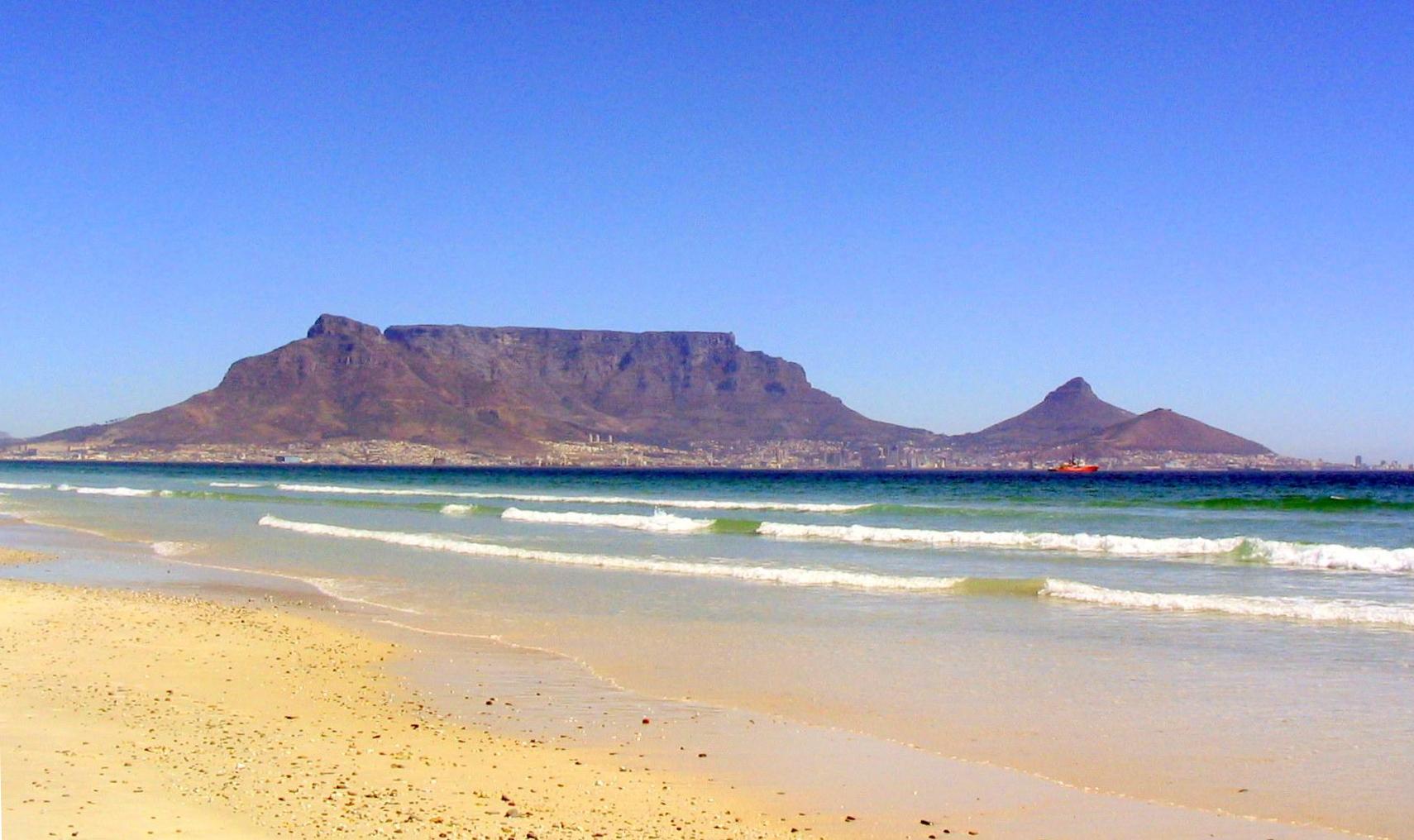
Photo courtesy of Wikimedia Commons contributor, licensed under CC BY 3.0 Is It Safe to Stay in Bloubergstrand, Cape Town? | 2025–2026 Safety Guide Western…
Read Article
Is It Safe to Live in Walmer Estate, Cape Town? 2025–2026 Safety Guide
Photo courtesy of Axxter99, Wikimedia Commons, licensed under CC BY-SA 4.0 Is It Safe to Live in Walmer Estate, Cape Town? | 2025–2026 Safety Guide…
Read Article
Is Sea Point Safe for Tourists? A Data-Driven Analysis (2024–2026)
Is Sea Point Safe for Tourists? A Data-Driven Analysis (2025–2026) | Cape Town Data ◆ Data Analysis — February 2026 Is Sea Point Safe for…
Read Article
Is It Safe to Live in Rondebosch, Cape Town?
Photo courtesy of Zaian, Wikimedia Commons, licensed under CC BY-SA 3.0 Is It Safe to Live in Rondebosch, Cape Town? | 2025–2026 Safety Guide Southern…
Read Article
Is It Safe to Live in Oranjezicht, Cape Town?
Photo courtesy of Hansueli Krapf, Wikimedia Commons, licensed under CC BY-SA 3.0 Is It Safe to Live in Oranjezicht, Cape Town? | 2025–2026 Safety Guide…
Read Article